Kyoto sightseeing guide: temples, shrines and hidden highlights
Where to stay in Kyoto for getting around →
76 temples, shrines, streets, museums and craft workshops in Kyoto, each with its history, what stood there long ago, hidden highlights, hours, admission and access.
English audio guides (first track free)
- 🎧 Kiyomizu-dera: A Walk Through Time with Pochika and Pochikichi
- 🎧 Fushimi Inari Taisha: Through the Gates of Time with Pochika and Pochikichi
- 🎧 Kinkaku-ji: The Golden Pavilion and Its Hidden Stories
- 🎧 Arashiyama: Bamboo, Poetry, and a Bridge Across Time
- 🎧 Ginkaku-ji: The Silver Pavilion That Never Shone Silver — with Pochika and Pochikichi
- 🎧 Nijo Castle: The Palace That Heard History Change — with Pochika and Pochikichi
- 🎧 Sanjusangendo: A Thousand Faces of Compassion with Pochika and Pochikichi
- 🎧 Nanzen-ji: Zen, Tigers and a Secret Waterway with Pochika and Pochikichi
- 🎧 Tofuku-ji: Bridges, Fiery Maples and Zen Gardens with Pochika and Pochikichi
- 🎧 Eikan-do (Zenrin-ji): The Buddha Who Looked Back — Autumn Colors and Kyoto's Hidden Stories with Pochika and Pochikichi
- 🎧 To-ji: Kyoto's Tower of Time and Living Mandala with Pochika and Pochikichi
- 🎧 Byodo-in: The Palace of Paradise on a 10-Yen Coin with Pochika and Pochikichi
- 🎧 Kitano Tenmangu: Sacred Cows, Flying Plum Trees, and Kyoto's God of Learning with Pochika and Pochikichi
- 🎧 Tenryu-ji: The Dragon, the Zen Garden, and the Mountains with Pochika and Pochikichi
- 🎧 Ryoan-ji: Fifteen Stones, One Hidden Truth — with Pochika and Pochikichi
- 🎧 Daigo-ji: A Thousand Years of Faith, Cherry Blossoms and Hidden Gardens with Pochika and Pochikichi
- 🎧 Heian Jingu: A Palace of Red Gates and Hidden Gardens with Pochika and Pochikichi
- 🎧 Kyoto National Museum: A Thousand Years of Treasures with Pochika and Pochikichi
- 🎧 Yasaka Shrine: The Heartbeat of Gion with Pochika and Pochikichi
- 🎧 Chion-in: Giant Gates, Singing Floors and Seven Mysteries with Pochika and Pochikichi
Temples (36)
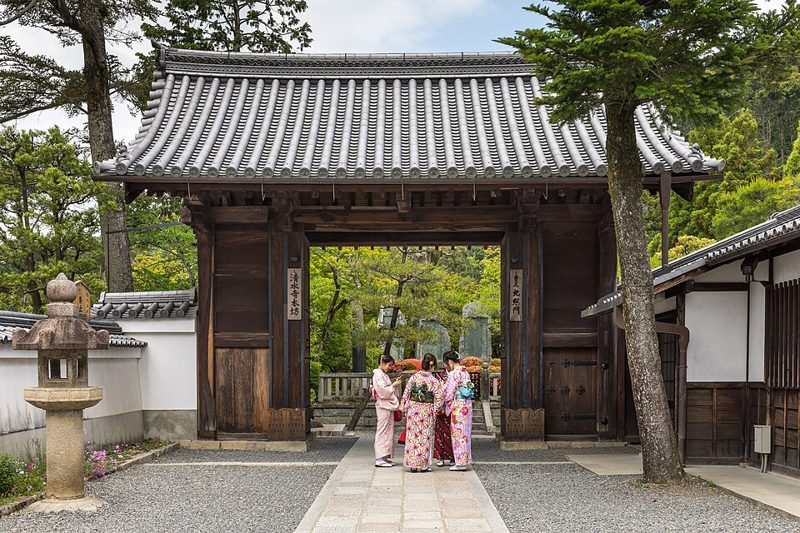 Kiyomizu-dera TempleHigashiyama / Gion · Kiyomizu-gojoBefore Kiyomizu-dera had its famous wooden stage, it had a waterfall. In 778, a monk named Kenshin discovered
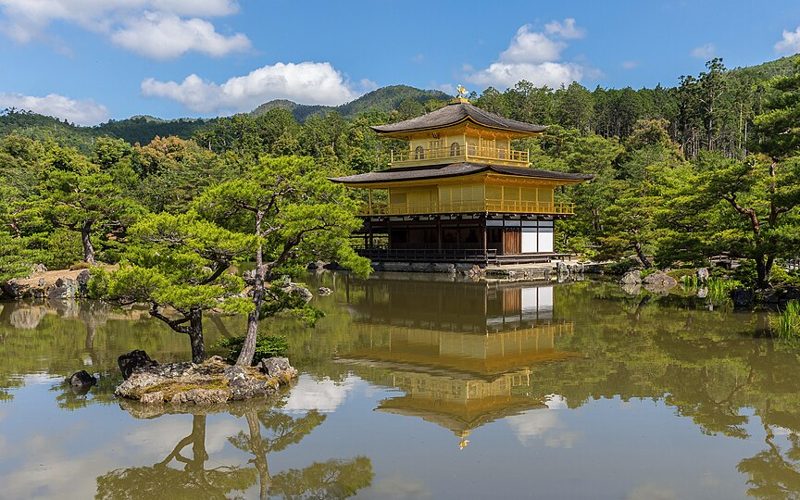 Rokuon-ji Temple (Kinkaku-ji, the Golden Pavilion)Rakuhoku · Kitano-hakubaichoThe Golden Pavilion was originally part of a shogun's private estate, serving as a stage for politics and dipl
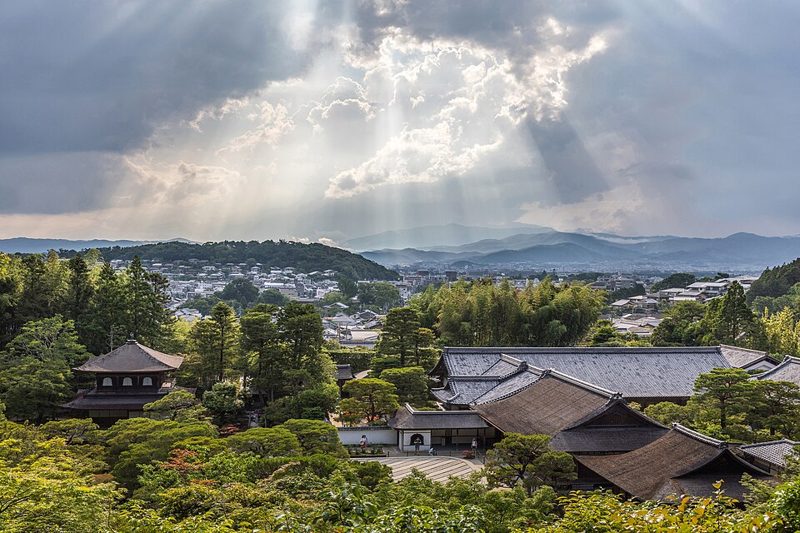 Jisho-ji Temple (Ginkaku-ji, the Silver Pavilion)Okazaki / Sakyo · DemachiyanagiThe Silver Pavilion is not covered in silver. Yet Ginkaku-ji holds an extraordinary place in Japanese cultural
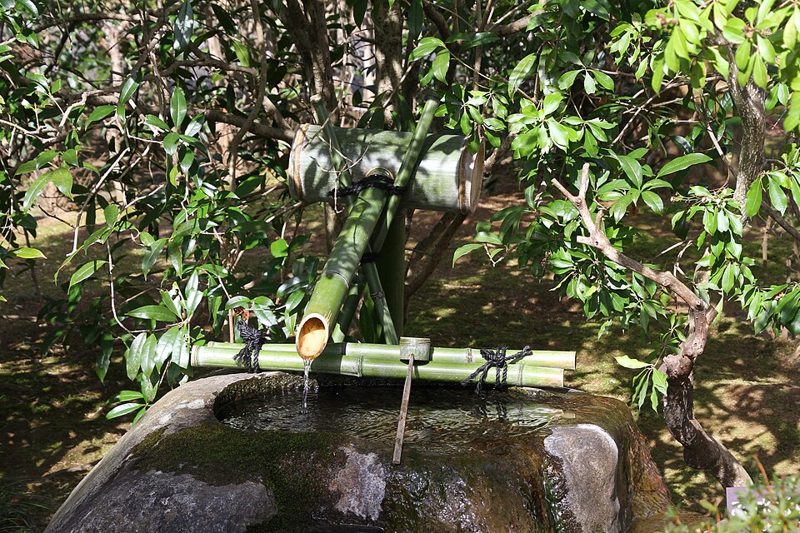 Ryoan-ji TempleRakuhoku · RyoanjiFifteen rocks rest on a field of white gravel. What they represent remains an open question. Neither the creat
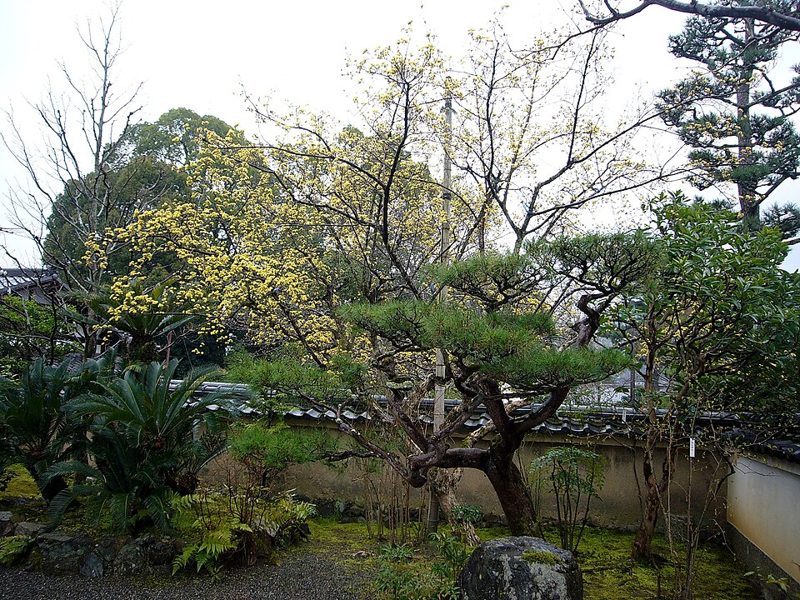 Tenryu-ji TempleArashiyama / Sagano · ArashiyamaTenryu-ji was founded in 1339 by Ashikaga Takauji to honor the memory of Emperor Go-Daigo, with whom he had pr
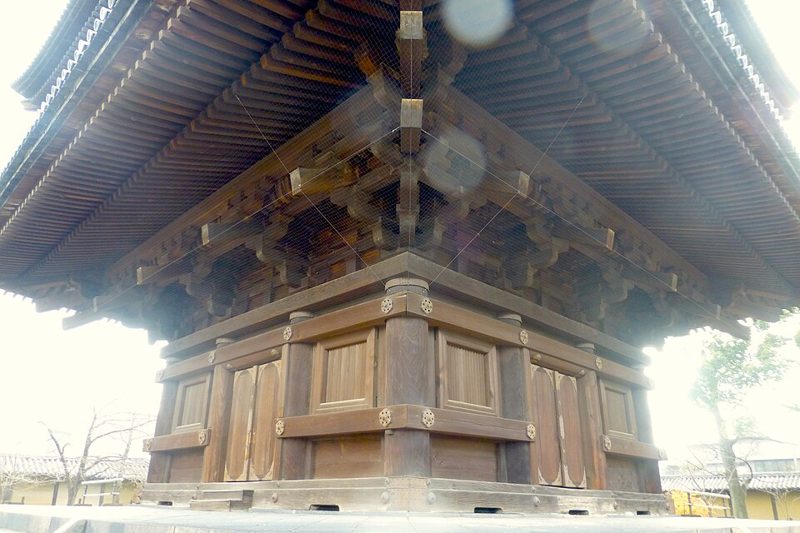 To-ji Temple (Kyo-o-gokoku-ji)Kyoto Station / To-ji · TojiThe five-story pagoda near Kyoto Station rises approximately 55 meters, making it Japan's tallest wooden five-
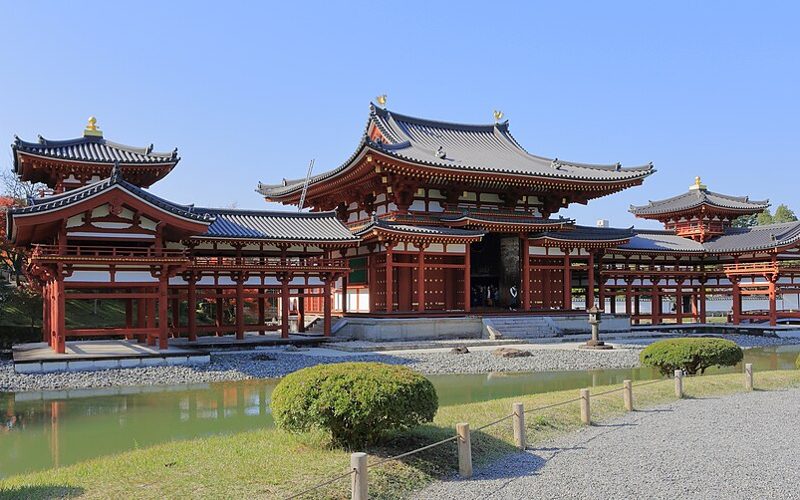 Byodo-in TempleFushimi / Uji · UjiThe Phoenix Hall, built in 1053, is a rare survivor of Japan's Heian-period court culture, standing for nearly
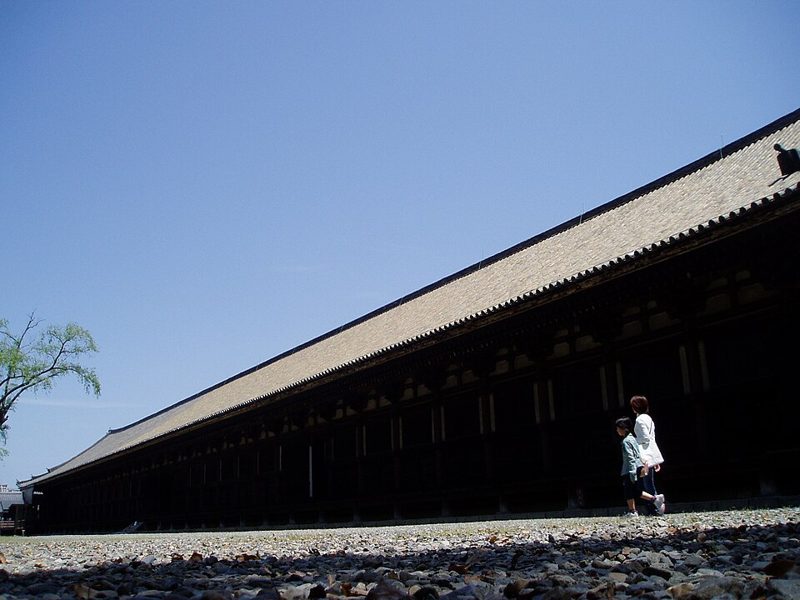 Sanjusangen-do Temple (Rengeo-in)Higashiyama / Gion · ShichijoInside a hall approximately 120 meters long stand 1,001 images of Kannon, the Buddhist bodhisattva of compassi
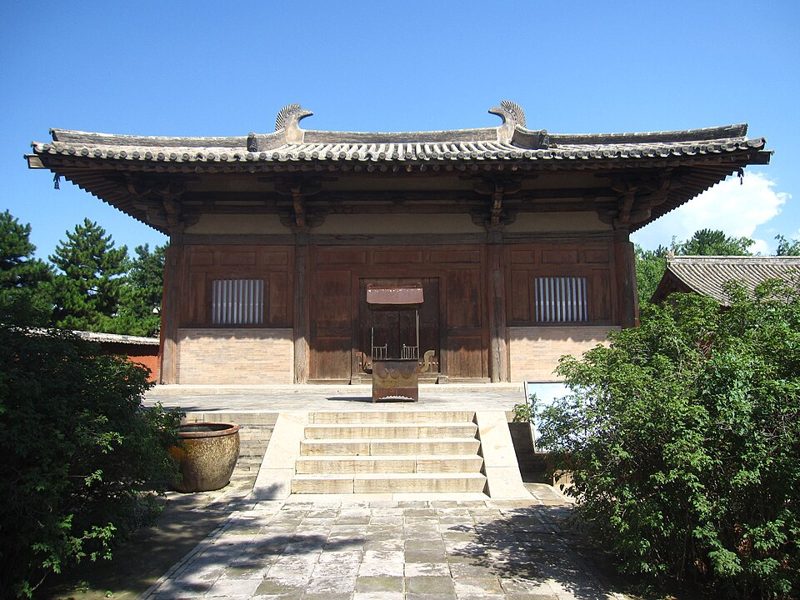 Nanzen-ji TempleOkazaki / Sakyo · KeageNanzen-ji began as an imperial villa belonging to Emperor Kameyama before becoming one of Kyoto's great Zen te
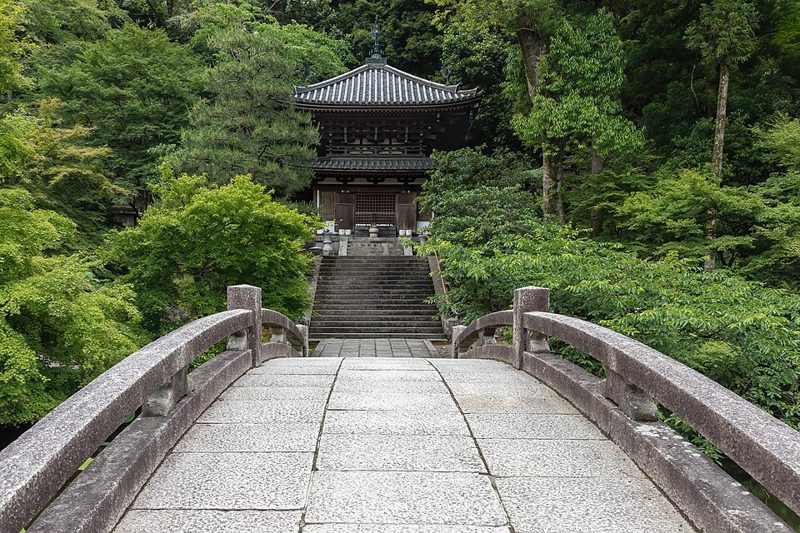 Chion-in TempleHigashiyama, Kyoto · Higashiyama Station (Kyoto Municipal Subway Tozai Line)In 1175, the Buddhist teacher Honen established a small grass hermitage in Kyoto's Higashiyama district and be
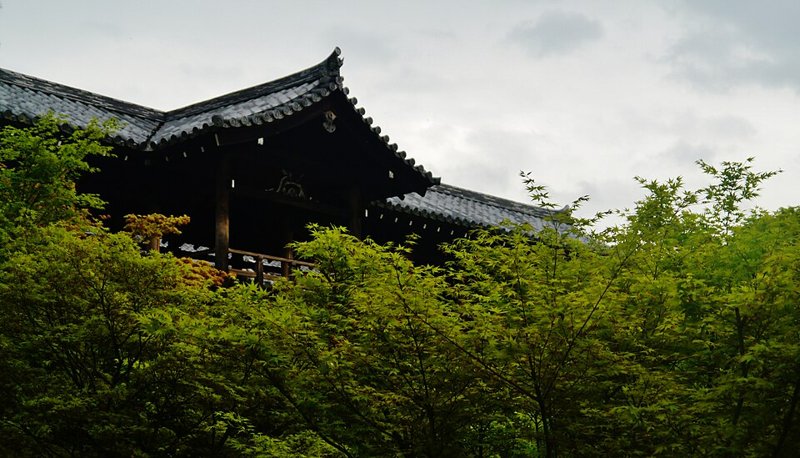 Tofuku-ji TempleHigashiyama, Kyoto · Tofukuji Station (JR Nara Line and Keihan Main Line)Construction of Tofuku-ji began in 1236 under the regent Kujo Michiie and took 19 years to complete. The templ
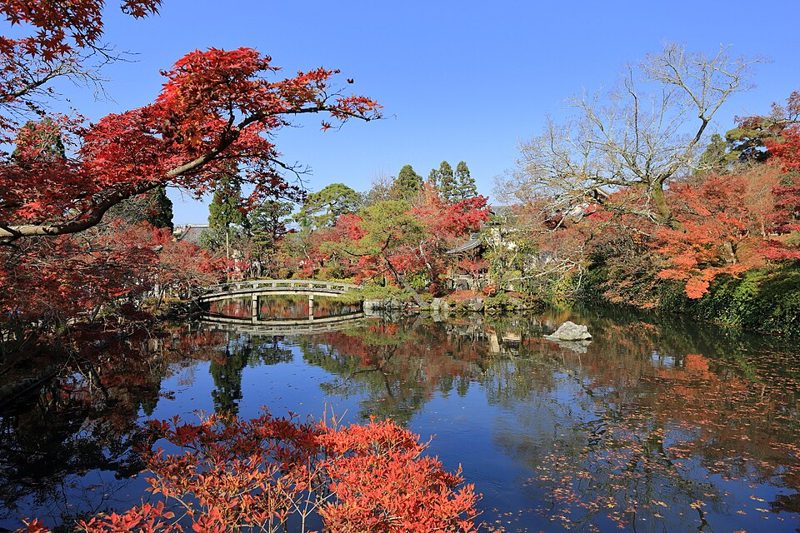 Eikando (Zenrin-ji Temple)Sakyo Ward, Eastern Kyoto · Keage StationOn February 15, 1082, according to temple legend, Amida Buddha stepped down from his altar, walked ahead of th
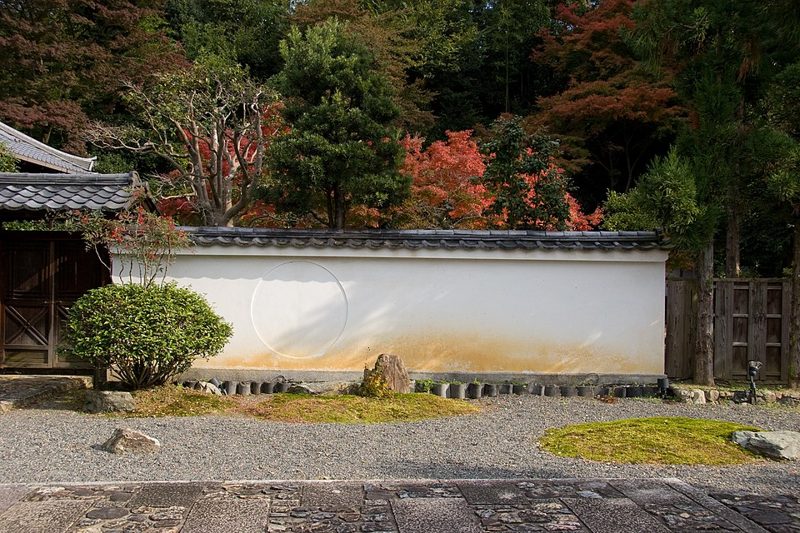 Kodaiji TempleHigashiyama Ward, Southern Higashiyama · Gion-Shijo StationIn 1606, Nene, the widow of Toyotomi Hideyoshi, established Kodaiji to commemorate her husband. The temple was
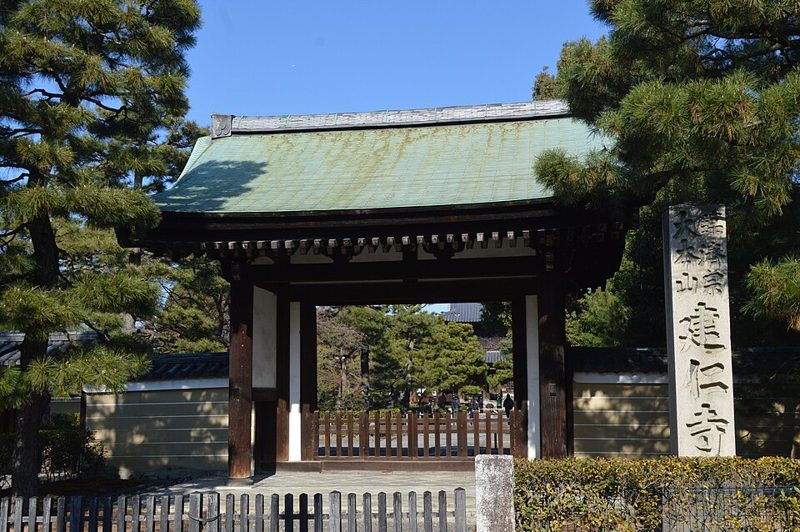 Kennin-ji TempleGion, Higashiyama · Gion-shijo StationFounded in 1202 under the patronage of shogun Minamoto no Yoriie, Kennin-ji is Kyoto's oldest Zen temple. Its
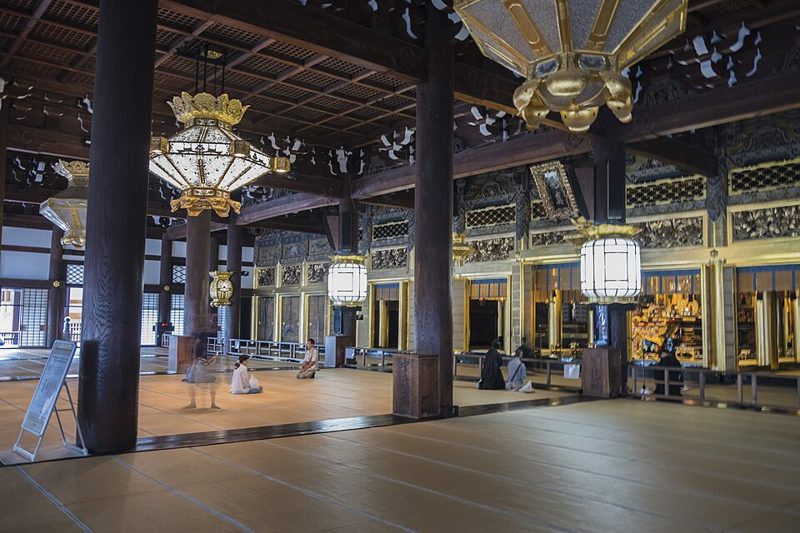 Nishi Hongwanji TempleShimogyo, Kyoto Station Area · Kyoto StationNishi Hongwanji's enormous Founder's Hall was rebuilt in 1636 and measures 62 by 48 meters, rising 29 meters h
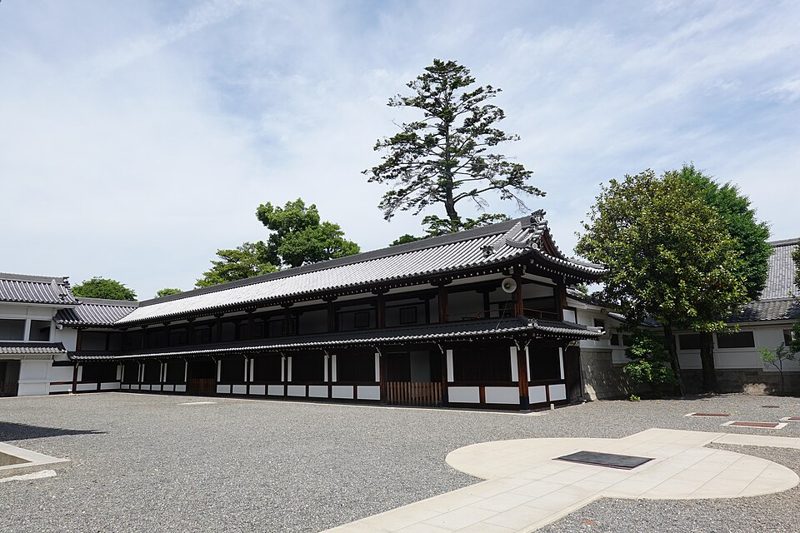 Higashi Honganji Temple (Shinshu Honbyo)Shimogyo Ward, Kyoto · Kyoto StationThe Founder's Hall at Higashi Honganji measures 76 meters long, 58 meters wide and 38 meters high, with 927 ta
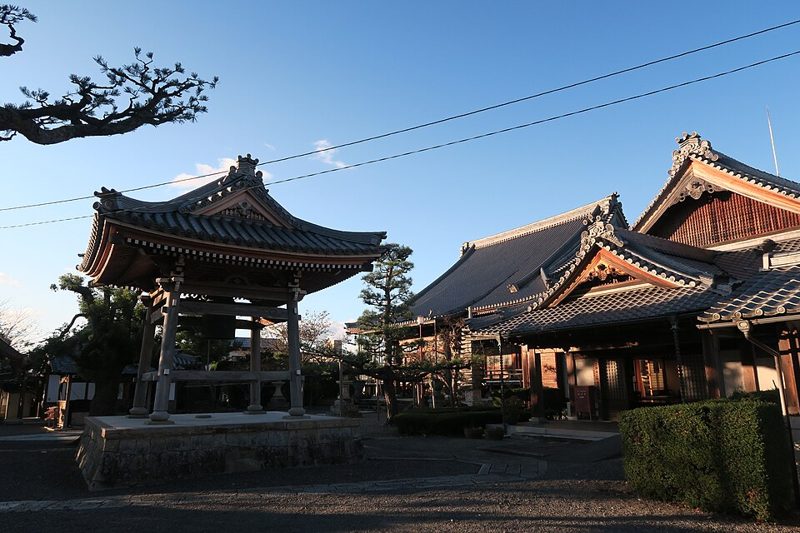 Daitokuji TempleMurasakino, Kita Ward, Kyoto · Kitaoji StationDaitokuji was founded in 1315 by the Zen master Shuho Myocho, according to the official Rinzai Buddhist organi
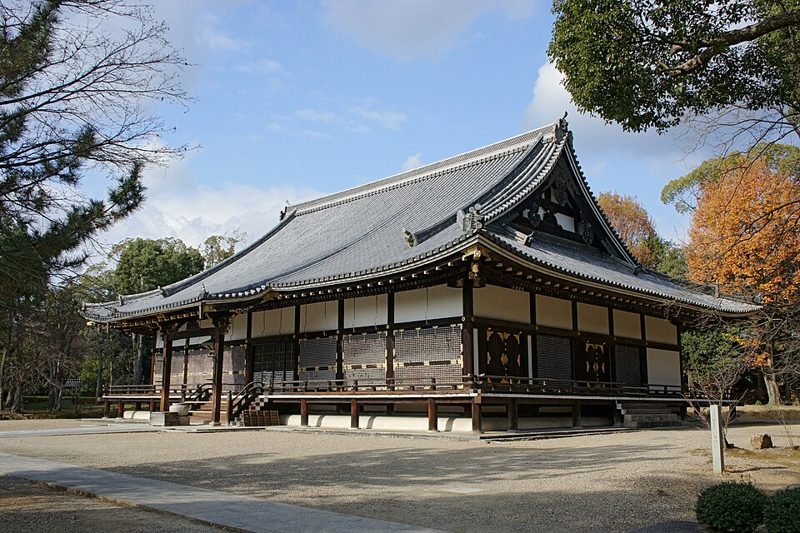 Ninna-ji TempleOmuro, Ukyo Ward, Kyoto · Omuro-Ninnaji StationNinna-ji's National Treasure Kondo was once the Shishinden ceremonial hall of Kyoto's Imperial Palace. Founded
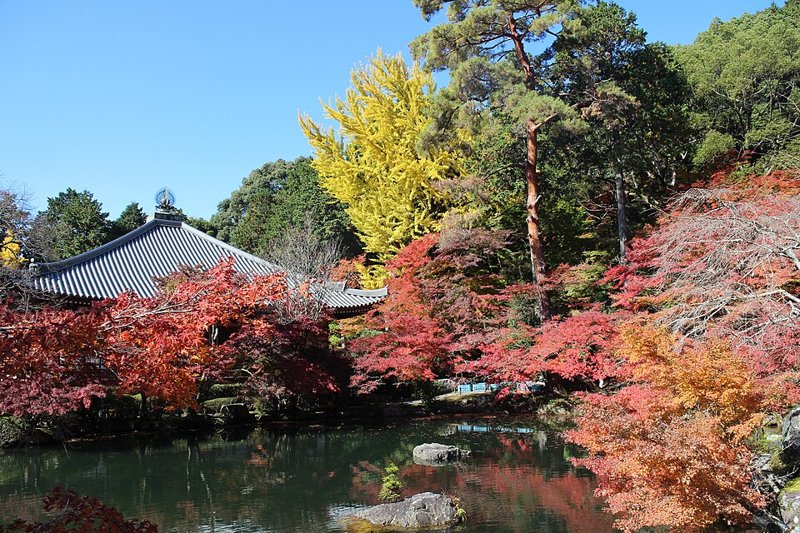 Daigo-ji TempleDaigo, Fushimi Ward, Kyoto · Daigo StationDaigo-ji's five-story pagoda, completed in 951, is Kyoto Prefecture's oldest surviving wooden building. The te
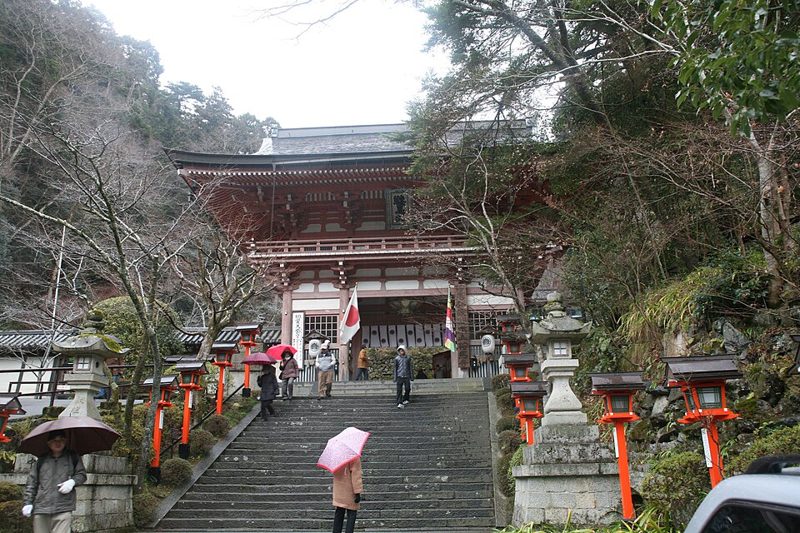 Kurama-dera TempleKurama, Sakyo Ward, Northern Kyoto · Kurama Station (Eizan Railway)Kurama-dera traces its foundation to 770, when the monk Gantei is said to have followed a white horse into the
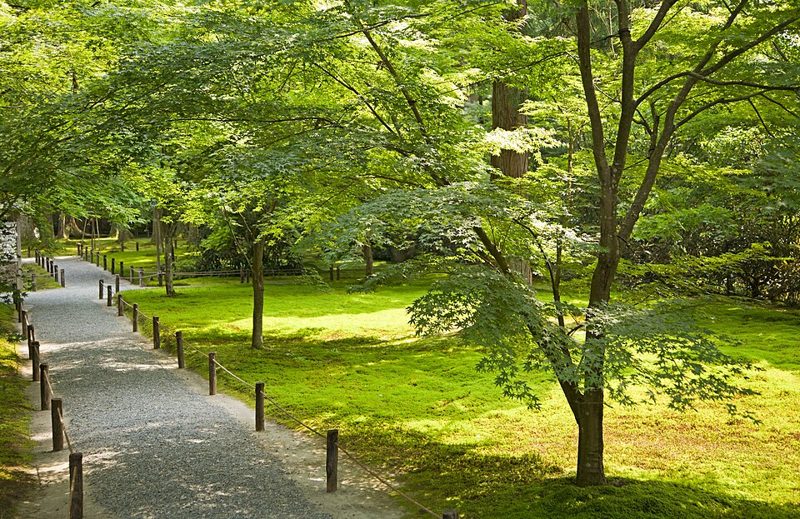 Sanzen-in TempleOhara, Sakyo Ward, Northern Kyoto · Kokusai Kaikan Station (Karasuma Subway Line; transfer to a bus for Ohara)Between 782 and 806, the monk Saicho established a small Buddhist hall beneath a wild pear tree on Mount Hiei,
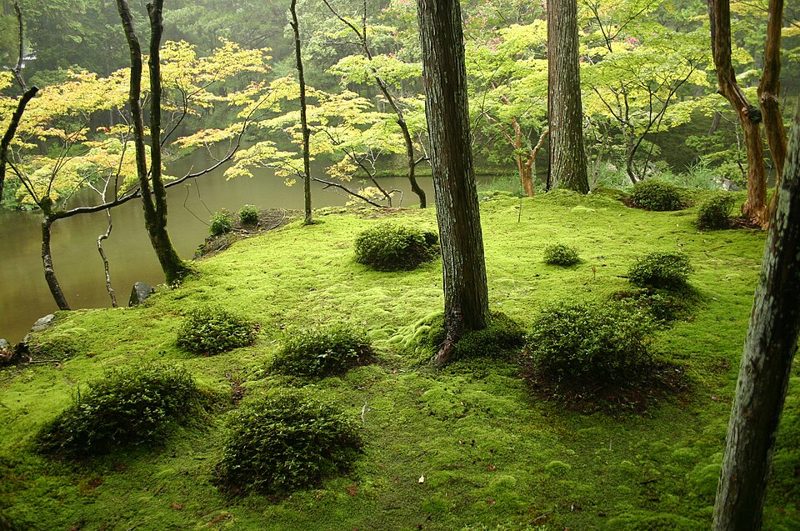 Saihoji Temple (Kokedera, the Moss Temple)Matsuo, Nishikyo Ward, western Kyoto · Kamikatsura StationSaihoji's garden contains more than 120 varieties of moss across approximately 35,000 square metres, yet the c
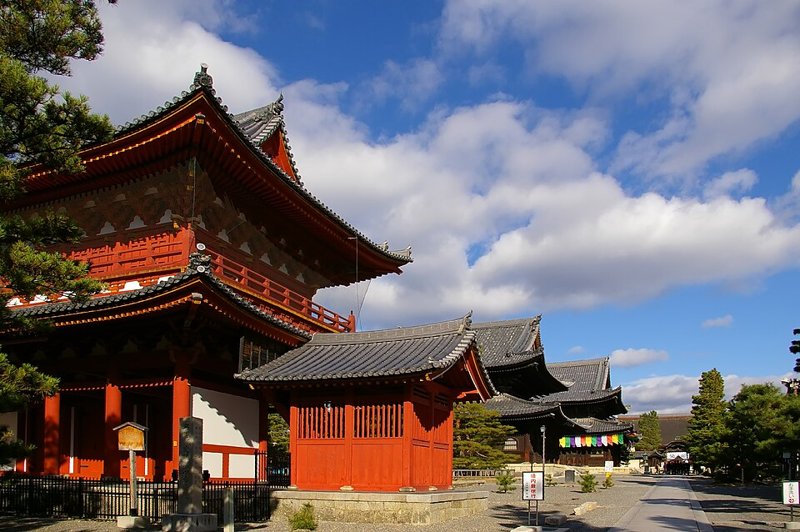 Myoshin-ji TempleHanazono, Ukyo Ward, Kyoto · JR Hanazono StationMyoshin-ji began in 1337 when the retired Emperor Hanazono converted his imperial villa into a Zen monastery.
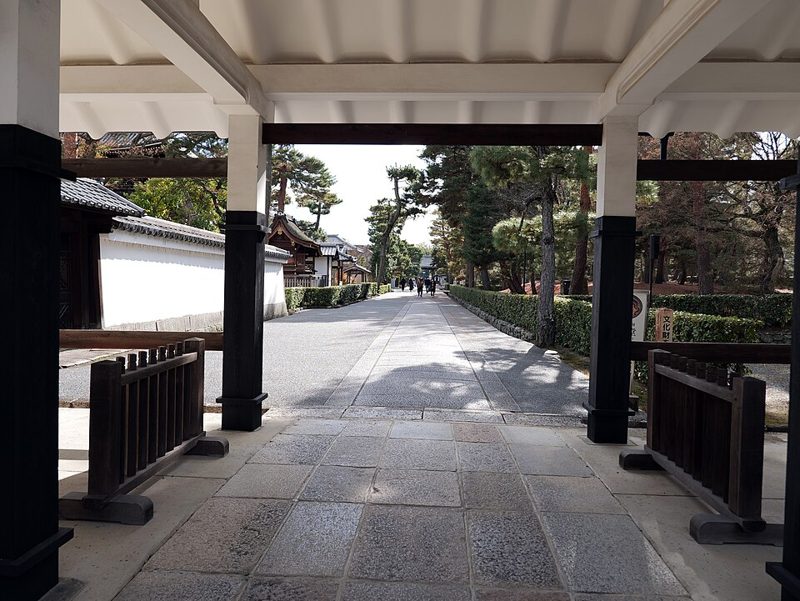 Shokoku-ji TempleImadegawa, Kamigyo Ward, Kyoto · Imadegawa Station, Kyoto Municipal Subway Karasuma LineShokoku-ji was established under the patronage of Ashikaga Yoshimitsu, the third shogun of the Muromachi gover
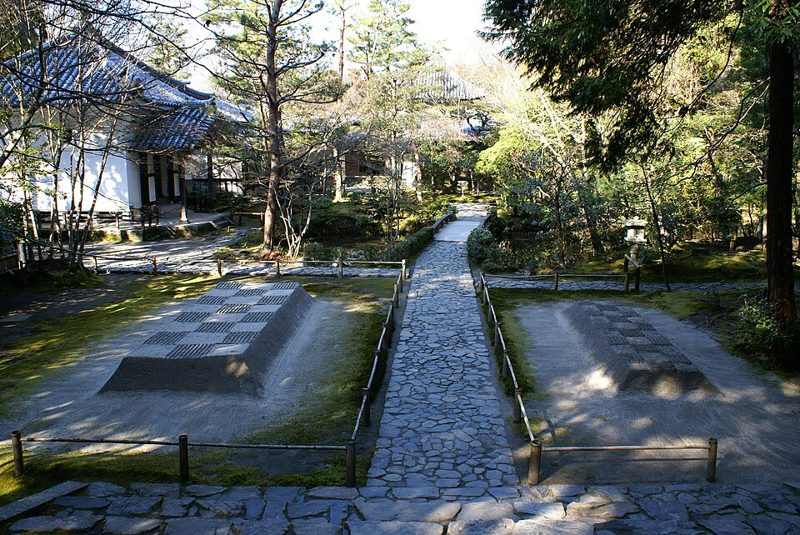 Honen-in TempleShishigatani, Sakyo Ward, Kyoto · Keage StationHonen-in preserves a religious tradition associated with Honen, the Buddhist teacher who practiced devotional
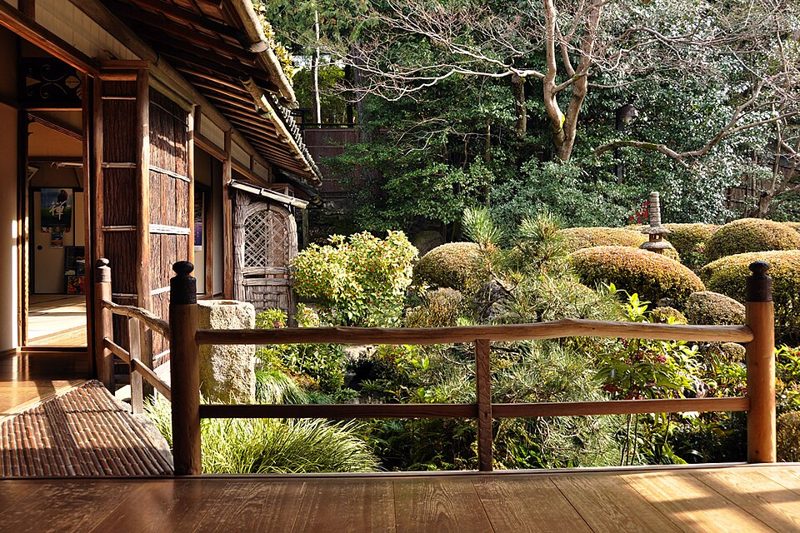 Shisen-do Jozan-ji TempleIchijoji, Sakyo Ward, Kyoto · Ichijoji StationIn 1641, Ishikawa Jozan completed the hillside residence that became known as Shisen-do. Once a retainer of To
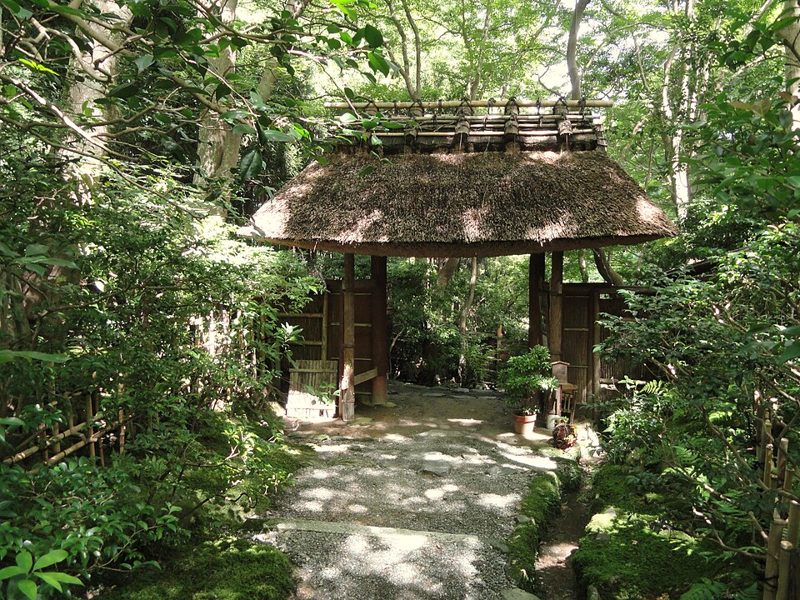 Gioji TempleOkusaga, Ukyo Ward, Kyoto · Saga-Arashiyama Station (JR Sagano Line)In 1895, Gioji was rebuilt with the support of nearby Daikakuji and the donation of a thatched-roof building b
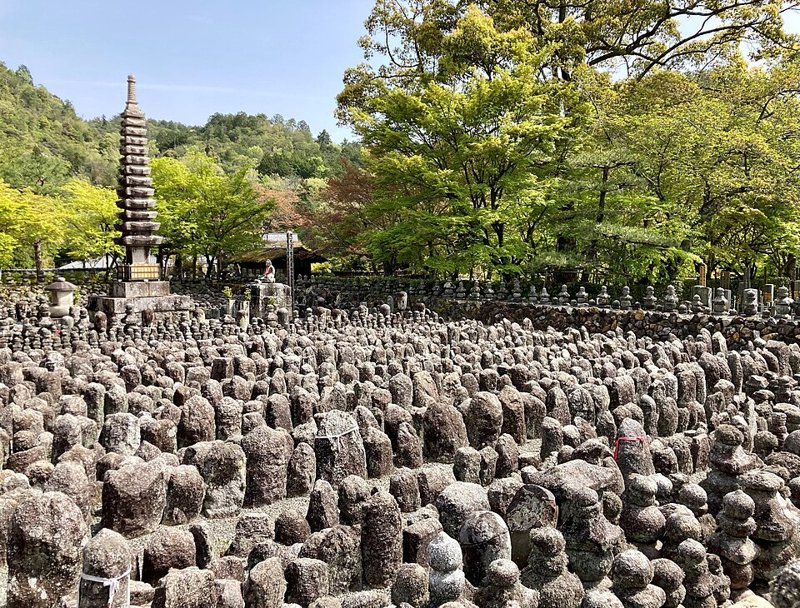 Adashino Nenbutsuji TempleAdashino, Okusaga, Ukyo Ward, Kyoto · Saga-Arashiyama Station (JR Sagano Line)Approximately 8,000 stone grave markers preserve the memory of people buried in Kyoto's Adashino district over
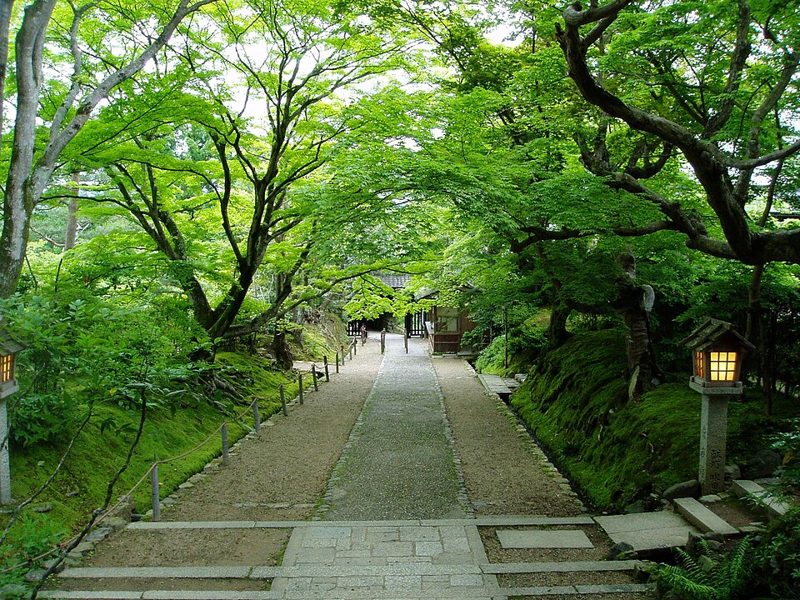 Jojakko-ji TempleSagano, Ukyo Ward, Kyoto · JR Saga-Arashiyama StationIn 1596, the Buddhist priest Nisshin established Jojakko-ji on Mount Ogura after refusing to participate in a
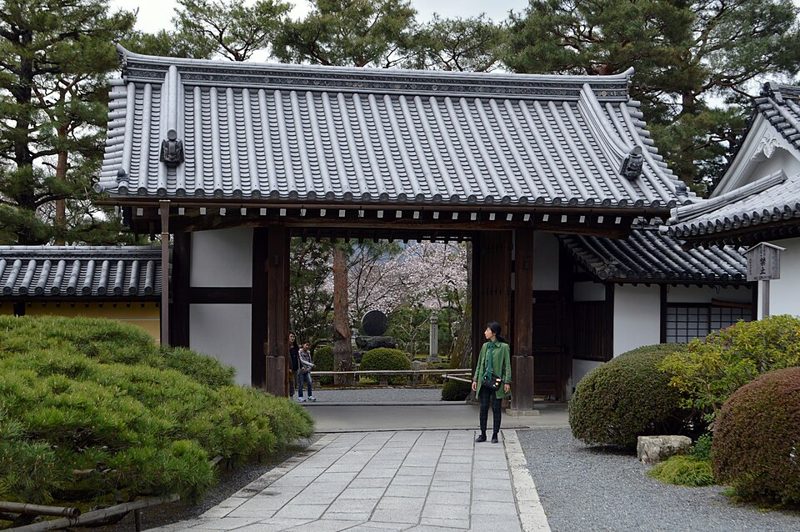 Daikaku-ji TempleSaga, Ukyo Ward, Kyoto · JR Saga-Arashiyama StationDaikaku-ji was established in 876 when Emperor Saga's former imperial villa was converted into a Buddhist temp
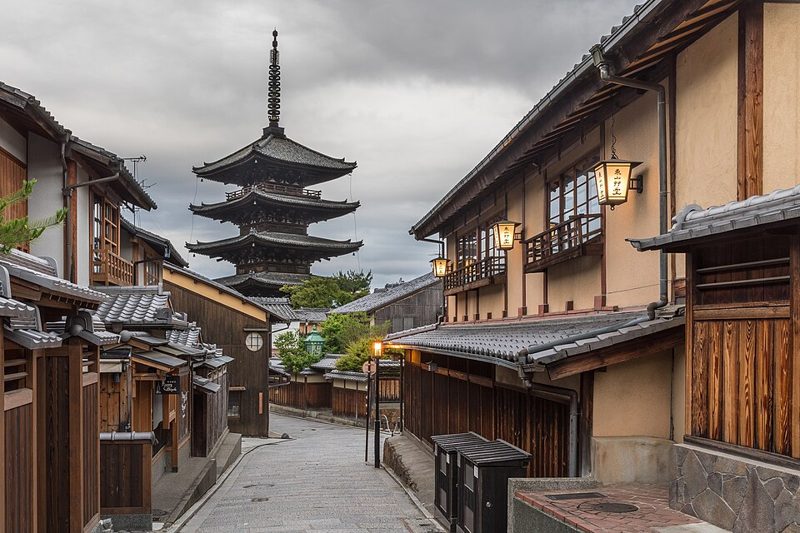 Hokan-ji Temple (Yasaka Pagoda)Yasaka, Higashiyama, Kyoto · Gion-Shijo Station (Keihan Main Line; geographic nearest-station status not independently verified)The five-story Yasaka Pagoda rises approximately 46 meters above Kyoto's historic Higashiyama district. The su
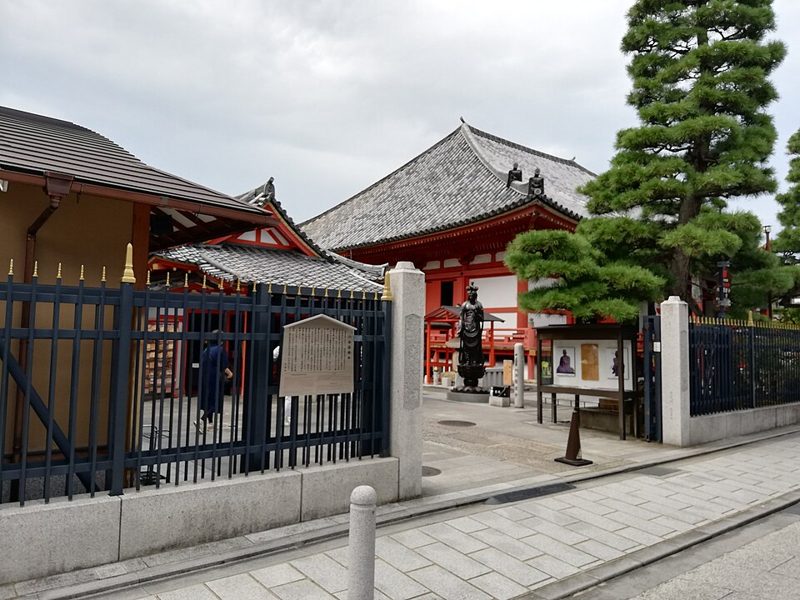 Rokuharamitsuji TempleHigashiyama, Rokuhara · Kiyomizu-Gojo StationSix small figures of Amida Buddha emerge from the mouth of the monk Kuya in one of the most distinctive Buddhi
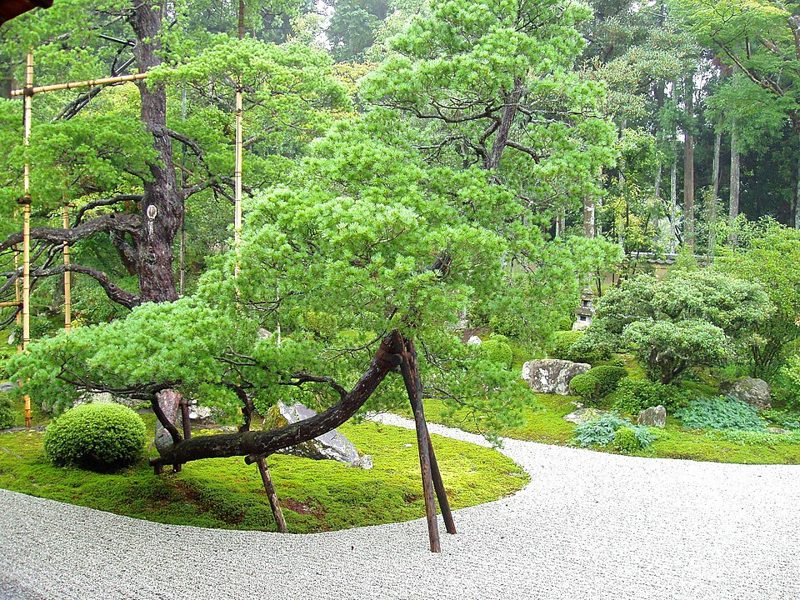 Manshuin Monzeki TempleIchijoji, Sakyo Ward, Kyoto · Shugakuin StationManshuin traces its origins to the Enryaku era (782–806), when Saicho established a place of prayer on Mount H
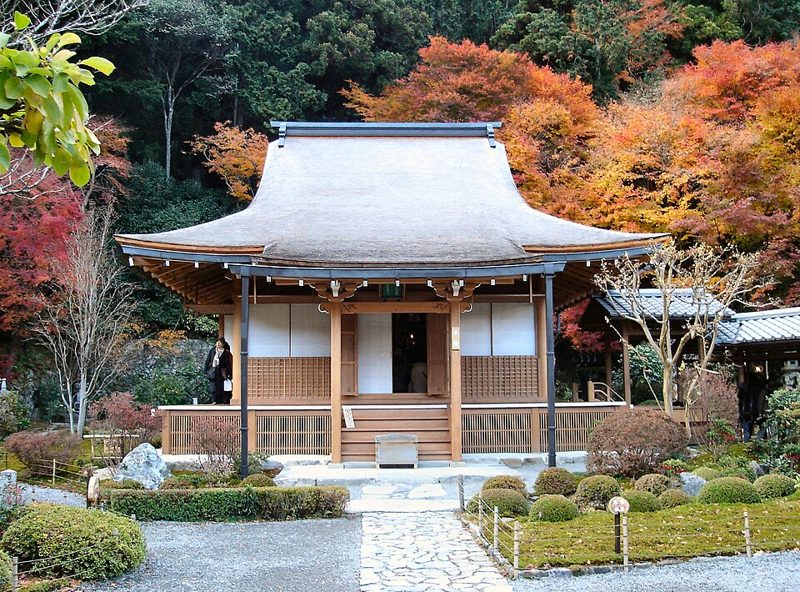 Jakko-in TempleOhara, Sakyo Ward, Kyoto · Kokusaikaikan Station (subway connection); Ohara bus stop (closest bus stop)In September 1185, Kenreimon-in Tokuko, the daughter of Taira no Kiyomori and mother of Emperor Antoku, entere
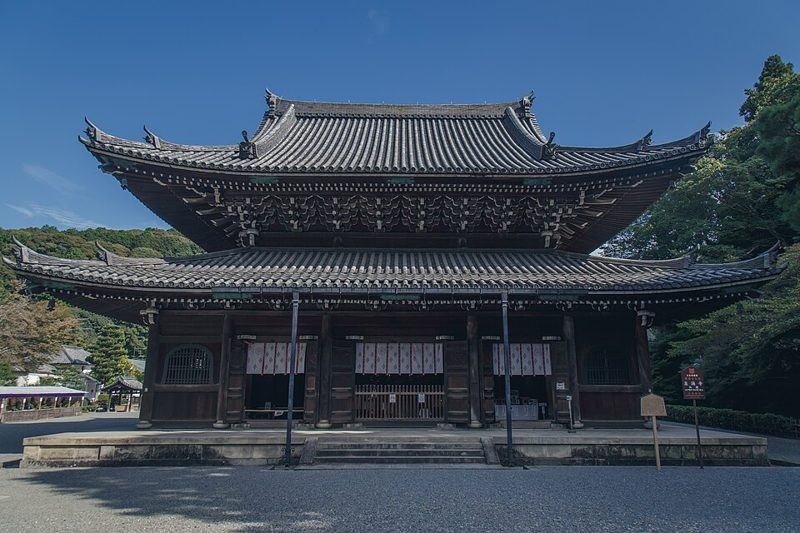 Sennyu-ji TempleHigashiyama, Kyoto · Tofukuji StationIn 1242, the funeral of Emperor Shijo transformed Sennyu-ji into a temple with an extraordinary relationship t
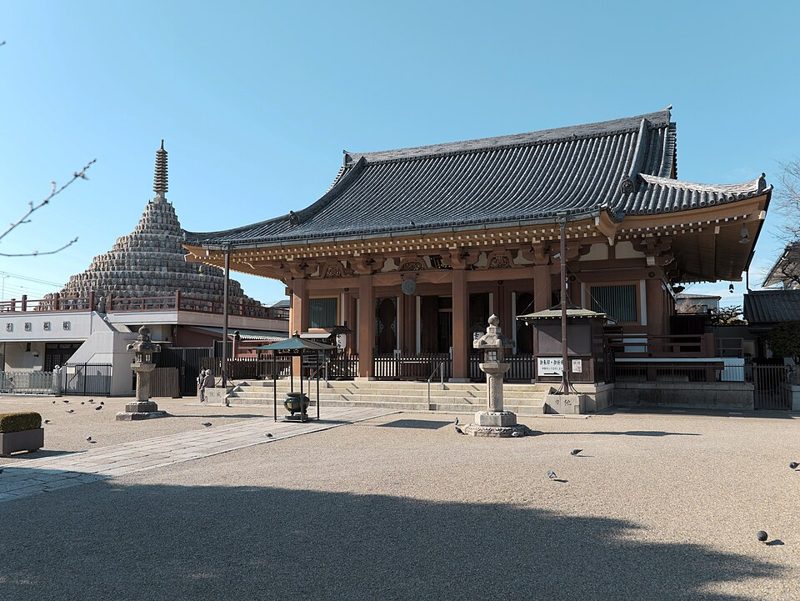 Mibu-dera TempleNakagyo, Kyoto · Omiya StationIn 1300, the Buddhist monk Engaku developed a form of religious theater that could communicate Buddhist teachi
Shrines (14)
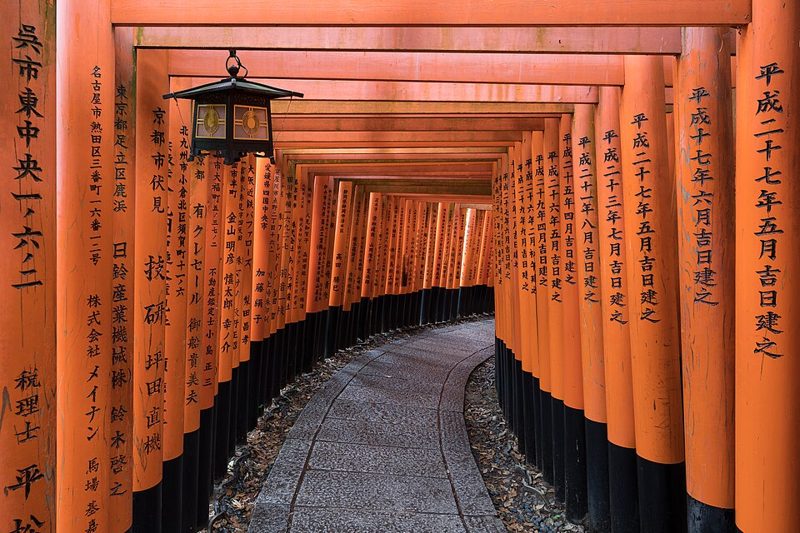 Fushimi Inari TaishaFushimi–Uji · InariFushimi Inari Taisha is famous for its thousands of vermilion torii gates, but the real heart of this shrine i
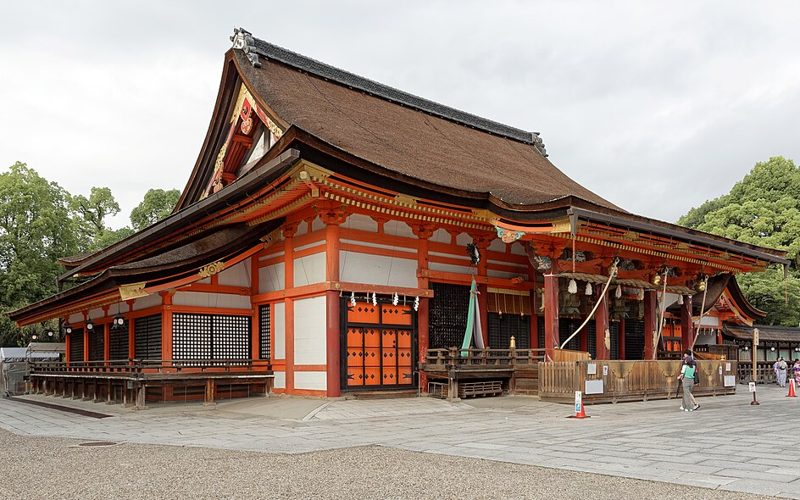 Yasaka ShrineHigashiyama–Gion · Gion-shijoStanding at the eastern end of Gion's Shijo Street, Yasaka Shrine is the spiritual home of the Gion Festival,
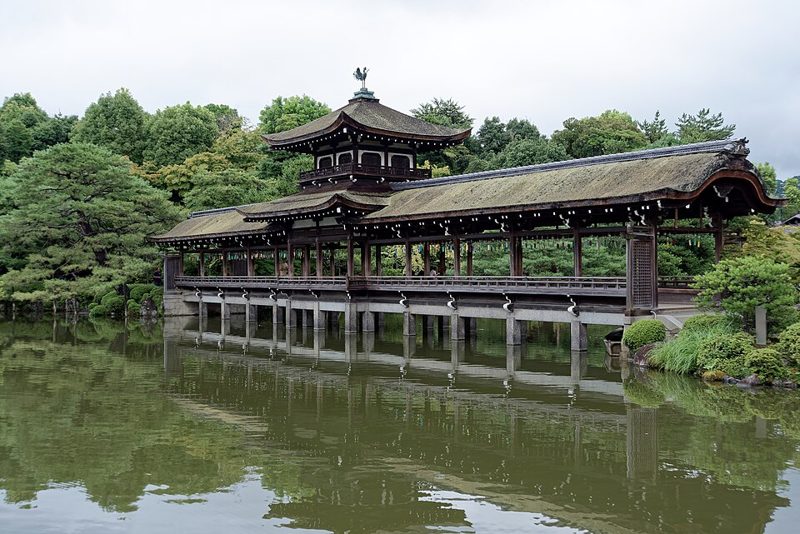 Heian Jingu ShrineOkazaki–Sakyo · HigashiyamaHeian Jingu may look like an ancient imperial palace, but it was built in 1895 to celebrate 1,100 years since
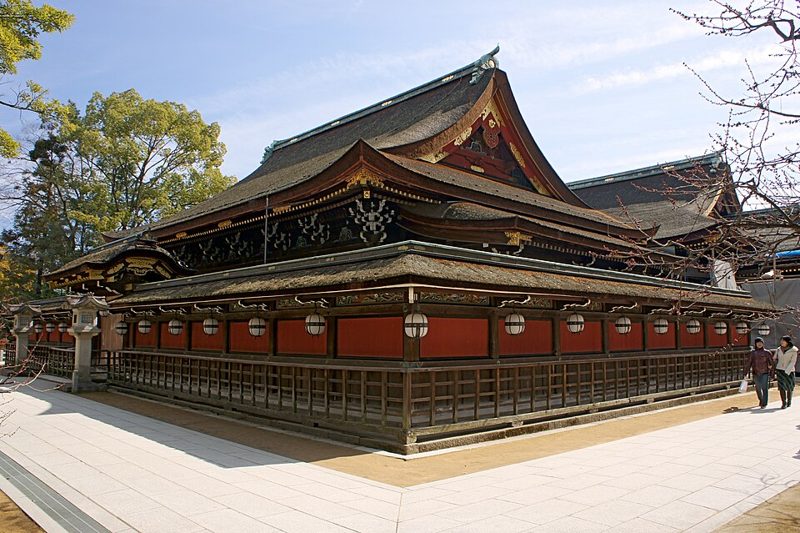 Kitano Tenmangu ShrineKamigyo, Northwest Kyoto · Kitano-Hakubaicho StationFounded in 947, Kitano Tenmangu is the head shrine of approximately 12,000 Tenmangu and Tenjin shrines dedicat
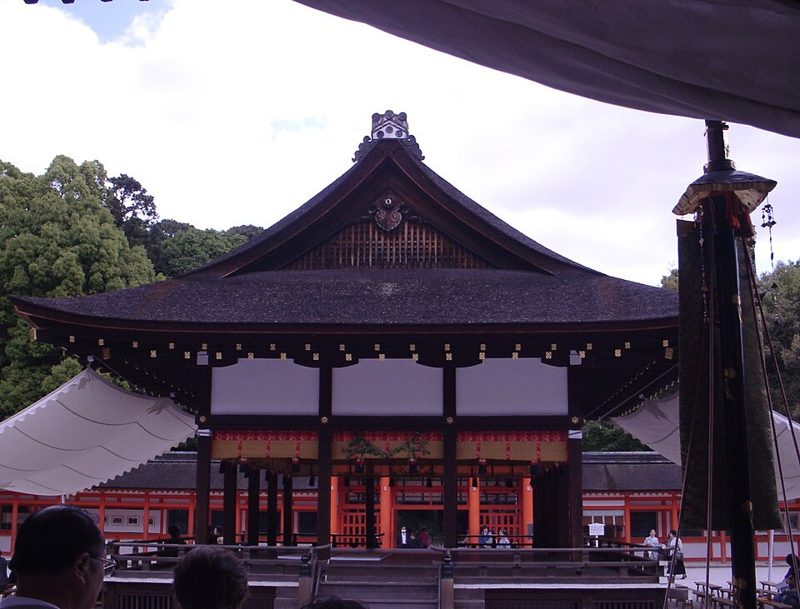 Shimogamo Shrine (Kamomioya-jinja)Shimogamo, Sakyo Ward, Kyoto · Demachiyanagi StationShimogamo Shrine stands beside the meeting of the Kamo and Takano rivers, within a sacred woodland called Tada
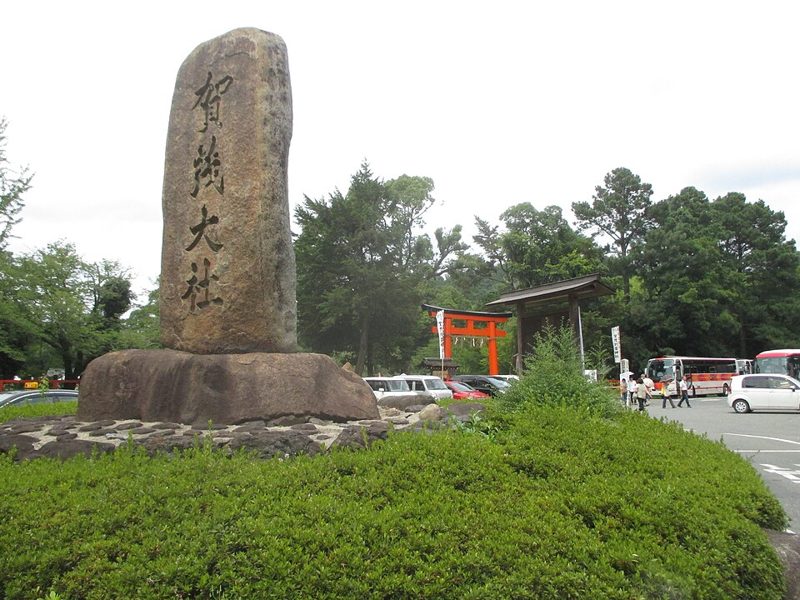 Kamigamo Shrine (Kamo Wakeikazuchi-jinja)Kamigamo, Kita Ward, northern Kyoto · Kitayama StationKamigamo Shrine's official history records the construction of its sanctuary complex in 677, while its mytholo
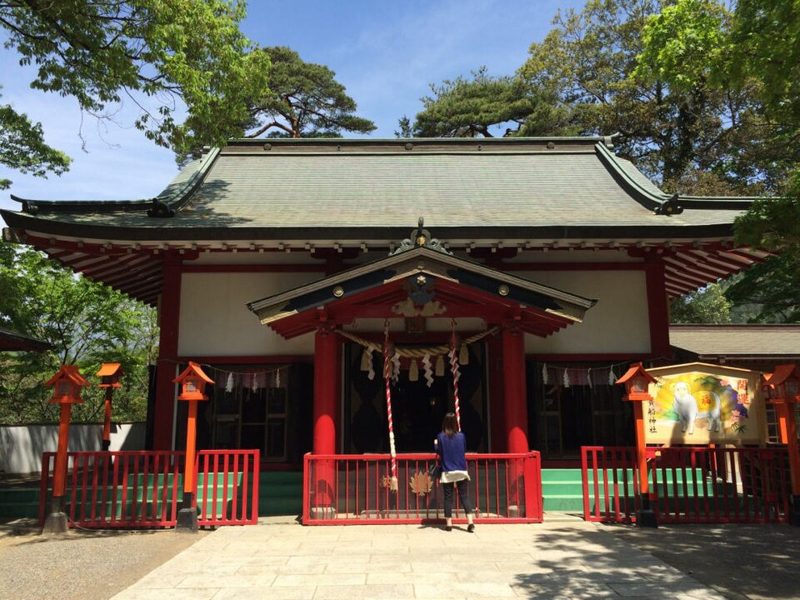 Kifune-jinja ShrineKibune, Sakyo Ward, Northern Kyoto · Kibuneguchi Station (Eizan Railway)Kifune-jinja preserves a foundation legend about Tamayori-hime, who traveled upstream from the present-day Osa
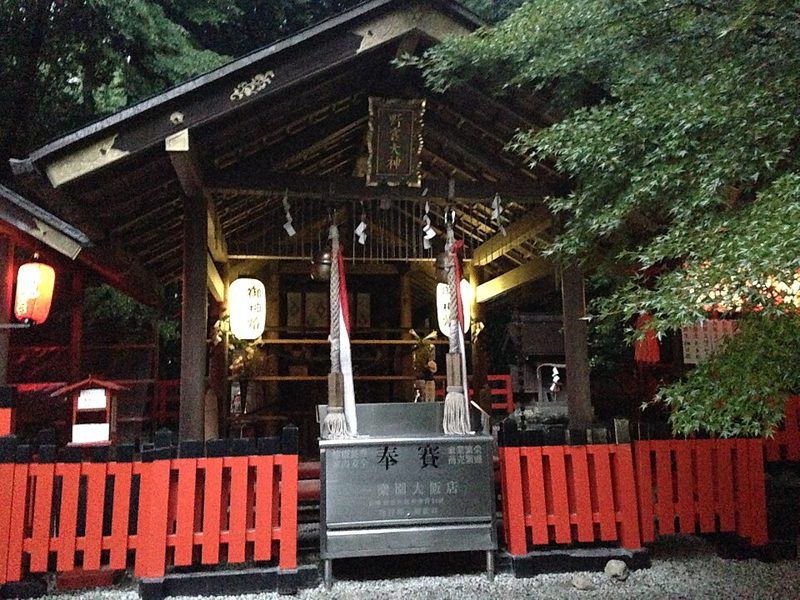 Nonomiya ShrineSagano, Ukyo Ward, Kyoto · JR Saga-Arashiyama Station / Randen Arashiyama StationAn imperial princess once prepared for sacred service at Ise Grand Shrine on the site now occupied by Nonomiya
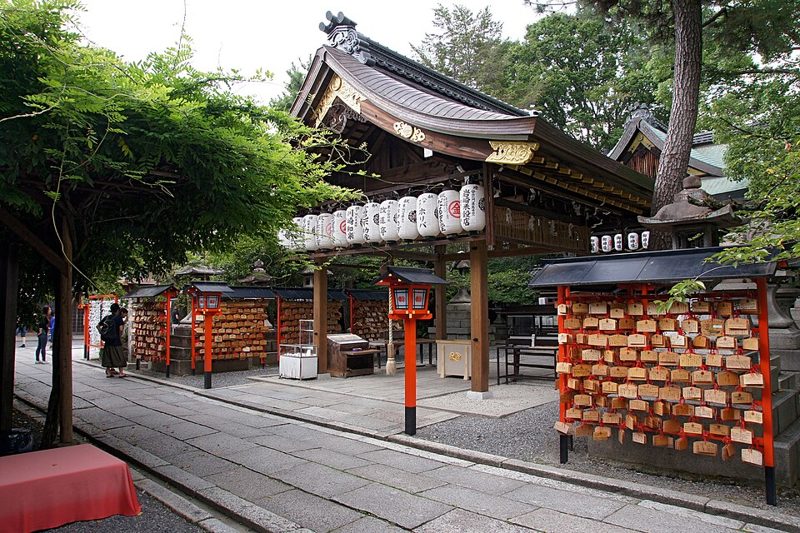 Yasui Konpiragu ShrineHigashiyama, Gion · Gion-Shijo StationA stone monument measuring 1.5 meters high and 3 meters wide has become the focus of an unusual religious ritu
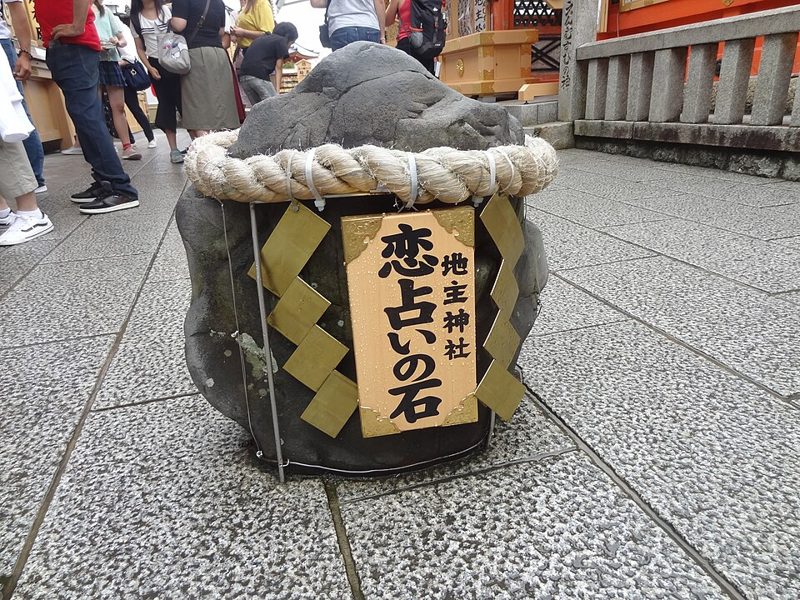 Jishu ShrineHigashiyama, Kiyomizu · Kiyomizu-Gojo StationIn 1633, Tokugawa Iemitsu rebuilt Jishu Shrine's buildings on a sacred hillside beside Kiyomizu-dera. The shri
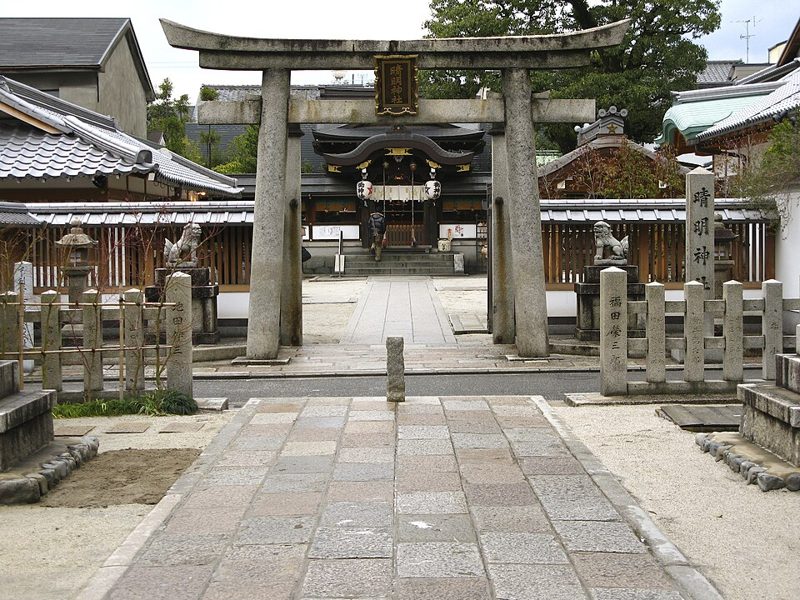 Seimei ShrineKamigyo, Horikawa-Ichijo · Imadegawa StationSeimei Shrine was founded in 1007 by order of Emperor Ichijo on land associated with the former residence of A
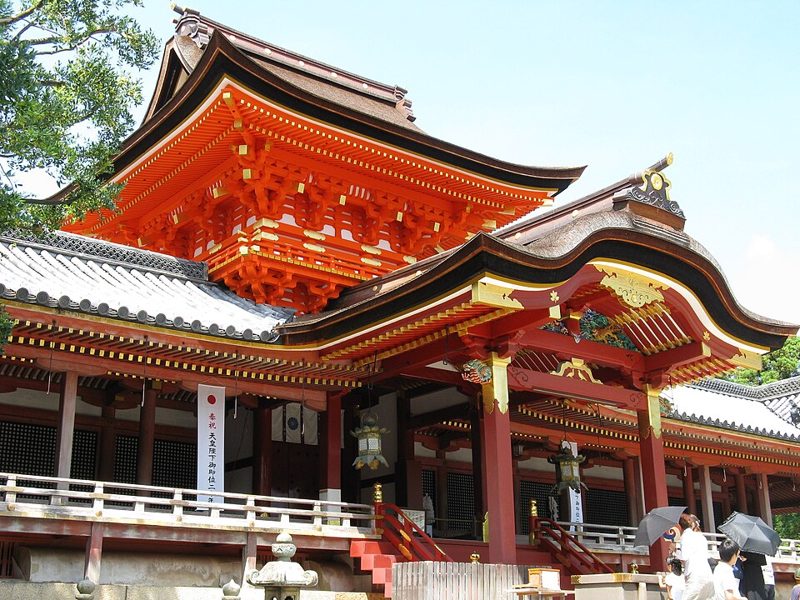 Iwashimizu Hachimangu ShrineYawata City, Kyoto Prefecture, Mount Otokoyama · Iwashimizu-hachimangu Station (Keihan Railway); Cable Hachimangu-sanjo Station (Sando Cable)Founded in 859 by the monk Gyokyo, Iwashimizu Hachimangu grew into a shrine visited more than 240 times by emp
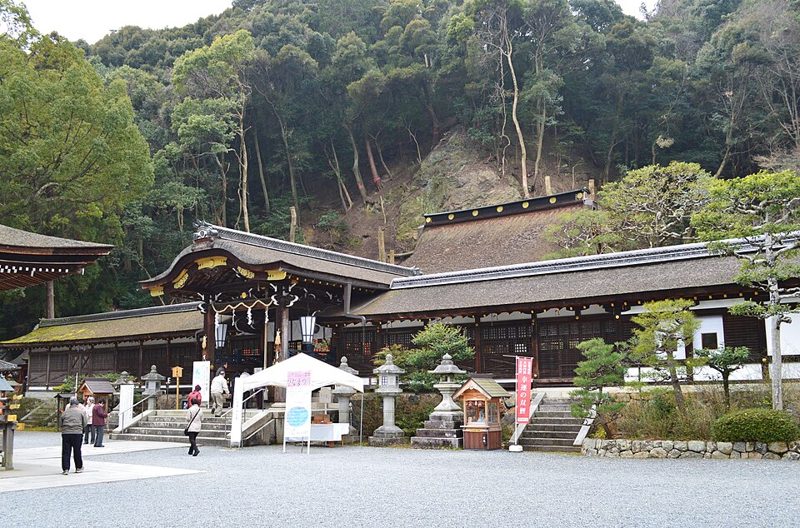 Matsunoo Taisha ShrineNishikyo Ward, Western Kyoto · Matsunoo-taisha Station (Hankyu Arashiyama Line)Founded at its present location in 701, Matsunoo Taisha was already an established religious institution befor
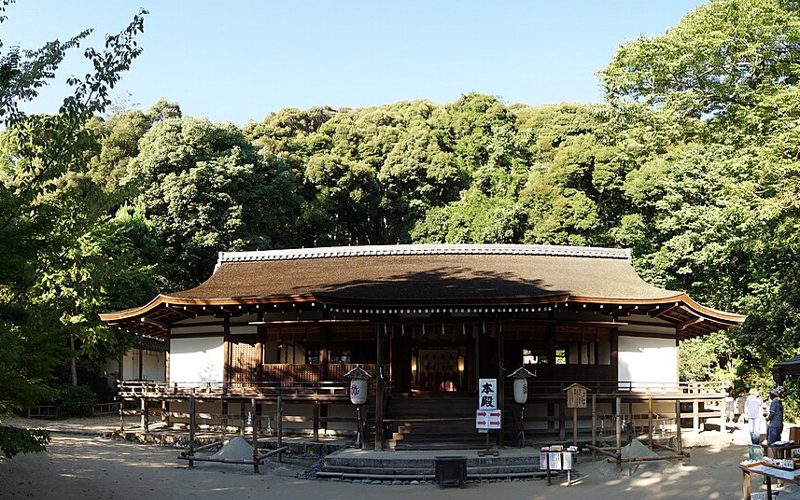 Ujigami ShrineUji City, Southern Kyoto Prefecture · Uji Station (Keihan Uji Line)Scientific analysis of Ujigami Shrine's timber dates its oldest surviving structures to around 1060, making it
Sights & streets (10)
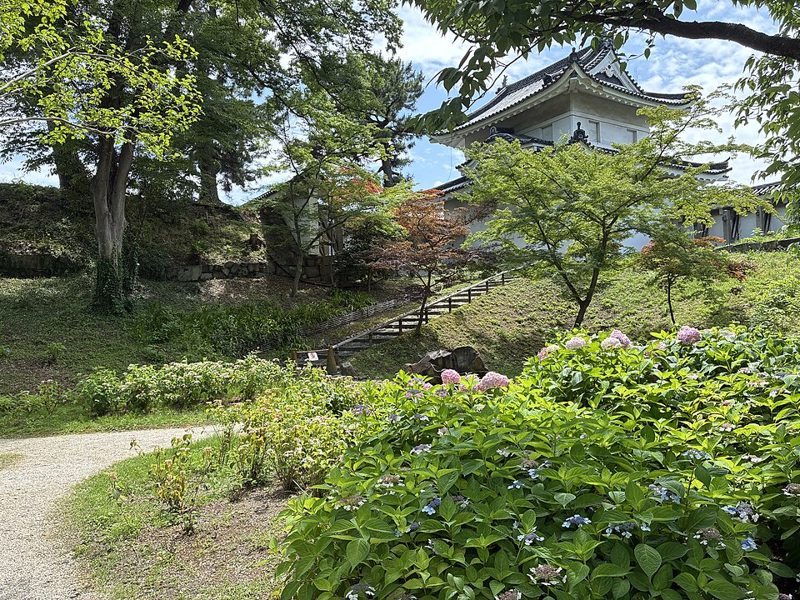 Nijo-jo CastleNijo-jo / Kyoto Imperial Palace · Nijojo-maeOne castle witnessed both the beginning and the end of the Tokugawa shogunate. Built by Tokugawa Ieyasu in 160
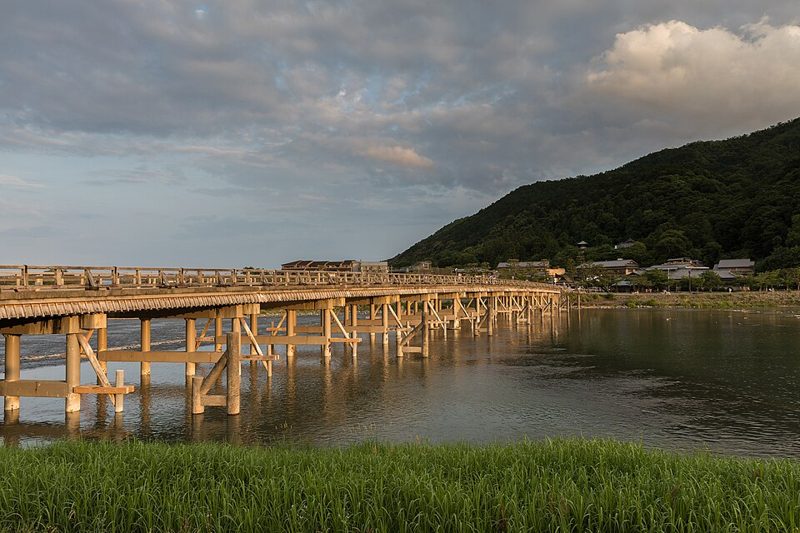 Arashiyama Bamboo Grove and Togetsukyo BridgeArashiyama / Sagano · ArashiyamaTwo of Arashiyama's most recognizable sights are connected by the culture of Kyoto's imperial court. Togetsuky
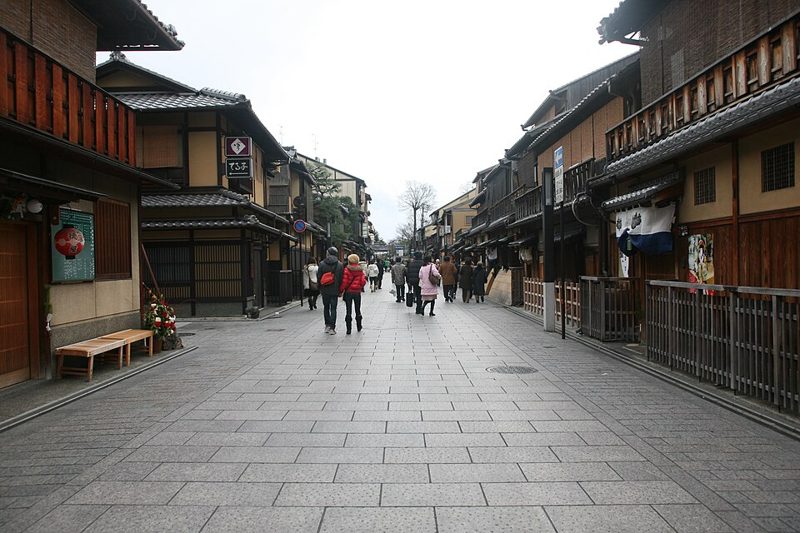 Gion and Hanamikoji StreetHigashiyama / Gion · Gion-shijoHanamikoji did not begin as a street of geiko and maiko. Gion grew from the approach to Yasaka Shrine, where t
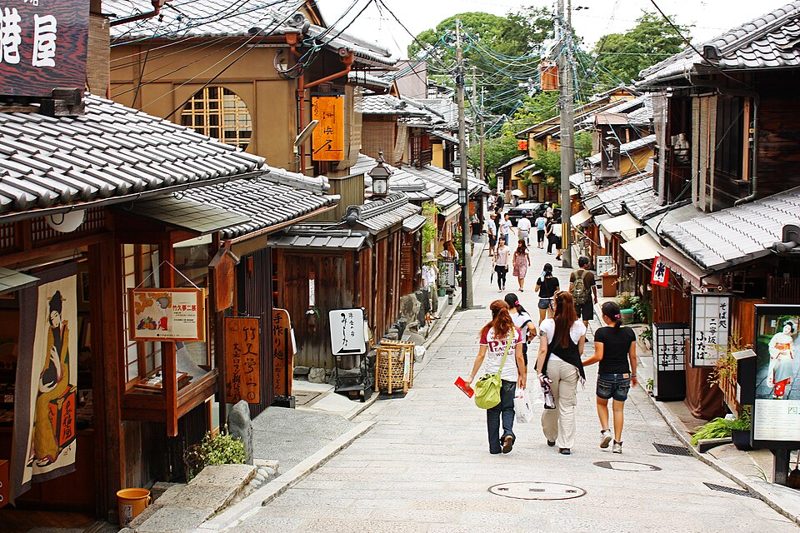 Sannenzaka and Ninenzaka Historic StreetsHigashiyama / Gion · Kiyomizu-gojoThe stone-paved slopes of Sannenzaka and Ninenzaka look centuries old, but many of the traditional townhouses
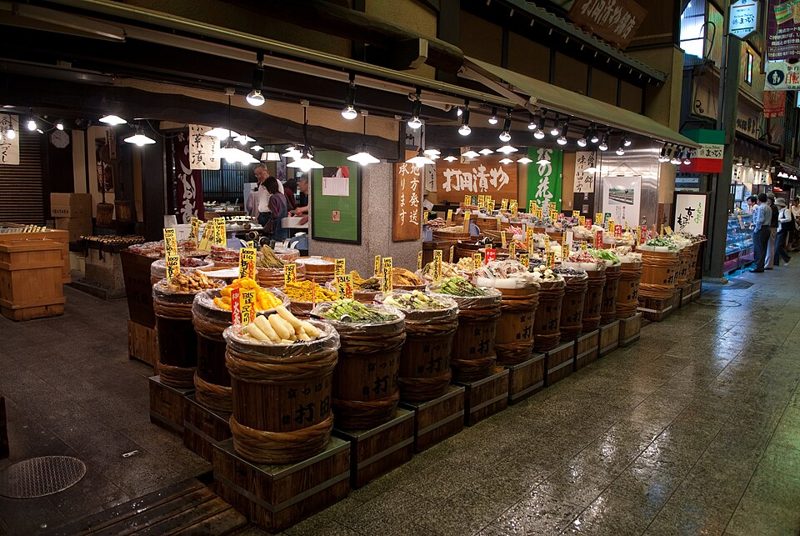 Nishiki MarketShijo / Kawaramachi · KarasumaWhy did a fish market flourish in the middle of Kyoto? Part of the answer lies underground. Nishiki Market ben
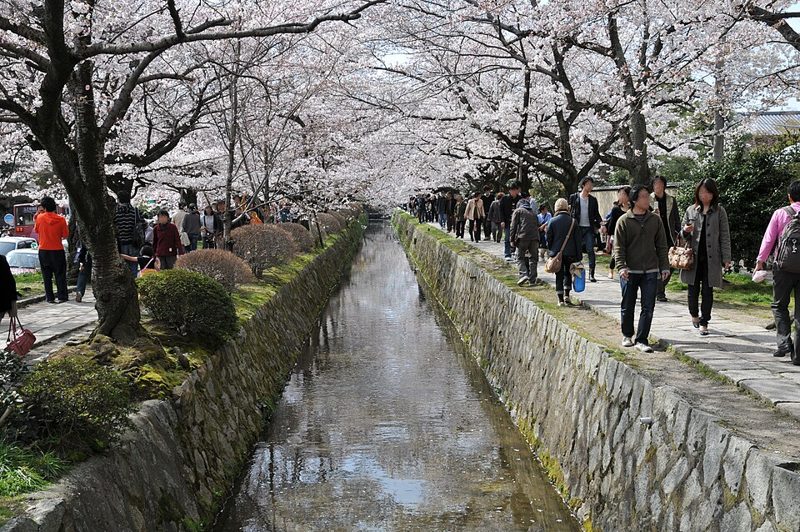 Philosopher's PathOkazaki / Sakyo · DemachiyanagiThe Philosopher's Path was never intended to be a walking trail. It began as a maintenance path beside a branc
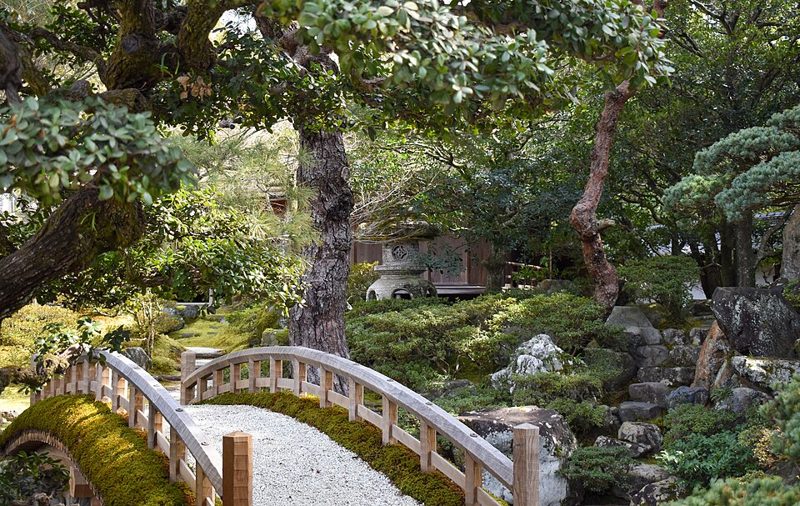 Kyoto Imperial Palace and Kyoto Gyoen National GardenKamigyo, Kyoto · Imadegawa StationThe present Kyoto Imperial Palace was rebuilt in 1855, but the imperial residence was established at this loca
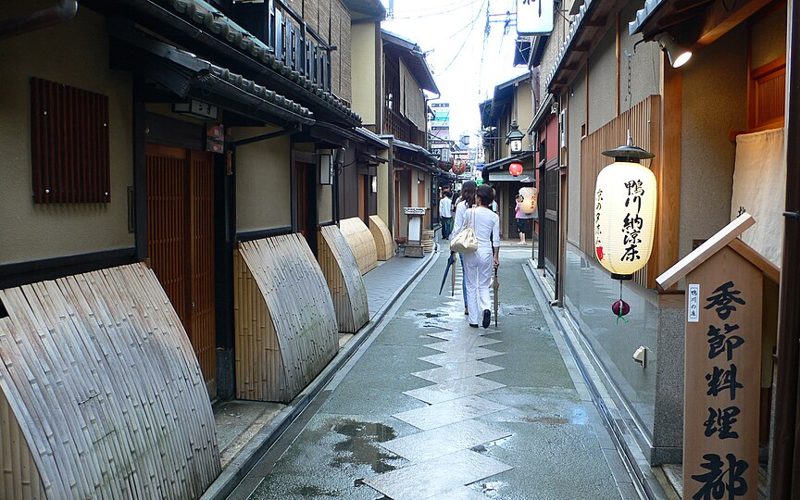 Pontocho AlleyPontocho, Nakagyo Ward, Central Kyoto · Sanjo Station (Keihan Railway)Pontocho stretches for just over 500 meters along the western side of the Kamo River, yet its history reaches
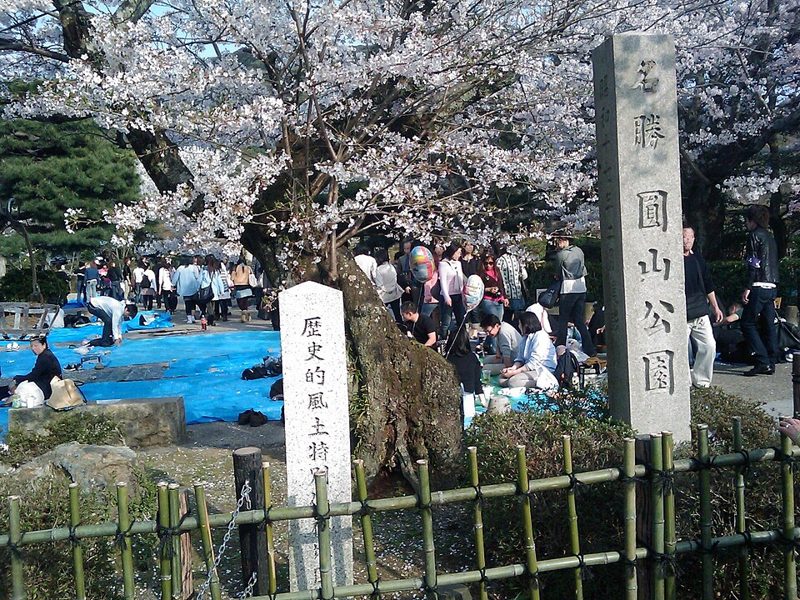 Maruyama ParkHigashiyama, Gion · Gion-Shijo StationEstablished on December 25, 1886, Maruyama Park is Kyoto City's oldest public park. Its strolling garden was c
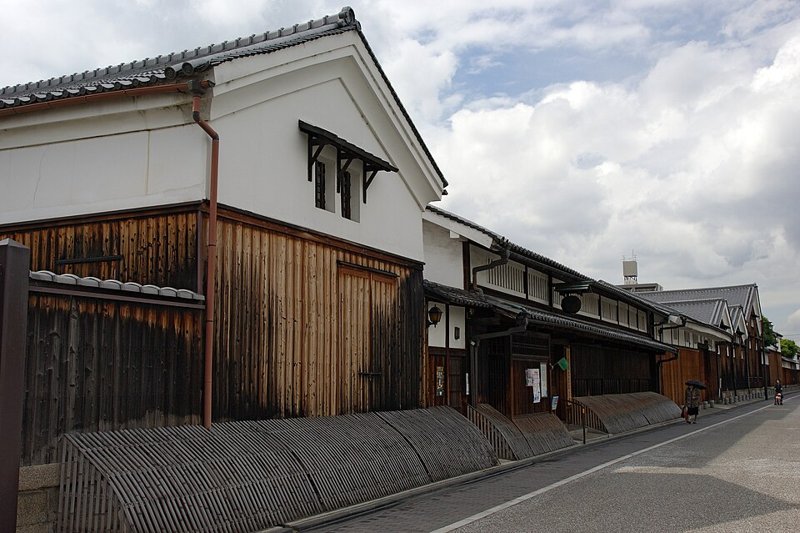 Fushimi Sake District and Gekkeikan Okura Sake MuseumFushimi, Southern Kyoto · Chushojima StationGekkeikan was founded in Fushimi in 1637, and its sake museum now occupies a former brewery constructed in 190
Gardens & villas (4)
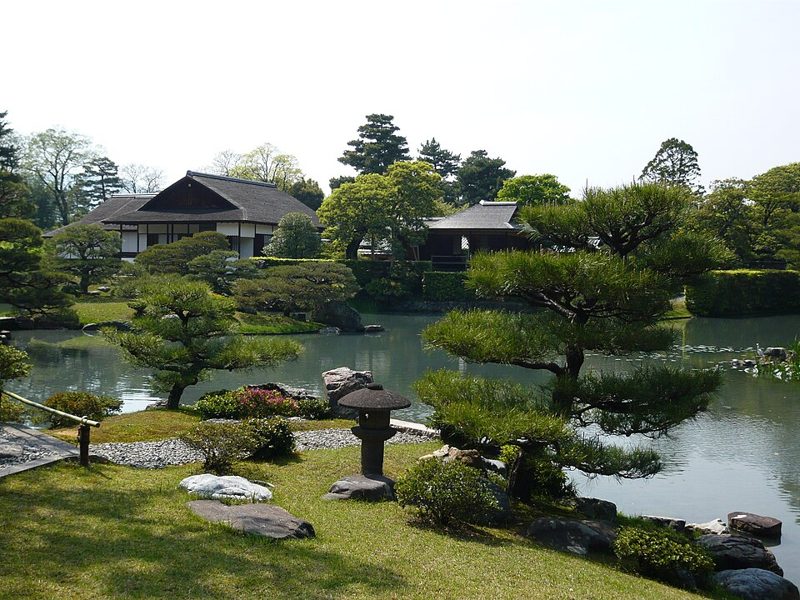 Katsura Imperial VillaKatsura, Nishikyo Ward, western Kyoto · Katsura Station (Hankyu Kyoto Line)Katsura Imperial Villa was developed over approximately 50 years, from around 1615 to about 1662, by Prince To
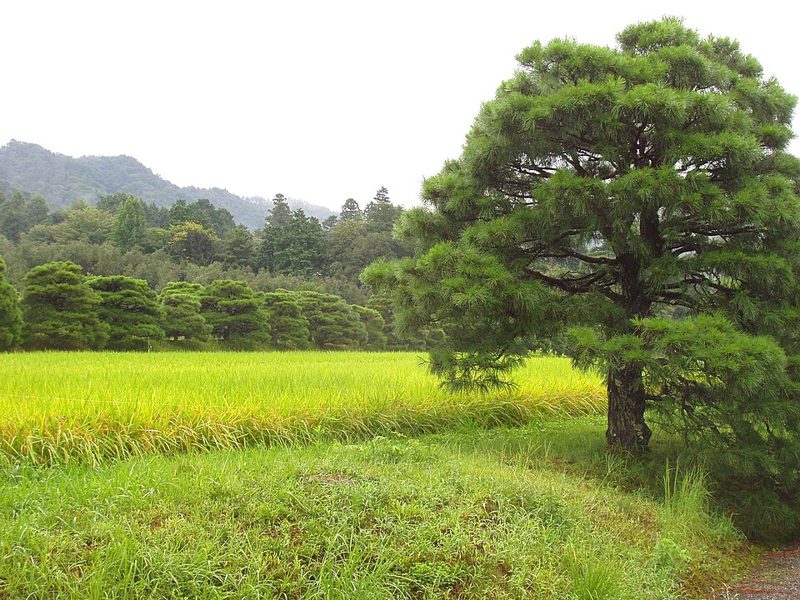 Shugakuin Imperial VillaShugakuin, Sakyo Ward, Kyoto · Shugakuin StationConstruction of Shugakuin Imperial Villa began in 1655 under the retired Emperor Go-Mizunoo, with the original
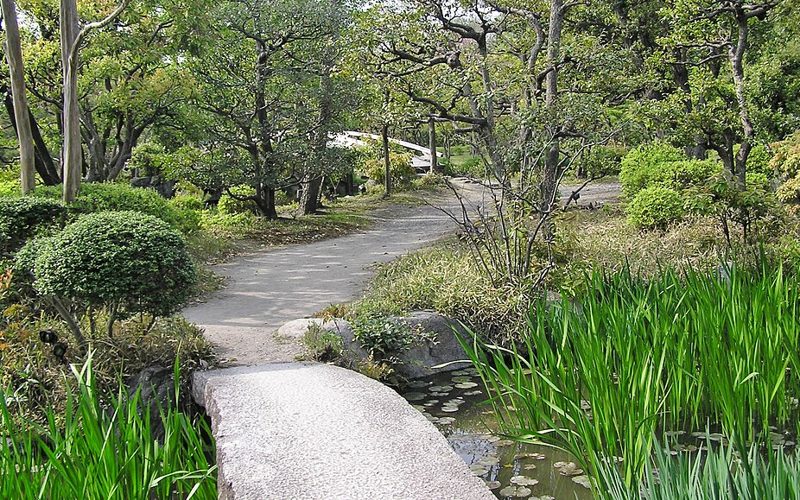 Shosei-en Garden (Kikoku-tei)Shimogyo Ward, Kyoto Station Area · Kyoto StationIn 1641, Tokugawa Iemitsu, the third Tokugawa shogun, donated land to Sennyo, the thirteenth head priest of Hi
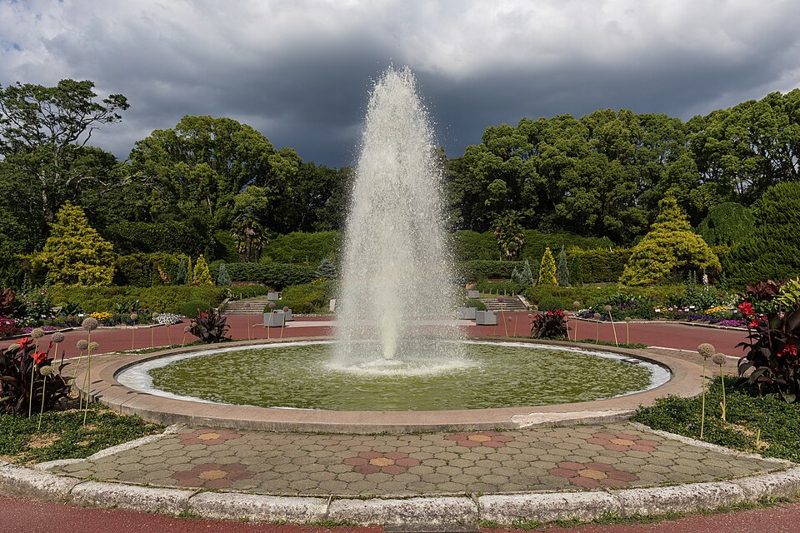 Kyoto Botanical GardenShimogamo and Kitayama, Sakyo Ward · Kitayama StationOpened on January 1, 1924, Kyoto Botanical Garden is Japan's oldest public botanical garden. Its approximately
Museums (6)
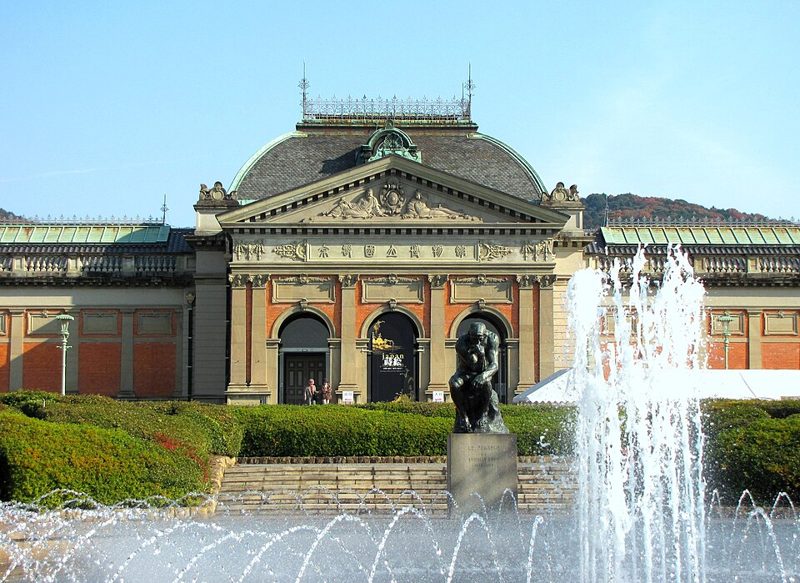 Kyoto National MuseumHigashiyama–Shichijo · ShichijoKyoto National Museum opened in 1897 to preserve and share the cultural treasures held by the old capital's te
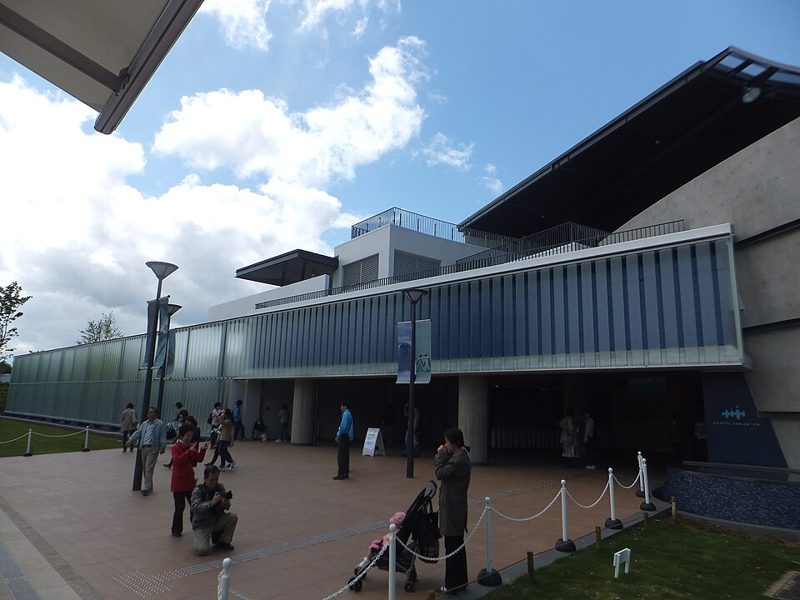 Kyoto AquariumUmekoji, Shimogyo Ward · Umekoji-Kyotonishi StationKyoto Aquarium opened on March 14, 2012, as Kyoto City's first large-scale inland aquarium. By its tenth anniv
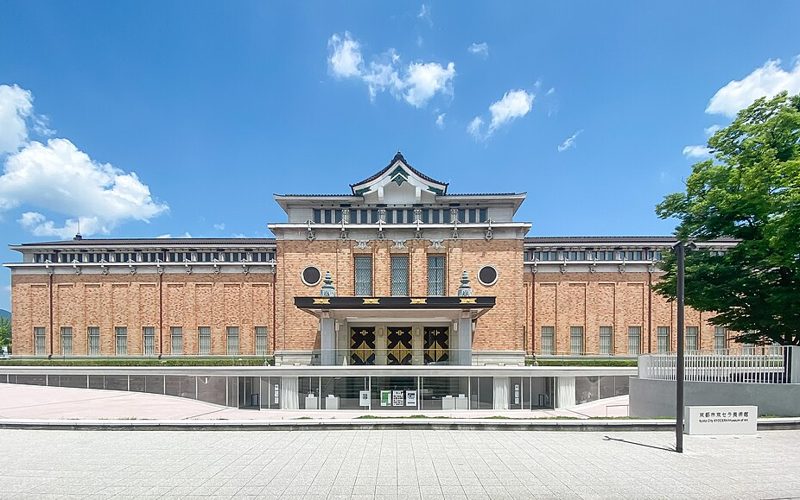 Kyoto City KYOCERA Museum of ArtOkazaki, Sakyo Ward · Higashiyama StationOpened in 1933 to commemorate the imperial enthronement ceremonies of 1928, the Kyoto City KYOCERA Museum of A
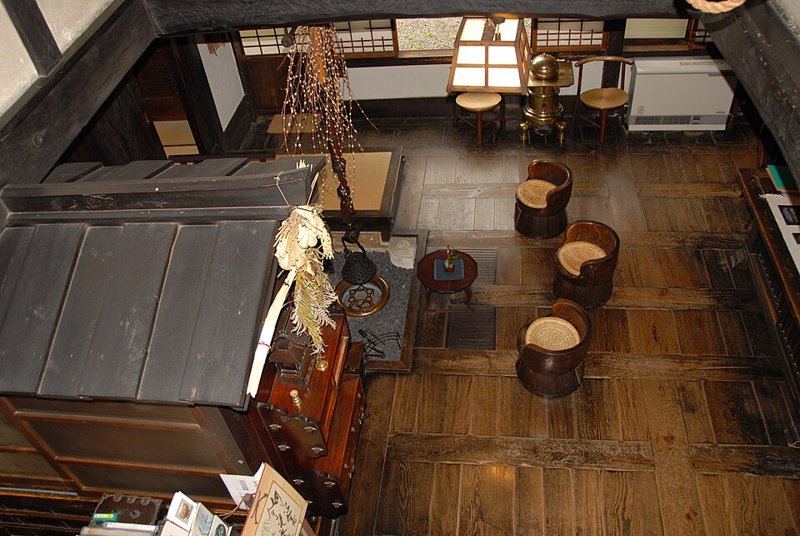 Kawai Kanjiro's House (Kawai Kanjiro Memorial Museum)Gojozaka, Higashiyama, Kyoto · Kiyomizu-Gojo Station (Keihan Main Line)In 1937, ceramic artist Kanjiro Kawai designed the Kyoto home and workshop where he would live until his death
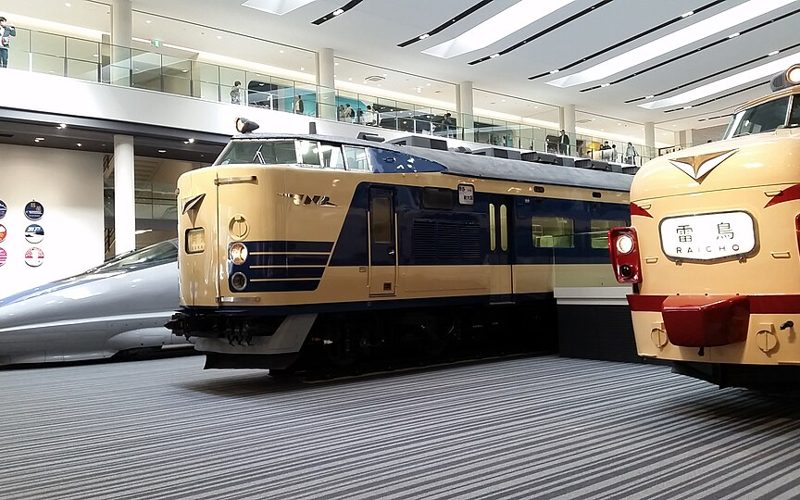 Kyoto Railway MuseumShimogyo Ward, Umekoji · Umekoji-Kyotonishi StationFifty-four railway vehicles, including the pioneering 0 Series Shinkansen, the 500 Series Shinkansen that oper
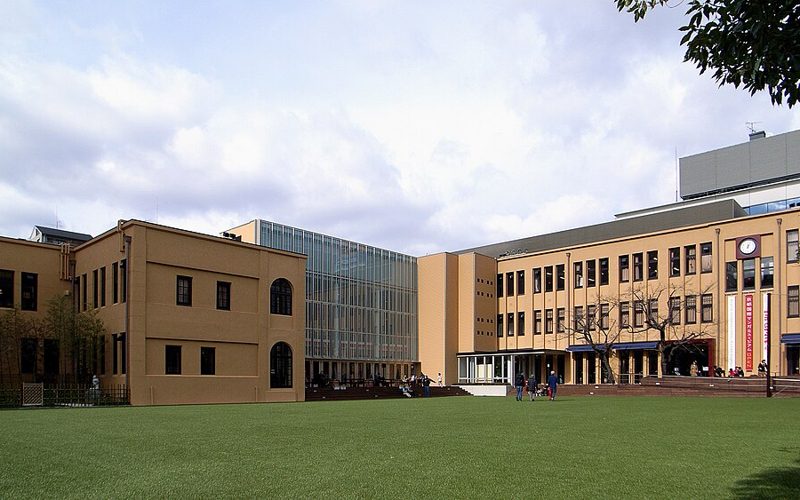 Kyoto International Manga MuseumNakagyo Ward, Karasuma Oike · Karasuma Oike StationA primary school established on November 1, 1869, has become a museum holding approximately 300,000 manga-rela
Pottery (1)
Kimono & textiles (4)
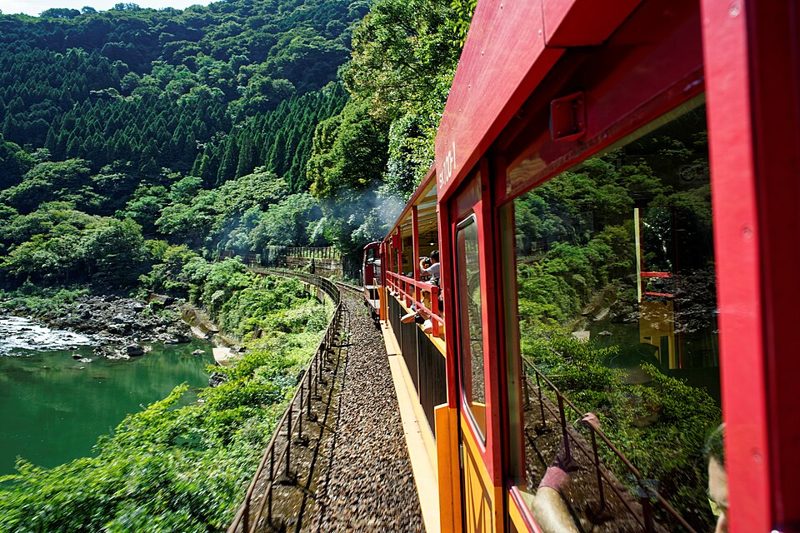 Sagano Romantic TrainSaga-Arashiyama and Hozu Gorge, Kyoto–Kameoka · JR Saga-Arashiyama StationSagano Scenic Railway began in 1990 with just nine people, using tracks made redundant by the double-tracking
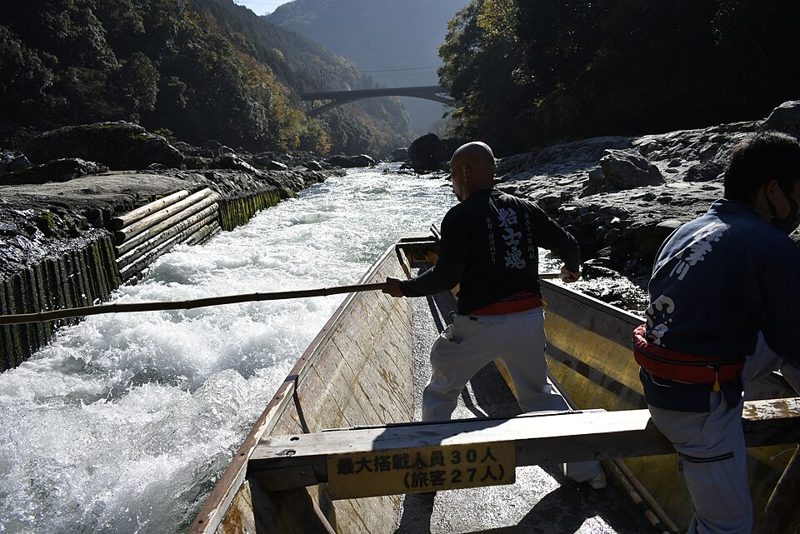 Hozugawa River Boat RideKameoka to Arashiyama, Kyoto Prefecture · Kameoka Station (JR Sagano Line)A 16-kilometer journey through the Hozugawa Gorge takes passengers from Kameoka to Arashiyama in approximately
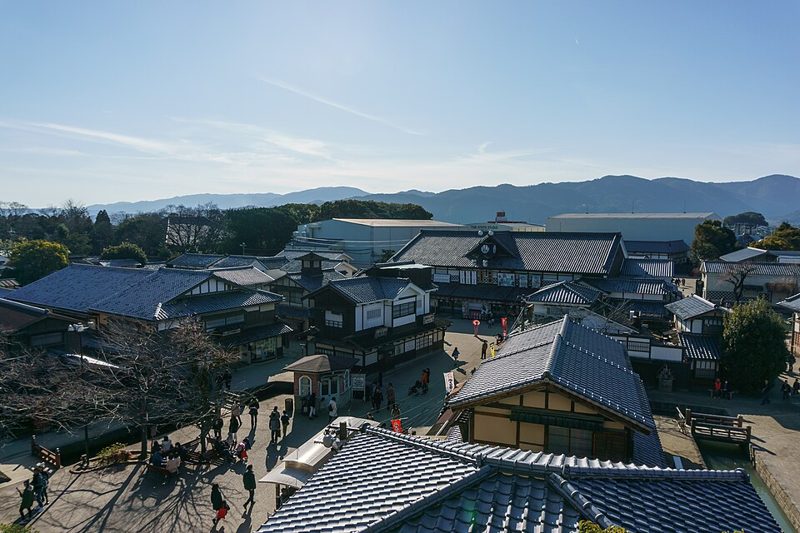 Uzumasa Kyoto Village (Toei Kyoto Studio Park)Uzumasa, Ukyo Ward, Kyoto · Uzumasa-Koryuji Station (Randen)On November 1, 1975, Toei opened a theme park where visitors could experience the world of Japanese period-dra
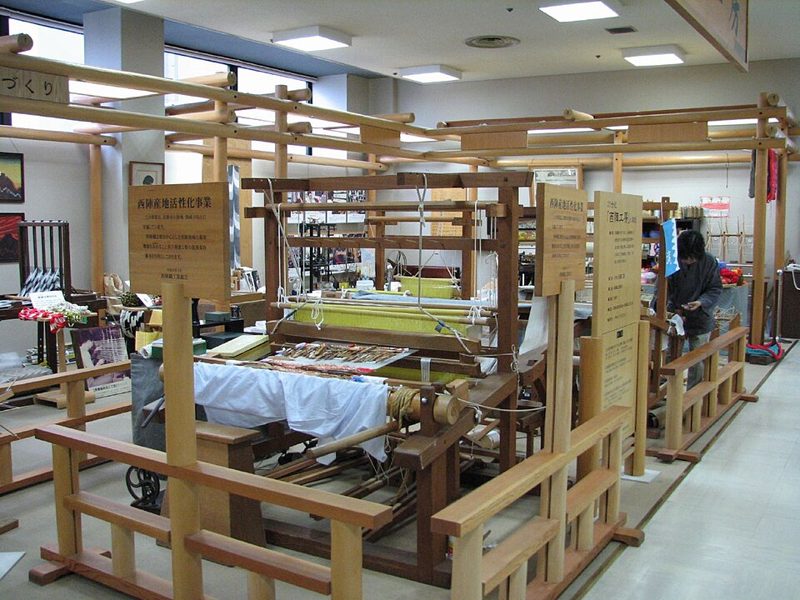 Nishijin Textile CenterNishijin, Kamigyo Ward, Kyoto · Imadegawa StationThe Nishijin district takes its name from the headquarters of the Western Army during the Onin War of 1467–147
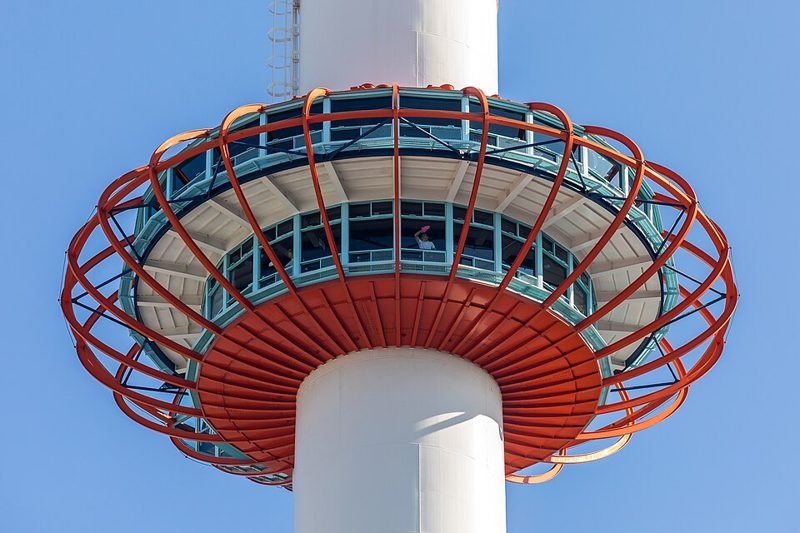 Nidec Kyoto TowerKyoto Station / To-ji · Kyoto