Sights & streets in Kyoto · Arashiyama / Sagano
Arashiyama Bamboo Grove and Togetsukyo Bridge
Staying nearby? Where to stay in Arashiyama for getting around →
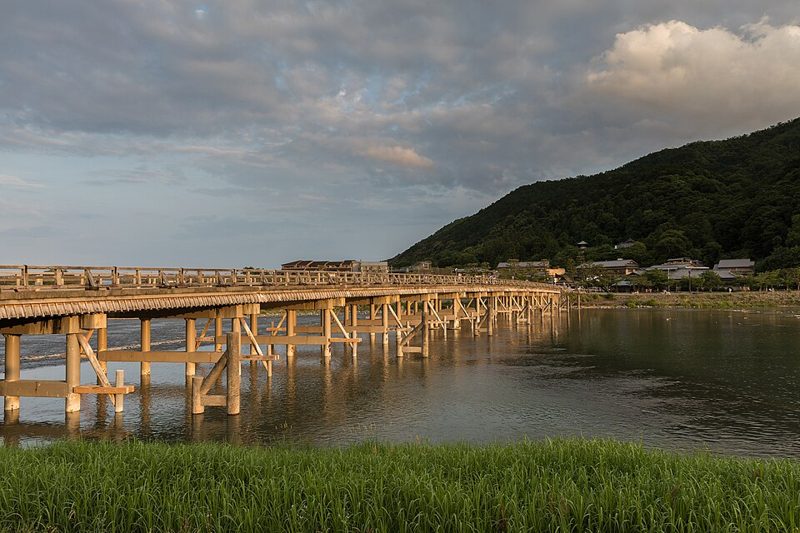
Two of Arashiyama's most recognizable sights are connected by the culture of Kyoto's imperial court. Togetsukyo Bridge takes its name from a poetic remark attributed to retired Emperor Kameyama, who watched the moon appear to cross the bridge. The surrounding Sagano district, including the Bamboo Grove, was once a favored retreat for Heian-period aristocrats. Walking between the bamboo and the Katsura River reveals how Kyoto has long embraced its surrounding mountains and waterways.
🎧 English audio guide (first track free): Arashiyama: Bamboo, Poetry, and a Bridge Across Time →Kyochika's take
Begin the morning beside Togetsukyo Bridge, enjoying the river and mountain views, then make your way toward Tenryu-ji and the Bamboo Grove. Allow around one hour for the bridge and bamboo path alone, or 2–3 hours if you also explore Tenryu-ji and Kameyama Park.
Hours, admission and access
- Access
- From Randen Arashiyama, approximately 2 minutes on foot to Togetsukyo Bridge and 10 minutes to the Bamboo Grove. From JR Saga-Arashiyama, approximately 13 minutes to the Bamboo Grove and 11 minutes to the bridge. From Hankyu Arashiyama, approximately 8 minutes to the bridge.
- Walking Route
- The Bamboo Grove path runs for approximately 400 meters from Nonomiya Shrine, past the north gate of Tenryu-ji Temple, toward Okochi Sanso Garden.
- Nearest station
- Arashiyama
Checked against official information on 2026-10-28. Details change, so check the official website before you go.
Sources: Kyoto City Official Tourism Guide: Bamboo Grove (Japanese), Kyoto City Official Tourism Guide: Togetsukyo Bridge (Japanese), Kyoto City Official Tourism Guide: Access to Saga and Arashiyama (Japanese)
 Pochikichi's story corner
Why Is Togetsukyo Known as the Moon-Crossing Bridge?
The history of Togetsukyo Bridge reaches back to the Heian period. According to Kyoto City's tourism information, the Buddhist monk Dosho is traditionally credited with building a bridge here during the Jowa era, between 834 and 848. The original crossing stood in a different position from today's bridge. The wealthy merchant Suminokura Ryoi is said to have later built a bridge at the present location. Flowing between Sagano and Arashiyama, the Katsura River has long been admired as a setting for enjoying the surrounding mountain scenery.
The name Togetsukyo, literally 'Moon-Crossing Bridge,' is associated with retired Emperor Kameyama. Tradition says that, while watching the moon move across the sky above the bridge, he compared it to a flawless moon crossing over. The present bridge was completed in June 1934, but the pleasure of seeing the river and mountains as one landscape remains much the same. Arashiyama Park extends around the crossing, and the opposite bank offers broad views of the mountain scenery.
The nearby Bamboo Grove is a path approximately 400 meters long, running from Nonomiya Shrine past Tenryu-ji's north gate toward Okochi Sanso Garden. Sagano is traditionally associated with the country villas of Heian-period aristocrats, while today's carefully maintained bamboo stands form a towering green corridor. Sunlight filters between the leaves on clear days, while overcast skies give the grove a surprisingly dim atmosphere even at midday. So, as you walk through the bamboo, look upward at the layers of leaves shifting and overlapping high above the path.
Sources: Kyoto City Official Tourism Guide: Togetsukyo Bridge (Japanese), Kyoto City Official Tourism Guide: Bamboo Grove (Japanese)
Long ago, around hereWhat Was Arashiyama Like Long Ago?
During the Heian period, Sagano was traditionally a favored location for aristocratic country villas away from the political center of the capital. With mountains and a river close together, it was an ideal place to experience the changing seasons. The origins of Togetsukyo Bridge lie in this period, while its name preserves a story about retired Emperor Kameyama admiring the moon. Both the river crossing and the paths leading into the bamboo belong to a landscape appreciated for its natural beauty over many centuries.
The tradition of rebuilding the bridge continued into the early Edo period, when Suminokura Ryoi is associated with a crossing at the present location. The bridge standing today was completed in the early Showa era. Arashiyama developed into one of Kyoto's best-known sightseeing districts in modern times, yet the Bamboo Grove path still links historic religious sites such as Tenryu-ji and Nonomiya Shrine. If you visit only to photograph the bamboo and immediately turn back, it is easy to miss the wider history of this landscape. So, before crossing Togetsukyo, stand beside the river and look at the relationship between the bridge, the water, and the mountains.
Sources: Kyoto City Official Tourism Guide: Saga and Arashiyama Area (Japanese), Kyoto City Official Tourism Guide: Togetsukyo Bridge (Japanese), Kyoto City Official Tourism Guide: Bamboo Grove (Japanese)
Lesser-Known Highlights
- The Bridge's Poetic Name
- Retired Emperor Kameyama is said to have compared the moon moving above the bridge to a flawless moon crossing the sky. A moment of courtly poetry lives on in the bridge's name.
- The 1934 Bridge
- The bridge is not an original structure from ancient times. The present crossing was completed in June 1934, bringing together an old name and modern construction.
- The Path from Nonomiya Shrine
- The Bamboo Grove links Nonomiya Shrine, Tenryu-ji's north gate, and Okochi Sanso Garden. It is more than a photo location: it is a walking route between historic religious and cultural sites.
- The Route Through Kameyama Park
- Kyoto's tourism authorities recommend Kameyama Park as an alternative route to avoid crowds. Approaching the Bamboo Grove through the park reveals a different side of the Arashiyama landscape.
Sources: Kyoto City Official Tourism Guide: Kyoto Visitor Etiquette (Japanese), Kyoto City Official Tourism Guide: Togetsukyo Bridge (Japanese), Kyoto City Official Tourism Guide: Bamboo Grove (Japanese)
Through the seasons
- Spring
- Cherry blossoms brighten the mountains of Arashiyama beyond Togetsukyo Bridge.
- Summer
- The mountains turn a vivid green, while sunlight filters through the bamboo leaves along the path.
- Autumn
- The mountains of Arashiyama turn shades of red and yellow. The ticketed Arashiyama Tsukitoro illumination event takes place from September 30 to November 8, 2026.
- Winter
- When snow falls, Togetsukyo Bridge and the Arashiyama mountains create a striking white landscape.
Good to know before you go
- The Bamboo Grove can become crowded during the day. Kyoto City recommends early-morning visits and alternative routes through Kameyama Park.
- The Kyoto City Tourism Association publishes live camera views and forecasts of visitor comfort levels by time of day.
- Nagatsuji-dori, the street leading toward Togetsukyo Bridge, can be crowded. Kyoto City asks pedestrians to remain on the sidewalks.
- Regular access to the Bamboo Grove is separate from ticketed evening illumination events. The 2026 Arashiyama Tsukitoro event has its own admission arrangements.
Next stop: book for later today PR
Experiences near here you can book on Klook.
Tea CeremonyTea ceremony and matcha making (TIA Arashiyama)→Rickshaw TourArashiyama rickshaw tour→Ad: Klook affiliate links.
🍜 Where to eat after
Restaurants near here on Google Maps→Many restaurants in Kyoto take reservations, and some are cash only. Check the restaurant page before you go.
Events nearby
Festival & seasonal event
Autumn Special Opening 2026 at Hogonin Temple
Hogonin Temple (Arashiyama Sta.)
Oct 3 (Sat) – Dec 6 (Sun) 09:00 – 17:00
Explore the Shishiku Garden, which incorporates the Arashiyama mountains into its scenery, and wall paintings by artist Noriko Tamura. Last admission to the garden is 4:45 PM; the main hall is open until 4:30 PM.
Details →Festival & seasonal event
Hogon-in Temple Autumn Night Illumination
Hogon-in Temple (Tenryuji) (Arashiyama Sta.)
Nov 13 (Fri) – Dec 6 (Sun) 17:30 – 20:30 (details on the official site)
The Shishiku garden of Hogon-in in Arashiyama is lit up at night for the autumn leaves. Night entry is separate from daytime visits; last entry 8:00 PM.
Details →Art exhibition
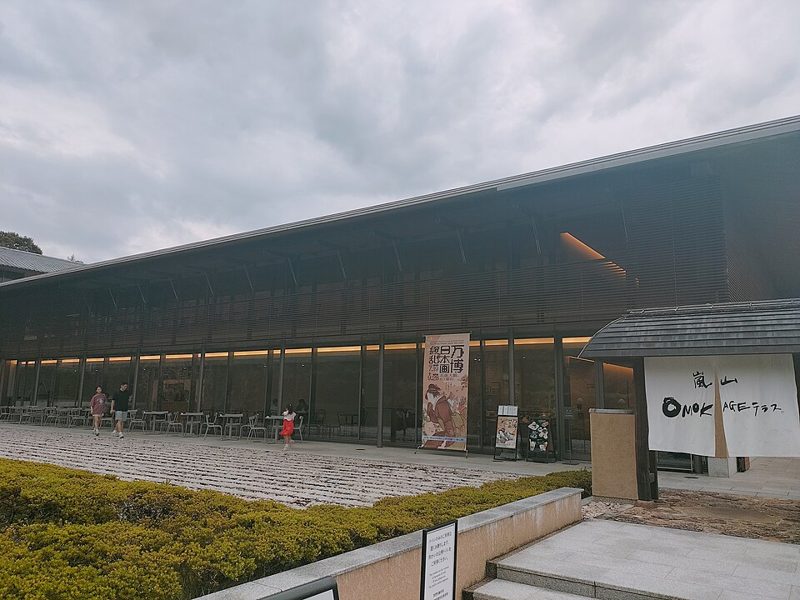
Discover Kyoto Through Art — See More, Enjoy More at Saga Arashiyama Museum of Arts and Culture
Saga Arashiyama Museum of Arts and Culture (Arashiyama Sta.)
Oct 3 (Sat) – Feb 28 (Sun) 10:00 – 17:00
Explore artworks depicting Kyoto's seasonal traditions and culture. Displays change between the first and second exhibition periods, featuring subjects such as geiko and maiko, Kyoto vegetables, and traditional Japanese confectionery wrappers.
Details →Art exhibition
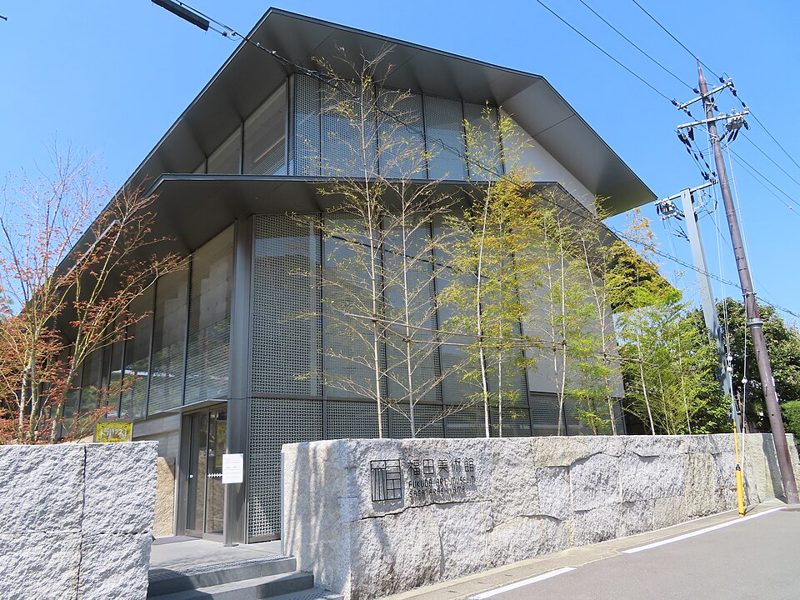
Forms of Love — The Rediscovered Erotic Scroll Chigo Zoshi at Fukuda Art Museum
Fukuda Art Museum (Arashiyama Sta.)
Sep 19 (Sat) – Jan 17 (Sun) 10:00 – 17:00
An exhibition of Japanese art highlighting the erotic illustrated scroll Chigo Zoshi. Visitors under 18 are not permitted. Some works will change between the first and second exhibition periods.
Details →Festival & seasonal event
Sagano Scenic Railway Light Fantasy Train (Autumn Foliage Light-up)
Sagano Scenic Railway (Torokko Saga to Torokko Kameoka) (Saga-Arashiyama Sta.)
Oct 24 (Sat) – Dec 29 (Tue) 16:30 – 19:28
Autumn leaves and mountains along the Hozu Gorge are lit after dark for views from the train windows. The current cars retire on December 29, so this is the last season to ride them. Lights on from the 4:30 PM departure from Torokko Kameoka.
Details →Market
Arashiyama Little Forest Connect Marche (Nishikyo CONNECT) at River Plaza by Hankyu Arashiyama Station
River Plaza by Hankyu Arashiyama Station (Arashiyama Sta.)
Dec 5 (Sat) 10:00 – 16:00 (details on the official site)
A one-day market for the 50th anniversary of Nishikyo Ward, gathering selected local cafes and bakeries beside Hankyu Arashiyama Station.
Details →
Tips from visitors
Been here? Leave a short tip for the next traveler — in any language. No name, no sign-up.
Thank you! We check every tip by hand and post it within a day or two.
How we post tips: we read every one before it goes up. We remove swear words, insults, ads, links and anything that could identify a person. Tips are shown in the language they were written in, with a translate link. Kyochika never writes or pays for tips, and there are no star ratings.
FAQ
- What is Arashiyama Bamboo Grove and Togetsukyo Bridge?
- Two of Arashiyama's most recognizable sights are connected by the culture of Kyoto's imperial court. Togetsukyo Bridge takes its name from a poetic remark attributed to retired Emperor Kameyama, who watched the moon appear to cross the bridge. The surrounding Sagano district, including the Bamboo Grove, was once a favored retreat for Heian-period aristocrats. Walking between the bamboo and the Katsura River reveals how Kyoto has long embraced its surrounding mountains and waterways.
- Access at Arashiyama Bamboo Grove and Togetsukyo Bridge?
- From Randen Arashiyama, approximately 2 minutes on foot to Togetsukyo Bridge and 10 minutes to the Bamboo Grove. From JR Saga-Arashiyama, approximately 13 minutes to the Bamboo Grove and 11 minutes to the bridge. From Hankyu Arashiyama, approximately 8 minutes to the bridge.
- Walking Route at Arashiyama Bamboo Grove and Togetsukyo Bridge?
- The Bamboo Grove path runs for approximately 400 meters from Nonomiya Shrine, past the north gate of Tenryu-ji Temple, toward Okochi Sanso Garden.