Museums in Kyoto · Higashiyama–Shichijo
Kyoto National Museum
Staying nearby? Where to stay in Kyoto Station for getting around →
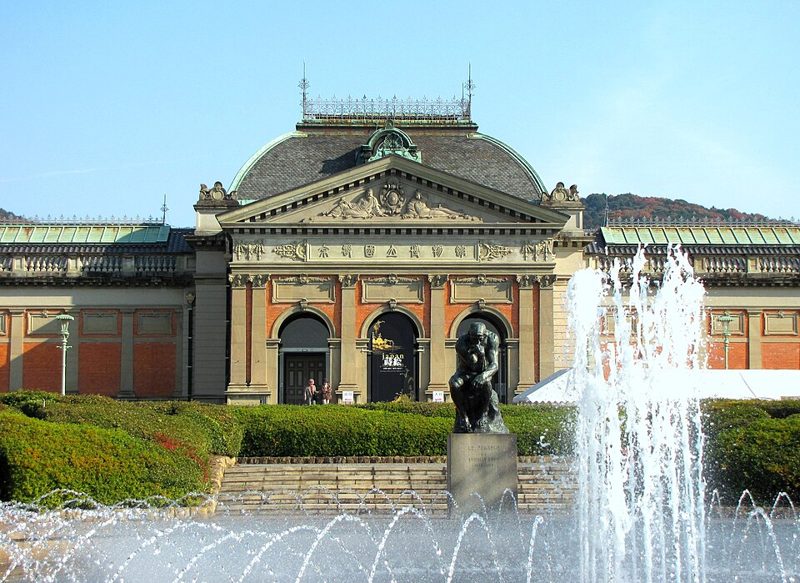
Kyoto National Museum opened in 1897 to preserve and share the cultural treasures held by the old capital's temples and shrines. Its French-inspired red-brick Meiji Kotokan faces the modern Heisei Chishinkan gallery designed by architect Taniguchi Yoshio. From Buddhist sculptures and painted scrolls to ceramics and textiles, the museum reveals what Kyoto's artists created and what successive generations chose to preserve.
Kyochika's take
Begin with the exhibitions in Heisei Chishinkan, then explore the gardens and admire the exterior of the historic Meiji Kotokan. Allow approximately 90–120 minutes, with extra time for special exhibitions that particularly interest you. Pairing the museum with Sanjusangen-do or Chishaku-in Temple offers a chance to compare Buddhist art in galleries with the religious spaces for which such works were created.
Hours, admission and access
- Hours
- During Heisei Chishinkan Collection Gallery and garden-only periods: 9:30–17:00, Fridays 9:30–20:00. Last admission 30 minutes before closing. Special exhibition October 6–November 29, 2026: 9:00–17:30, Fridays 9:00–20:00. Last admission 30 minutes before closing.
- Closed
- Mondays (open on national holidays, closed the following Tuesday instead). Closed December 28, 2026–January 1, 2027. Additional temporary closures may apply.
- Admission
- Collection Galleries: adults ¥700, university students ¥350; high school students and younger, visitors under 18, and visitors aged 70 or older free. Garden-only admission: adults ¥300, university students ¥150; high school students and younger, visitors under 18, and visitors aged 70 or older free. Special exhibition The Tale of Genji: The Splendor of the Imperial Court (October 6–November 29, 2026): adults ¥2,200, university students ¥1,200, high school students ¥700, junior high school students and younger free.
- Access
- Approximately 7 minutes east on foot from Shichijo on the Keihan Main Line. From Kyoto, take Kyoto City Bus 206 or 208 and get off at Hakubutsukan Sanjusangendo-mae, immediately outside the museum.
- Nearest station
- Shichijo
Checked against official information on 2026-10-28. Details change, so check the official website before you go.
Sources: Kyoto National Museum: Hours, Closures, and Admission, Kyoto National Museum: Access, Kyoto National Museum: Buildings and Facilities
 Pochikichi's story corner
Why was Kyoto's great museum founded to protect the treasures of temples and shrines?
The Meiji Restoration changed Kyoto profoundly. With the center of government moving to Tokyo, religious institutions faced new economic pressures and government policies. The preservation of centuries-old Buddhist sculptures, paintings, ritual objects, and other treasures became an increasingly urgent concern. In 1889, a national system was established for imperial museums in Tokyo, Kyoto, and Nara. In Kyoto, a site in the Shichijo area was selected for a museum dedicated to collecting, protecting, studying, and displaying cultural heritage.
The Imperial Kyoto Museum opened on May 1, 1897. Its main building was designed by Katayama Tokuma, an architect working for the Imperial Household Ministry. The red-brick structure incorporated French Renaissance and Baroque influences, creating a striking Western-style landmark in a city famous for temples and traditional architecture. In 1900, the institution was renamed the Kyoto Imperial Household Museum, eventually becoming Kyoto National Museum.
In 2014, the Heisei Chishinkan opened, designed by architect Taniguchi Yoshio. Most exhibitions are now held in this modern building, while the historic Meiji Kotokan is normally closed to the public. Yet the museum's original mission remains unchanged: to safeguard Kyoto's cultural heritage and make it accessible to new generations. Before entering the galleries, compare the two buildings facing one another, each expressing a different chapter in Japan's museum history.
Sources: Kyoto National Museum: Museum Profile, Kyoto National Museum: Buildings and Facilities, Kyoto National Museum: The Story of the Museum — Beginnings, Kyoto National Museum: The Story of the Museum — The Future
Long ago, around hereWhat was this area before the museum was built?
The museum occupies land formerly known as the Shichijo Imperial Estate. In 1890, the site of the former Kyomei Palace was selected for the new museum. The surrounding Higashiyama-Shichijo district had long been associated with religious institutions and the imperial family. Directly across the road stands Sanjusangen-do Temple, closely connected with the retired Emperor Go-Shirakawa and the system of imperial cloistered rule. This historic concentration of temples and imperial heritage made the area a meaningful location for a museum dedicated to Kyoto's cultural treasures.
Construction of the museum's main building began in 1892 and was completed in 1895. Its Western-style red-brick architecture stood in striking contrast to the traditional Buddhist buildings nearby, capturing Kyoto's transformation during the Meiji era. Today, the museum gardens display stone Buddhist figures, architectural fragments, and other historic stone objects. As you walk along Shichijo Street, compare the architecture of Sanjusangen-do with the museum's red-brick facade.
Sources: Kyoto National Museum: Museum Profile, Kyoto National Museum: Buildings and Facilities, Kyoto National Museum: Outdoor Exhibits (Japanese)
Lesser-known things to discover
- Meiji Kotokan
- The red-brick museum building opened in 1897, designed by Katayama Tokuma. It is an Important Cultural Property, although it is not currently used for exhibitions.
- Heisei Chishinkan
- The modern exhibition building designed by Taniguchi Yoshio and opened in 2014. Its clean lines and carefully controlled natural light create an elegant setting for cultural treasures.
- Rodin's The Thinker
- A cast of Auguste Rodin's famous sculpture stands near the fountain in front of Meiji Kotokan, creating a memorable contrast with the historic red-brick facade.
- Stone Objects in the West Garden
- Buddhist stone sculptures, foundation stones, bridge pillars, and other objects reveal how architectural fragments can become museum exhibits.
- East Garden
- Historic stone objects from the Korean Peninsula are displayed here, offering a perspective on the cultural connections between Japan and the wider East Asian world.
Sources: Kyoto National Museum: Buildings and Facilities, Kyoto National Museum: Outdoor Exhibits (Japanese)
Through the seasons
- Spring
- The museum has announced a garden-only opening period from March 24 to April 18, 2027.
- Summer
- The Collection Galleries were open from July 14 to September 6, 2026.
- Autumn
- The special exhibition The Tale of Genji: The Splendor of the Imperial Court runs from October 6 to November 29, 2026.
- Winter
- Collection Gallery opening periods are scheduled for December 22–27, 2026, and January 2–March 22, 2027.
Good to know before you go
- During special exhibitions, it is not possible to purchase admission to the Collection Galleries alone.
- During garden-only opening periods, the exhibition galleries are closed.
- Meiji Kotokan is not currently used for exhibitions because of plans for seismic isolation improvements and other renovation work.
- Opening hours and admission charges differ between special exhibitions and regular Collection Gallery periods.
- Floor maps of Heisei Chishinkan are available in several languages, including English, Chinese, Korean, and Spanish.
Next stop: book for later today PR
Experiences near here you can book on Klook.
Gion Walking TourGion and Yasaka Pagoda small-group walking tour→Sushi CookingHands-on sushi workshop in English→Ad: Klook affiliate links.
🍜 Where to eat after
Restaurants near here on Google Maps→Many restaurants in Kyoto take reservations, and some are cash only. Check the restaurant page before you go.
Events nearby
Art exhibition
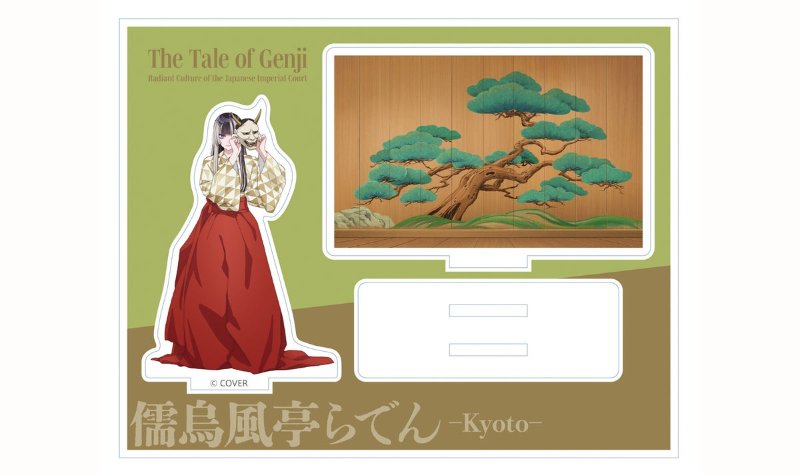
Special Exhibition: The Tale of Genji — Splendor of the Imperial Court at Kyoto National Museum
Kyoto National Museum, Heisei Chishinkan Wing (Shichijo Sta.)
Oct 6 (Tue) – Nov 29 (Sun) 09:00 – 17:30
Open until 8:00 PM on Fridays. A major rotation of exhibits takes place on November 3. The National Treasure Tale of Genji Scrolls will be displayed during different periods depending on the scenes.
Details →Art exhibition
New Year Special Exhibition: All About Sheep — Celebrating the Zodiac at Kyoto National Museum
Kyoto National Museum, Heisei Chishinkan Wing, Gallery 2F-2 (Shichijo Sta.)
Dec 22 (Tue) – Feb 7 (Sun) 09:30 – 17:00
Discover cultural treasures featuring sheep, the zodiac animal of 2027. Open until 8:00 PM on Fridays. The same admission ticket provides access to all exhibitions in the Heisei Chishinkan Wing on the day of your visit.
Details →Art exhibition
Special Feature: Tea Utensils and Their Accompaniments (Kyoto National Museum)
Kyoto National Museum (Shichijo Sta.)
Dec 22 (Tue) – Mar 22 (Mon) 9:30 – 17:00 (Fridays until 20:00); last entry 30 min before closing
A feature exhibition of tea utensils with their boxes, pouches and other accompaniments. Open until 8:00 PM on Fridays; last entry 30 minutes before closing.
Details →Festival & seasonal event
Chisan Momijitsuki: Autumn Leaves Light-up at Chishakuin
Chishakuin Temple (Shichijo Sta.)
Nov 7 (Sat) – Dec 6 (Sun) 17:00 – 21:00
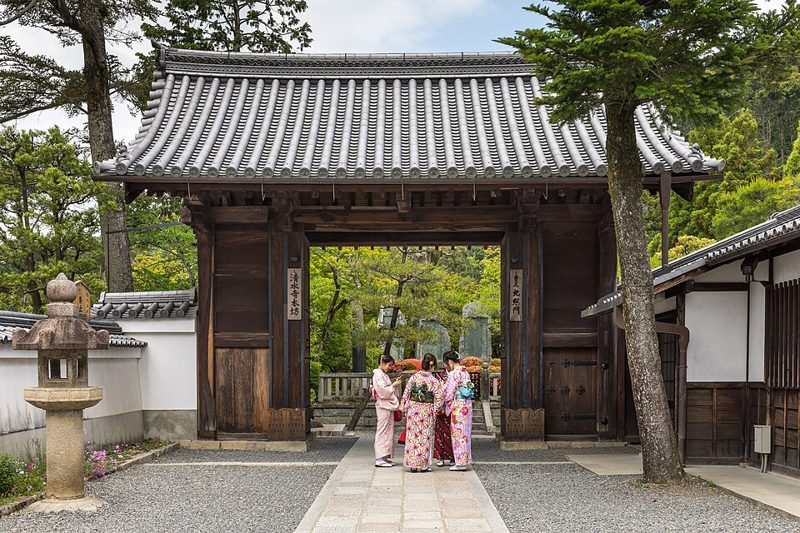
A new autumn light-up at Chishakuin, head temple of the Chisan school of Shingon Buddhism. Colored maples are joined by 3,000 bamboo lanterns filling the grounds and a sea of mist clouds, created by the team behind Arashiyama Tsukitoro and Toji Tsukikairo. Last entry 8:40 PM; tickets on sale daily from 5:00 PM on the grounds.
Details →Art exhibition
Kyoto Special Opening of Cultural Properties: Kushoin, a sub-temple of Kenninji
Kushoin (Kenninji sub-temple) (Gion-Shijo Sta.)
Nov 13 (Fri) – Nov 30 (Mon) Last entry 16:00
This Kenninji sub-temple opens for the autumn special openings: the abbot's hall and its garden, a statue of founder Sanko Shoeki, the study hall Koshoken, the tea room Enshu Betsugonoseki, and a painting of the Battle of Nagashino by Ukita Ikkei. About 8 minutes on foot from Gion-Shijo Station on the Keihan line.
Details →Festival & seasonal event
Autumn Special Night Viewing at Kiyomizu-dera Temple
Kiyomizu-dera Temple (Kiyomizu-Gojo Sta.)
Nov 21 (Sat) – Nov 30 (Mon) 17:30 – 21:30
Special evening viewing with illuminated autumn foliage in Kin'un Gorge and the National Treasure Main Hall. Last admission at 9:00 PM; gates close at 9:30 PM.
Details →
Tips from visitors
Been here? Leave a short tip for the next traveler — in any language. No name, no sign-up.
Thank you! We check every tip by hand and post it within a day or two.
How we post tips: we read every one before it goes up. We remove swear words, insults, ads, links and anything that could identify a person. Tips are shown in the language they were written in, with a translate link. Kyochika never writes or pays for tips, and there are no star ratings.
FAQ
- What is Kyoto National Museum?
- Kyoto National Museum opened in 1897 to preserve and share the cultural treasures held by the old capital's temples and shrines. Its French-inspired red-brick Meiji Kotokan faces the modern Heisei Chishinkan gallery designed by architect Taniguchi Yoshio. From Buddhist sculptures and painted scrolls to ceramics and textiles, the museum reveals what Kyoto's artists created and what successive generations chose to preserve.
- Hours at Kyoto National Museum?
- During Heisei Chishinkan Collection Gallery and garden-only periods: 9:30–17:00, Fridays 9:30–20:00. Last admission 30 minutes before closing. Special exhibition October 6–November 29, 2026: 9:00–17:30, Fridays 9:00–20:00. Last admission 30 minutes before closing.
- Closed at Kyoto National Museum?
- Mondays (open on national holidays, closed the following Tuesday instead). Closed December 28, 2026–January 1, 2027. Additional temporary closures may apply.
- Admission at Kyoto National Museum?
- Collection Galleries: adults ¥700, university students ¥350; high school students and younger, visitors under 18, and visitors aged 70 or older free. Garden-only admission: adults ¥300, university students ¥150; high school students and younger, visitors under 18, and visitors aged 70 or older free. Special exhibition The Tale of Genji: The Splendor of the Imperial Court (October 6–November 29, 2026): adults ¥2,200, university students ¥1,200, high school students ¥700, junior high school students and younger free.
- Access at Kyoto National Museum?
- Approximately 7 minutes east on foot from Shichijo on the Keihan Main Line. From Kyoto, take Kyoto City Bus 206 or 208 and get off at Hakubutsukan Sanjusangendo-mae, immediately outside the museum.