Special Exhibition: The Tale of Genji — Splendor of the Imperial Court at Kyoto National Museum
- Dates
- Oct 6 (Tue) – Nov 29 (Sun)
- Hours
- 09:00 – 17:30
- Price
- Adults ¥2,200; university students ¥1,200; high school students ¥700; junior high school students and younger free
- Where
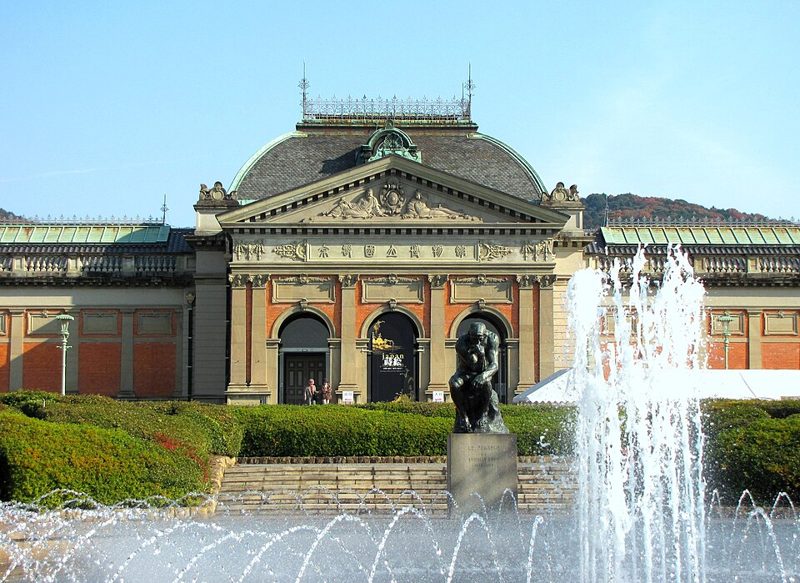
- Kyoto National Museum, Heisei Chishinkan Wing (Shichijo)
One more nearbyNew Year Special Exhibition: All About Sheep — Celebrating the Zodiac at Kyoto National Museum0.0 km · Dec 22 (Tue) – Feb 7 (Sun)More on Kyochika53 more · Art exhibition in KyotoFree audio guidesSights in Kyoto with walk-and-talk audio guides

All five surviving Teika manuscript volumes together for the first time, November 3–15.
Good to know
Open until 8:00 PM on Fridays. A major rotation of exhibits takes place on November 3. The National Treasure Tale of Genji Scrolls will be displayed during different periods depending on the scenes.
- Dates
- Oct 6 (Tue) – Nov 29 (Sun)
- Hours
- 09:00 – 17:30
- Venue
- Kyoto National Museum, Heisei Chishinkan Wing
- Nearest station
- Shichijo
- Admission
- Adults ¥2,200; university students ¥1,200; high school students ¥700; junior high school students and younger free
About this event
For the first time ever, all five surviving volumes of the Teika manuscript tradition of The Tale of Genji are brought together. This exhibition explores the celebrated novel by Murasaki Shikibu through manuscripts, painted scrolls and decorative arts. Highlights include two scenes from the National Treasure Illustrated Scroll of The Tale of Genji, Hashihime and Yadorigi III, on loan from the Tokugawa Art Museum and shown exclusively in Kyoto. Visitors can compare the texts associated with Fujiwara no Teika with artworks that brought the story to life visually. It is a rare opportunity to see how one of Japan's greatest literary works inspired generations of artists.
Highlights
- All five surviving Teika manuscript volumes together for the first time, November 3–15.
- National Treasure Hashihime scroll scene, on display November 3–15.
- National Treasure Yadorigi III scroll scene, on display November 17–29.
- Compare handwritten manuscripts with pictorial interpretations of Genji.
- Good for
- For lovers of Japanese literature, classical painting and Heian-period culture.
Good to know before you go
- Major works rotate during the exhibition. Check the display dates before visiting.
- University and high school students must show student ID. Proof of eligibility is required for free admission.
- Some works change outside the main early and late exhibition periods.
Pochikichi's story cornerWhy do different versions of The Tale of Genji survive?
The Tale of Genji, written by Murasaki Shikibu, follows the romantic relationships and lives of people at the imperial court, particularly the nobleman Hikaru Genji. Its survival across the centuries depended on handwritten copies that passed from one generation to another.
Before books could be mass-produced through printing, manuscripts were copied by hand. This process preserved literary works but could also introduce omissions, changes and copying mistakes. Different textual traditions emerged, making the study of old manuscripts essential to understanding the novel's history.
Among the most important is the Teika manuscript tradition, associated with Fujiwara no Teika. This exhibition brings together all five surviving volumes for the first time. These manuscripts show that a literary masterpiece is not merely a collection of words but also a physical cultural treasure.
The story also inspired magnificent illustrated scrolls. The National Treasure Illustrated Scroll of The Tale of Genji transforms literary scenes into paintings that communicate emotions through composition, colour and delicate lines. That is why the handwritten Teika manuscripts and the National Treasure scroll should be appreciated together.
Sources: Kyoto National Museum — Exhibition overview and highlights (Japanese)
Also nearby
Within walking distance, with dates overlapping
Next stop: book for later today PR
Experiences near here you can book on Klook.
Gion Walking TourGion and Yasaka Pagoda small-group walking tour→Sushi CookingHands-on sushi workshop in English→Ad: Klook affiliate links.
🍜 Where to eat after
Restaurants near here on Google Maps→Many restaurants in Kyoto take reservations, and some are cash only. Check the restaurant page before you go.
FAQ
- What is Special Exhibition: The Tale of Genji — Splendor of the Imperial Court at Kyoto National Museum?
- For the first time ever, all five surviving volumes of the Teika manuscript tradition of The Tale of Genji are brought together. This exhibition explores the celebrated novel by Murasaki Shikibu through manuscripts, painted scrolls and decorative arts. Highlights include two scenes from the National Treasure Illustrated Scroll of The Tale of Genji, Hashihime and Yadorigi III, on loan from the Tokugawa Art Museum and shown exclusively in Kyoto. Visitors can compare the texts associated with Fujiwara no Teika with artworks that brought the story to life visually. It is a rare opportunity to see how one of Japan's greatest literary works inspired generations of artists.
- When is Special Exhibition: The Tale of Genji — Splendor of the Imperial Court at Kyoto National Museum?
- From Oct 6 (Tue) to Nov 29 (Sun), 2026.
- What are the opening hours?
- 09:00 – 17:30
- How much does it cost?
- Adults ¥2,200; university students ¥1,200; high school students ¥700; junior high school students and younger free
- Where is it and what is the nearest station?
- Kyoto National Museum, Heisei Chishinkan Wing. The nearest station is Shichijo.
More in Kyoto
Art exhibition
New Year Special Exhibition: All About Sheep — Celebrating the Zodiac at Kyoto National Museum
Kyoto National Museum, Heisei Chishinkan Wing, Gallery 2F-2 (Shichijo Sta.)
Dec 22 (Tue) – Feb 7 (Sun) 09:30 – 17:00
Discover cultural treasures featuring sheep, the zodiac animal of 2027. Open until 8:00 PM on Fridays. The same admission ticket provides access to all exhibitions in the Heisei Chishinkan Wing on the day of your visit.
Details →Art exhibition
Special Feature: Tea Utensils and Their Accompaniments (Kyoto National Museum)
Kyoto National Museum (Shichijo Sta.)
Dec 22 (Tue) – Mar 22 (Mon) 9:30 – 17:00 (Fridays until 20:00); last entry 30 min before closing
A feature exhibition of tea utensils with their boxes, pouches and other accompaniments. Open until 8:00 PM on Fridays; last entry 30 minutes before closing.
Details →Festival & seasonal event
Chisan Momijitsuki: Autumn Leaves Light-up at Chishakuin
Chishakuin Temple (Shichijo Sta.)
Nov 7 (Sat) – Dec 6 (Sun) 17:00 – 21:00
A new autumn light-up at Chishakuin, head temple of the Chisan school of Shingon Buddhism. Colored maples are joined by 3,000 bamboo lanterns filling the grounds and a sea of mist clouds, created by the team behind Arashiyama Tsukitoro and Toji Tsukikairo. Last entry 8:40 PM; tickets on sale daily from 5:00 PM on the grounds.
Details →Art exhibition
Kyoto Special Opening of Cultural Properties: Kushoin, a sub-temple of Kenninji
Kushoin (Kenninji sub-temple) (Gion-Shijo Sta.)
Nov 13 (Fri) – Nov 30 (Mon) Last entry 16:00
This Kenninji sub-temple opens for the autumn special openings: the abbot's hall and its garden, a statue of founder Sanko Shoeki, the study hall Koshoken, the tea room Enshu Betsugonoseki, and a painting of the Battle of Nagashino by Ukita Ikkei. About 8 minutes on foot from Gion-Shijo Station on the Keihan line.
Details →Festival & seasonal event
Autumn Special Night Viewing at Kiyomizu-dera Temple
Kiyomizu-dera Temple (Kiyomizu-Gojo Sta.)
Nov 21 (Sat) – Nov 30 (Mon) 17:30 – 21:30
Special evening viewing with illuminated autumn foliage in Kin'un Gorge and the National Treasure Main Hall. Last admission at 9:00 PM; gates close at 9:30 PM.
Details →Art exhibition
Autumn 2026 Exhibition: Sakamoto Ryoma and the Satsuma-Choshu Alliance at Ryozen Museum of History
Ryozen Museum of History (Bakumatsu Ishin Museum) (Gion-Shijo Sta.)
Sep 16 (Wed) – Nov 23 (Mon) Last entry 17:00. Closed Mondays (open November 2 and 23)
An exhibition for the 190th anniversary of Sakamoto Ryoma's birth and the 160th anniversary of the Satsuma-Choshu Alliance. It introduces recent research that re-examines Ryoma's role using records from Satsuma, Choshu and the shogunate. The second period runs from October 27.
Details →