Kyoto autumn leaves 2026: 53 temple light-ups & fall foliage events (dates, hours, prices)
Autumn foliage viewing and evening temple light-ups in Kyoto, with dates, hours and prices from the official announcements.
As of Nov 11: 53 events, 4 free.
Quick answer
As of Nov 11 (Wed), Kyochika lists 53 matching events in Kyoto, 4 of them free. Highlights: Autumn Special Opening 2026 at Hogonin Temple (Hogonin Temple, Oct 3 (Sat) – Dec 6 (Sun)); Kodaiji Autumn Night Illumination (Kodaiji Temple, Oct 23 (Fri) – Dec 13 (Sun)); Toji Autumn Illumination and Special Night Viewing of Kondo and Kodo Halls (Toji Temple (Kyo-o-gokoku-ji), Oct 31 (Sat) – Dec 13 (Sun)). Every listing is checked against the official page, with hours, prices and nearest stations.
At a glance
53 events · 4 free · 0 for kids
Festival & seasonal event 48 · Art exhibition 3 · Food event 1 · Market 1
Highlights
- Autumn Special Opening 2026 at Hogonin Temple Hogonin Temple · Oct 3 (Sat) – Dec 6 (Sun)
- Kodaiji Autumn Night Illumination Kodaiji Temple · Oct 23 (Fri) – Dec 13 (Sun)
- Toji Autumn Illumination and Special Night Viewing of Kondo and Kodo Halls Toji Temple (Kyo-o-gokoku-ji) · Oct 31 (Sat) – Dec 13 (Sun)
- WONDER NIGHT JINGU: Gekka (Heian Shrine) Heian Shrine · Nov 2 (Mon) – Nov 29 (Sun)
- 2026 Special Autumn Foliage Viewing at Enkoji Temple Enkoji Temple · Nov 10 (Tue) – Dec 10 (Thu)
Festival & seasonal event
Daitokuji Jukoin Autumn Special Opening
Jukoin, Daitokuji Temple (Kitaoji Sta.)
Sep 18 (Fri) – Dec 6 (Sun) Last entry 15:30; preschool children not admitted
On view are replicas of the National Treasure main hall paintings by Kano Eitoku and Kano Shoei, Senju Hiroshi's Waterfall fusuma paintings and the Hyakuseki garden, a designated Place of Scenic Beauty. Closed November 21-22 and 27-29; preschool children are not admitted.
Details →Festival & seasonal event
Rurikoin Autumn Special Opening 2026
Rurikoin Temple (Yase-Hieizanguchi Sta.)
Oct 1 (Thu) – Dec 13 (Sun) 10:00 – 17:00
The moss garden and study hall open to the public in maple season. Reservations required Nov 13 to Dec 6; not needed on other days. Last entry 4:30 PM, open every day during the period.
Details →Festival & seasonal event
Autumn Special Opening 2026 at Hogonin Temple
Hogonin Temple (Arashiyama Sta.)
Oct 3 (Sat) – Dec 6 (Sun) 09:00 – 17:00
Explore the Shishiku Garden, which incorporates the Arashiyama mountains into its scenery, and wall paintings by artist Noriko Tamura. Last admission to the garden is 4:45 PM; the main hall is open until 4:30 PM.
Details →Festival & seasonal event
Daitokuji Obaiin Autumn Special Opening
Obaiin, Daitokuji Temple (Kitaoji Sta.)
Oct 9 (Fri) – Dec 6 (Sun) Last entry 15:45
Opened for Daitokuji's 700th anniversary, this subtemple shows the Jikichu-tei garden attributed to Sen no Rikyu and the Sakumu-ken tea room in the taste of Takeno Joo. The kuri (Important Cultural Property) is also open, and extra closing days may be added for temple services.
Details →Festival & seasonal event
Nijo Castle Festival 2026 (daytime program) at Former Imperial Villa Nijo Castle
Former Imperial Villa Nijo Castle (Nijojo-mae Sta.)
Oct 23 (Fri) – Dec 6 (Sun) 08:45 – 17:00 (details on the official site)
Autumn at the World Heritage castle: a foliage stamp rally at four spots through Dec 6, guided tours of the Kamo seven stones (Nov 15), and a Nov 23 program with a miniature imperial procession and a kimono runway. The evening light-up is a separate event, NAKED meets Nijo Castle 2026.
Details →Art exhibition
Entokuin Temple: Teikan-zu Folding Screens and Autumn Night Light-Up
Entokuin Temple (Kodaiji sub-temple) (Gion-Shijo Sta.)
Oct 23 (Fri) – Dec 13 (Sun) 10:00 – 22:00
The sub-temple of Kodaiji where Nene, the wife of Toyotomi Hideyoshi, spent her final years. It shows the Teikan-zu folding screens handed down in the Toyotomi family, and in autumn lights up its pond-stroll and dry landscape gardens at night. Lights come on at 17:00, last entry is 21:30 and the gate closes at 22:00, with no day/night changeover. Closed December 11 and 12 for temple services.
Details →Oct 23 (Fri) – Dec 13 (Sun) 17:00 – 22:00
See illuminated autumn gardens at Kodaiji, founded by Nene, the wife of Toyotomi Hideyoshi. Projection mapping also transforms the garden in front of the Hojo Hall. Last admission at 9:30 PM.
Details →Festival & seasonal event
Ninnaji Temple Autumn Leaves Sea-of-Clouds Light-Up (Night Viewing)
Ninnaji Temple (Omuro-Ninnaji Sta.)
Oct 24 (Sat) – Dec 13 (Sun) 18:30 – 21:00
A night viewing of the National Treasure Kondo hall and autumn leaves, wrapped in a sea-of-clouds effect across the temple grounds. The 2026 theme is a 528Hz healing sound garden. Held on Fridays, weekends and public holidays only, with no viewing on November 8 and November 28. Entry is accepted 18:00-20:30 (from 18:30 on November 20).
Details →Festival & seasonal event
Sagano Scenic Railway Light Fantasy Train (Autumn Foliage Light-up)
Sagano Scenic Railway (Torokko Saga to Torokko Kameoka) (Saga-Arashiyama Sta.)
Oct 24 (Sat) – Dec 29 (Tue) 16:30 – 19:28
Autumn leaves and mountains along the Hozu Gorge are lit after dark for views from the train windows. The current cars retire on December 29, so this is the last season to ride them. Lights on from the 4:30 PM departure from Torokko Kameoka.
Details →Art exhibition
NAKED GARDEN NIGHTS at Higashi Honganji and Shoseien
Higashi Honganji and Shoseien Garden (Kikokutei) (Kyoto Sta.)
Oct 31 (Sat) – Dec 6 (Sun) 18:00 – 22:00
A special autumn night viewing at Higashi Honganji and its detached garden Shoseien, themed on spending a Kyoto night with five scenes. Higashi Honganji: last entry 9:00 PM, closes 9:20 PM; Shoseien closes 10:00 PM. On November 6-8 and 25, only Shoseien is open.
Details →Festival & seasonal event
Toji Autumn Illumination and Special Night Viewing of Kondo and Kodo Halls
Toji Temple (Kyo-o-gokoku-ji) (Kyoto Sta.)
Oct 31 (Sat) – Dec 13 (Sun) 18:00 – 21:30
The five-story pagoda and around 200 maple trees at World Heritage-listed Toji are illuminated at night. Special evening access is also available to the National Treasure Kondo Hall and Important Cultural Property Kodo Hall, home to the three-dimensional mandala. Last admission at 9:00 PM; open daily throughout the event.
Details →Festival & seasonal event
62nd Kyoto Special Opening of Non-Public Cultural Properties at Shimogamo Shrine
Shimogamo Shrine (Kamo-mioya Jinja) (Demachiyanagi Sta.)
Oct 31 (Sat) – Dec 6 (Sun) 09:00 – 16:00 (details on the official site)
Part of the 62nd autumn special opening run by the Kyoto Association for the Preservation of Old Culture. At Shimogamo Shrine you can see the main sanctuary (National Treasure) plus the Mitsui Shrine, Oidono kitchen hall and Shinpukuden (all Important Cultural Properties), the ice house, the Ura-no-kairo corridor, the site of the shrine's former Buddhist temple and the Shuhosha archive. Reception 9:00 to 16:00 (until 14:30 on Nov 23). No reservation needed; groups of 15 or more should contact the office first.
Details →Festival & seasonal event
Nanzen-ji Autumn Special Opening 2026: Nanzen-in Garden and Hatto Inner Hall
Nanzen-ji Temple, Nanzen-in and Hatto (Keage Sta.)
Nov 1 (Sun) – Nov 30 (Mon) Hours: Nanzen-in hours not listed by the temple (Hatto inner hall 9:00-16:00, closed 12:00-13:00)
The Nanzen-in garden, closed for a long time during landscaping work, opens for November only. The inner sanctum of the Hatto (Dharma Hall) opens Nov 16-29 (closed Nov 26).
Details →Festival & seasonal event
Ginkakuji Autumn Special Viewing (Main Hall, Togudo, Rouseitei)
Ginkakuji Temple (Jishoji) (Ginkakuji-michi (bus stop) Sta.)
Nov 1 (Sun) – Dec 5 (Sat) 10:00 – 16:00 (details on the official site)
Guided 30-minute tours into rooms normally closed to visitors, with sliding-door paintings by Yosa Buson and Ike no Taiga and the four-and-a-half-mat Dojinsai study. Six tours a day, about 20 people each, first come first served on the day.
Details →Art exhibition
Chorakuji Temple Autumn Special Exhibition (with evening viewing)
Chorakuji Temple (behind Maruyama Park, Higashiyama) (Higashiyama Sta.)
Nov 1 (Sun) – Dec 13 (Sun) 10:00 – 17:00 (details on the official site)
An autumn display of temple treasures at Chorakuji, set midway along Kyoto's Higashiyama hills. See seven Important Cultural Property statues of the Jishu sect's Yugyo-shonin leaders, starting with founder Ippen, and a letter from the Ashikaga family. Evening viewing runs 6:00–8:00 PM from November 23 to December 6.
Details →Nov 2 (Mon) – Nov 29 (Sun) 17:30 – 21:30
An immersive night walk through Heian Shrine in autumn colors, with light shows in five areas such as LUNAR BLOOM, FLORAL GLOW and LUNAR MIRROR. Last entry 9:00 PM; may be canceled in bad weather. No dedicated parking.
Details →Festival & seasonal event
Keihanna Commemorative Park autumn leaves light-up
Keihanna Commemorative Park (Suikeien Garden) (Hosono Sta.)
Nov 3 (Tue) – Nov 29 (Sun) Sunset to 21:00 (last entry 20:30). Nara Kotsu bus from Hosono or Shin-Hosono stations
The Japanese garden Suikeien in this prefectural park in Kansai Science City lights up its autumn maples from sunset to 21:00 (last entry 20:30), rain or shine. On November 3 the garden is open free of charge.
Details →Festival & seasonal event
Autumn Night Special Viewing (Shoren-in)
Shoren-in Temple (Higashiyama Sta.)
Nov 6 (Fri) – Dec 6 (Sun) 18:00 – 22:00
Evening illumination of the pond garden, bamboo grove and giant camphor trees, inspired by the light of the temple's principal deity. Last entry 9:30 PM; day and night admissions are separate.
Details →Festival & seasonal event
Eizan Railway Autumn Slow Run & Illumination (Momiji Tunnel)
Momiji Tunnel, Eizan Railway Kurama Line (between Ichihara and Ninose) (Ichihara Sta.)
Nov 7 (Sat) – Dec 6 (Sun) 16:30 – 21:00 (details on the official site)
On the Kurama Line between Ichihara and Ninose stations, about 280 Japanese maples line roughly 250 m of track. Trains slow down through this 'maple tunnel', and after dark it is lit up: catch trains leaving Demachiyanagi from about 4:30 PM or Kurama from about 4:49 PM. The period may be extended depending on the foliage.
Details →Festival & seasonal event
Ryoginan (National Treasure) Autumn Special Opening at Tofukuji
Ryoginan, a sub-temple of Tofukuji (Tofukuji Sta.)
Nov 7 (Sat) – Dec 6 (Sun) 09:00 – 16:30 (details on the official site)
A special autumn opening of Ryoginan, timed with Tofukuji's maple-viewing season. See the abbot's hall, the oldest surviving building of its kind and a National Treasure, and three gardens by Shigemori Mirei: the bare white-sand 'Garden of Nothingness', the 'Dragon Garden' where stones show a dragon rising from the sea through black clouds, and the 'Garden of Inseparability' tied to a childhood legend of the founder Mukan Fumon. Last entry 16:00.
Details →Festival & seasonal event
Daioin (Myoshinji) Autumn Special Viewing 2026 with Tatsuya Kinoshita Tanka Exhibition
Daioin, a sub-temple of Myoshinji (Hanazono Sta.)
Nov 7 (Sat) – Nov 29 (Sun) 10:00 – 16:00 (details on the official site)
An autumn special viewing at Daioin, inside the Myoshinji temple complex. See the sliding-door paintings by Shibata Zeshin in the main hall, the 'Senbon no Hana no Maru' sliding doors and the garden, alongside an exhibition of tanka poems by poet Tatsuya Kinoshita. General admission needs no reservation; the exhibition events (Nov 7, 8, 9, 27, 29), a Chinese tea gathering (Nov 27-28), a baobab concert (Nov 28, 18:30) and brush-written temple seals require booking. Closes at 14:00 on Nov 8.
Details →Festival & seasonal event
Chisan Momijitsuki: Autumn Leaves Light-up at Chishakuin
Chishakuin Temple (Shichijo Sta.)
Nov 7 (Sat) – Dec 6 (Sun) 17:00 – 21:00
A new autumn light-up at Chishakuin, head temple of the Chisan school of Shingon Buddhism. Colored maples are joined by 3,000 bamboo lanterns filling the grounds and a sea of mist clouds, created by the team behind Arashiyama Tsukitoro and Toji Tsukikairo. Last entry 8:40 PM; tickets on sale daily from 5:00 PM on the grounds.
Details →Festival & seasonal event
Jinzoji Temple Autumn Leaves Light-Up 2026 at Asahiyama Jinzoji Temple
Asahiyama Jinzoji Temple (Kameoka Sta.)
Nov 7 (Sat) – Nov 29 (Sun) Hours: please check with the organizer
The longest of the three temple and shrine light-ups on the Kameoka tourism association's 2026 list, scheduled for 23 days from sunset to 8:00 PM. It ends early once the autumn colors have passed their peak, so the later dates are not guaranteed.
Details →Festival & seasonal event
Kifune Shrine Autumn Leaves Illumination
Kifune Shrine, main approach to the Main Shrine (Kibuneguchi Sta.)
Nov 7 (Sat) – Nov 24 (Tue) Lit from sunset until 8:30 PM
The autumn leaves along the main approach to Kifune Shrine's Main Shrine are lit up from sunset. Admission is free; the amulet office is open 9:00 AM to 8:00 PM.
Details →Festival & seasonal event
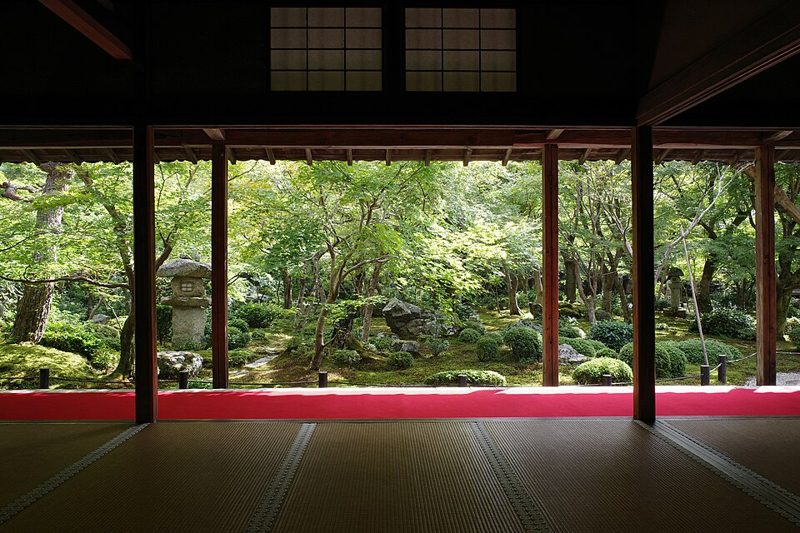
2026 Special Autumn Foliage Viewing at Enkoji Temple
Enkoji Temple (Ichijoji Sta.)
Nov 10 (Tue) – Dec 10 (Thu) 09:00 – 17:00
Enjoy autumn foliage at a Zen temple whose origins trace back to an educational institution founded by Tokugawa Ieyasu. Date-and-time reservations are required.
Details →Festival & seasonal event
Myokakuji Temple Hoshien Garden Special Opening and Autumn Light-up
Myokakuji Temple (Kuramaguchi Sta.)
Nov 10 (Tue) – Dec 6 (Sun) 10:00 – 15:30
A head temple of the Nichiren school founded in the Muromachi period, once used by Oda Nobunaga as his lodging in Kyoto. The mossy Hoshien garden is open by day, and from November 21 to December 6 it is also illuminated from 6:00 to 8:00 PM, when the Kahoto stupa hall is opened. Closed 3:30-6:00 PM for changeover; last entry 3:00 PM by day and 7:30 PM at night.
Details →Nov 10 (Tue) – Nov 14 (Sat) 17:00 – 20:00
A five-day light-up in Kameoka, running November 10 to 14 from 5:00 PM to 8:00 PM. Buses in the area are infrequent, so the local tourism association suggests a taxi at some hours.
Details →Festival & seasonal event
Autumn Special Opening: Night Viewing at Kurodani Konkai Komyo-ji
Kurodani Konkai Komyo-ji Temple (Keage Sta.)
Nov 13 (Fri) – Dec 6 (Sun) 17:30 – 20:30
Maples reflected in the pond of the Shiun Garden, with the main hall, gate, bell tower and approach lit up. Live koto and shinobue performances three times each night. Last entry 8:00 PM.
Details →Festival & seasonal event
Maple Garden at the Historic Odoi Earthworks: Autumn Illumination at Kitano Tenmangu Shrine
Kitano Tenmangu Shrine, Odoi Maple Garden (Kitano-Hakubaicho Sta.)
Nov 13 (Fri) – Dec 6 (Sun) Sunset–8:00 PM (last admission 7:40 PM)
Around 350 maple trees color the historic Odoi earthworks built by Toyotomi Hideyoshi. Illumination runs from sunset until 8:00 PM, with last admission at 7:40 PM. Admission includes a sweet inspired by the historic Kitano Grand Tea Gathering.
Details →Festival & seasonal event
Hogon-in Temple Autumn Night Illumination
Hogon-in Temple (Tenryuji) (Arashiyama Sta.)
Nov 13 (Fri) – Dec 6 (Sun) 17:30 – 20:30 (details on the official site)
The Shishiku garden of Hogon-in in Arashiyama is lit up at night for the autumn leaves. Night entry is separate from daytime visits; last entry 8:00 PM.
Details →Festival & seasonal event
Umekoji Park Autumn Leaves Festival (Suzaku Garden Light-Up)
Umekoji Park, Suzaku Garden (Umekoji-Kyotonishi Sta.)
Nov 13 (Fri) – Nov 29 (Sun) 17:00 – 21:00
The maples and pines of Suzaku Garden, the Japanese garden in Umekoji Park, are lit up at night. The dark pond turns into a mirror for the trees, and a path runs under maples close enough to touch. Last entry is 20:30. Show a same-day ticket stub from Kyoto Aquarium, Kyoto Railway Museum or VIVA SQUARE KYOTO for 100 yen off.
Details →Festival & seasonal event
Special Autumn Foliage Viewing 2026 at Tentokuin Temple
Tentokuin Temple (Tofukuji Sta.)
Nov 14 (Sat) – Dec 6 (Sun) 09:00 – 20:30
A special viewing of moss gardens and autumn leaves at a subtemple of Tofukuji. Admission is accepted until 8:00 PM, with illumination beginning around 4:00 PM.
Details →Festival & seasonal event
Kyoto Botanical Gardens Autumn Night Illumination
Kyoto Botanical Gardens (Kitayama Sta.)
Nov 14 (Sat) – Dec 13 (Sun) 18:00 – 21:30
An evening stroll among lit-up autumn leaves and reflections on the water. Last entry 8:30 PM. Hand lanterns ¥1,500 extra.
Details →Festival & seasonal event
Momiji Week 2026 at Yanagidani Kannon Yokokuji Temple
Yanagidani Kannon Yokokuji Temple (Nagaokakyo Sta.)
Nov 14 (Sat) – Dec 6 (Sun) Goshuin reception until 16:30, Kami-shoin until 15:30. Private night viewing on December 5 and 6 (reservation required, 10 people per session, 17:00-18:30 and 18:40-20:00, offering 10,000 yen per person)
An autumn leaves event at Yokokuji in Nagaokakyo, known as the birthplace of hanachozu (flower-filled water basins). Flower basins are set out at five places in the grounds, and in the Kami-shoin hall the autumn garden is reflected on polished desks. The period may be extended depending on the leaves.
Details →Festival & seasonal event
Tofukuji Temple autumn foliage viewing (Tsutenkyo Bridge and Kaisando)
Tofukuji Temple (Tofukuji Sta.)
Nov 14 (Sat) – Dec 6 (Sun) Last entry 16:00 (Hojo gardens open from 9:00)
Autumn viewing season at Tofukuji, one of Kyoto's best-known maple spots: Tsutenkyo Bridge opens at 8:30 and the Hojo gardens at 9:00, last entry 16:00, gates close 16:30. No combined ticket is sold during this period.
Details →Festival & seasonal event
Unryuin Temple Autumn Special Opening and Light-up
Unryuin Temple (Sennyuji) (Tofukuji Sta.)
Nov 14 (Sat) – Nov 30 (Mon) 09:00 – 17:00
A quiet hidden spot for autumn leaves in Higashiyama, a sub-temple of the imperial family temple Sennyuji. The usually hidden Fudo Myoo triad is unveiled, and garden maples can be viewed from the study halls. On November 20-23 the temple is lit from sunset to 9:00 PM, and the four shoji windows of the Renge-no-ma room frame camellia, a lantern, maples and pine. No day/night changeover; last entry 4:30 PM by day, 8:30 PM at night.
Details →Festival & seasonal event
Autumn Special Viewing at Shorinji Temple
Shorinji Temple, a Subtemple of Tofukuji (Tofukuji Sta.)
Nov 14 (Sat) – Dec 6 (Sun) 10:00 – 16:00
See a special display of the standing statue of Bishamonten, the guardian deity protecting Tofukuji's northeast direction. Other highlights include the main hall relocated from the Konoe family estate and the autumn foliage.
Details →Nov 14 (Sat) – Nov 23 (Mon) 17:30 – 21:30
Murin-an, the former villa of statesman Yamagata Aritomo, opens at night only during the autumn leaf season. Each session includes a short talk by a garden concierge, a stroll through the illuminated garden, and cafe service with matcha or sparkling wine and original sweets. Two sessions (17:30 and 19:30) with 30 places each, booking required on a first-come basis. A day runs only if at least 14 people book. No parking.
Details →Festival & seasonal event
Autumn Leaves Special Admission at Komyoji, Nagaokakyo
Komyoji, head temple of the Seizan Jodo sect (Nagaokakyo Sta.)
Nov 14 (Sat) – Dec 6 (Sun) 09:00 – 16:00 (details on the official site)
A special admission period held only in the autumn-leaf season. Tickets are sold at a temporary booth in front of the Somon gate from 9:00 to 16:00; allow about 40 minutes. There is no parking at all in the leaf season, so come by train and bus (Hankyu Bus from Hankyu Nagaoka-tenjin or JR Nagaokakyo stations to 'Asahigaoka Home-mae'). Park-and-ride users of the municipal lot west of Nagaokakyo Station pay 400 yen by showing their parking ticket. No eating, pets or tripods on the grounds; no photos inside the halls or the treasure exhibition.
Details →Festival & seasonal event
Nagaoka Tenmangu Shrine: Kinkeien Garden Autumn Illumination
Nagaoka Tenmangu Shrine (Kinkeien Garden) (Nagaoka-Tenjin Sta.)
Nov 14 (Sat) – Dec 6 (Sun) 16:30 – 20:00 (details on the official site)
The Kinkeien maple garden inside Nagaoka Tenmangu Shrine is lit from late afternoon until 8:00 PM. Maples around a small waterfall are reflected in the pond.
Details →Nov 17 (Tue) – Dec 6 (Sun) 17:30 – 21:30
The illuminated highlights of the head temple of Jodo Buddhism include the Sanmon Gate, Yuzen-en Garden, and Miei-do Hall. In 2026, visitors can also access the corridor on the upper level of Sanmon Gate. Last admission at 9:00 PM.
Details →Festival & seasonal event
Shinnyodo Exclusive Night Viewing
Shinnyodo (Shinsho Gokurakuji) Temple (Demachiyanagi Sta.)
Nov 18 (Wed) – Dec 8 (Tue) 17:30 – 19:30
The first night illumination of the grounds in seven years: the three-storey pagoda, stone approach and maples. Booked through JR Central's EX travel service (membership required). Main hall interior not open. Last entry 7:00 PM.
Details →Festival & seasonal event
Daigoji Temple (World Heritage) Autumn Night Viewing
Daigoji Temple (Daigo Sta.)
Nov 20 (Fri) – Dec 6 (Sun) 18:00 – 20:50
A limited-time evening visit inspired by the maple-viewing party Toyotomi Hideyoshi dreamed of but never held. Walk past the illuminated National Treasure Golden Hall and Five-Story Pagoda and the autumn colors of the Rinsen and Muryoju-en gardens. Day and night visits are separate; last entry 8:10 PM.
Details →Festival & seasonal event
Eikando Autumn Illumination and Special Night Viewing
Eikando Temple (Zenrin-ji) (Keage Sta.)
Nov 20 (Fri) – Dec 6 (Sun) 17:30 – 21:00
Enjoy around 3,000 maple trees glowing with autumn colors around a traditional strolling pond garden. Last admission at 8:30 PM; lights out and gates close at 9:00 PM.
Details →Nov 20 (Fri) – Dec 6 (Sun) 10:00 – 16:30 (details on the official site)
A normally closed imperial nunnery temple in Shishigatani opens for the autumn leaves. See the large Reikanji maple, moss gardens, and a guided study hall with Kano-school paintings and palace dolls.
Details →Festival & seasonal event
Izumo Daijingu Shrine Autumn Leaves Light-Up 2026
Izumo Daijingu Shrine (Kameoka Sta.)
Nov 21 (Sat) – Nov 23 (Mon) 17:00 – 20:00
Tanba Province's first-ranked shrine lights its autumn leaves for just three days, November 21 to 23, from 5:00 PM to 8:00 PM. Buses in Kameoka are infrequent, so plan your return in advance.
Details →Festival & seasonal event
Koseiji Temple Autumn Special Opening with Night Viewing
Koseiji Temple (Nijo Sta.)
Nov 21 (Sat) – Nov 23 (Mon) 18:00 – 20:00
The evening session of Koseiji Temple's three-day autumn special opening in Kamigyo Ward. A tea service is offered for ¥800; last entry at 7:30 PM.
Details →Festival & seasonal event
Myoken-ji Temple Illumination & Special Night Viewing
Myoken-ji Temple (Kuramaguchi Sta.)
Nov 21 (Sat) – Dec 13 (Sun) 18:00 – 20:30
Autumn illumination and special night viewing at Myoken-ji, a Nichiren Buddhist temple in Kamigyo Ward. Last entry at 8:00 PM.
Details →Festival & seasonal event
Kiyomizu-dera Jojuin Garden Special Viewing (Autumn Nights)
Jojuin, Kiyomizu-dera Temple (Kiyomizu-Gojo Sta.)
Nov 21 (Sat) – Nov 30 (Mon) 18:00 – 20:30
The garden of Jojuin, a sub-temple of Kiyomizu-dera, opens at night during the same period as the main temple's autumn night viewing. Admission closes at 8:30 PM.
Details →Festival & seasonal event
Autumn Special Night Viewing at Kiyomizu-dera Temple
Kiyomizu-dera Temple (Kiyomizu-Gojo Sta.)
Nov 21 (Sat) – Nov 30 (Mon) 17:30 – 21:30
Special evening viewing with illuminated autumn foliage in Kin'un Gorge and the National Treasure Main Hall. Last admission at 9:00 PM; gates close at 9:30 PM.
Details →Market
32nd Tofukuji–Sennyuji Potters' Autumn Maple Festival and Grand Pottery Market
Pottery Workshops between Tofukuji and Sennyuji Temples (Tofukuji Sta.)
Nov 21 (Sat) – Nov 29 (Sun) 10:00 – 16:30
A pottery market spread across the traditional ceramic workshops between Tofukuji and Sennyuji temples. Pottery-making experiences and tastings of local Kyoto sake are also featured.
Details →Festival & seasonal event
Daigoji "A Night Watched Over by Buddhas": Meditation Yoga, Shojin Dinner and Night Viewing
Daigoji Temple (Reihokan Museum) (Daigo Sta.)
Nov 21 (Sat) – Nov 23 (Mon) 18:15 – 20:50 (details on the official site)
Three nights only: meditation yoga among National Treasure Buddhist statues, an autumn vegetarian temple dinner, then a walk through the illuminated autumn grounds. 50 people per night, advance booking required.
Details →Festival & seasonal event
Autumn Leaves Photo Walk in Yawata at Meeting point: Tourist Information House at Iwashimizu-hachimangu Station gates
Meeting point: Tourist Information House at Iwashimizu-hachimangu Station gates (Keihan) (Iwashimizu-hachimangu Sta.)
Nov 28 (Sat) – Nov 29 (Sun) Hours: please check with the organizer
A photo walk through the autumn colors of Yawata run by the city tourism association, limited to 20 people per day. Hours: please check with the organizer.
Details →
Kyoto autumn leaves: how to plan your visit
When do Kyoto's autumn leaves usually turn red, and which areas change color first?
Kyoto's autumn foliage season is not a single weekend. Color spreads gradually from the cooler mountain districts towards the city, creating several opportunities to enjoy red maples, golden ginkgo trees and traditional temple gardens. According to the Kyoto City Tourism Association, leaves usually begin changing color around late October, with many locations reaching their best appearance during November. The timing varies each year according to temperature, weather, altitude and tree species.
The northern mountain districts of Takao, Ohara and Kurama usually change color earlier than central Kyoto. Mount Hiei normally reaches its most colorful period around early November. Sanzen-in in Ohara has a broad usual viewing period extending from early November into early December, while nearby Jakko-in typically offers autumn colors from mid-November into early December. Kurama and the Kibune area generally provide attractive foliage around mid-to-late November. These are historical seasonal ranges, not confirmed peak dates for 2026.
In central Kyoto, famous foliage destinations such as Kiyomizu-dera, Eikan-do, Nanzen-ji and Tofuku-ji usually become especially attractive during November. The wooded slopes around Arashiyama also develop color through the month. Individual trees may change at different speeds, so visitors often see a mixture of green, yellow, orange and red within the same garden.
For an early-November visit, consider Mount Hiei or the northern mountain districts. During mid-to-late November, the classic Higashiyama temples and Arashiyama are strong choices. In early December, gardens with a longer usual foliage period may still offer beautiful scenery, although the condition of individual trees depends on the year's weather.
Kyoto City's official Autumn Leaves Calendar 2026 began updating on October 30. It classifies individual locations by stages such as green, color appearing, partially colored, peak and past peak. The calendar also provides historical seasonal information that helps visitors compare different districts. Use it to choose destinations according to actual conditions rather than planning an entire trip around a predicted peak day.
Sources: Kyoto City Tourism Association — Official Autumn Foliage FAQ, Kyoto City Official Travel Guide — Autumn Leaves Calendar 2026, Kyoto City Tourism Association — Official Autumn Foliage Reports
Which Kyoto temples have evening illuminations in autumn 2026, and do you need reservations?
Kyoto's autumn illuminations reveal a different side of its temples. Spotlights illuminate maple trees, historic wooden halls appear against dark hillsides, and ponds reflect the colors of the season. However, evening admission is not necessarily an extension of ordinary daytime opening. Some temples sell separate evening tickets, some require advance reservations, and the final admission time may be considerably earlier than closing.
Kiyomizu-dera has officially announced its autumn 2026 evening special visit for November 21–30. Opening hours are 5:30 p.m. to 9:30 p.m., with last admission at 9:00 p.m. Advance reservations are not required. Visitors can experience the temple's illuminated hillside setting and famous wooden stage. Allow approximately 60–90 minutes for the visit, excluding any waiting time. The special evening admission is separate from a normal daytime sightseeing plan.
Kodai-ji's confirmed autumn illumination runs from October 23 to December 13, 2026. Lights are switched on at 5:00 p.m., the final admission time is 9:30 p.m., and the temple closes at 10:00 p.m. Admission costs ¥800 for adults and ¥400 for junior-high and high-school students. The event includes illuminated gardens and a projection-mapping presentation in the Hojo garden. Kodai-ji is particularly convenient for visitors walking through the historic Higashiyama district.
Eikan-do has announced its 2026 evening illumination for November 20 to December 6. Reception is from 5:30 p.m. until 8:30 p.m., with the temple closing at 9:00 p.m. Admission is ¥1,000 for visitors of junior-high-school age and above. Its daytime autumn exhibition runs separately from November 11 to December 6, with reception from 9:00 a.m. to 4:00 p.m. and closing at 5:00 p.m. Daytime and evening visitors are admitted separately; remaining inside continuously between the two sessions is not permitted.
Tofuku-ji offers a reservation-based nighttime experience through JR Central's EX travel service from November 18 to December 6, 2026. The first admission session runs from 5:30 p.m. to 7:30 p.m. and costs ¥3,000. The second runs from 6:30 p.m. to 7:30 p.m. and costs ¥2,500. Reception closes at 7:00 p.m. for both sessions. These are advance-booked special admission plans for eligible EX service members, rather than unrestricted evening entry. Ordinary daytime admission is handled separately.
Do not assume that every famous temple offers a public nighttime opening. Shoren-in, for example, should not be included in an evening itinerary without a separately announced current event. For the easiest experience, select one major illumination per evening, distinguish last entry from closing time, bring the required reservation confirmation where applicable, and check the official page before you go. Queues and operating arrangements can change with visitor numbers.
Sources: Kiyomizu-dera — Official Autumn 2026 Evening Special Visit, Kyoto City Official Tourism — Kodai-ji Autumn Illumination 2026, Eikan-do — Official 2026 Autumn Exhibition and Illumination Announcement, JR Central — Autumn 2026 Special Admission Plans, Tofuku-ji — Official Visitor Information
How can you avoid the worst autumn crowds and Kyoto's slow sightseeing buses?
Autumn is one of Kyoto's busiest sightseeing seasons, especially around Kiyomizu-dera, Gion, Tofuku-ji and Arashiyama. The most effective approach is to begin early, explore neighboring attractions on foot and use railways for longer journeys. Kyoto City's official transport guidance recommends combining trains, subways and walking instead of relying exclusively on direct sightseeing buses, which can become delayed by road congestion.
Kiyomizu-dera normally opens at 6:00 a.m., making it a particularly useful destination for early risers. A visit shortly after opening gives you time to explore before the main daytime sightseeing period. Tofuku-ji's Tsutenkyo area opens at 8:30 a.m. during its 2026 peak autumn admission period of November 14 to December 6. Its Hojo garden opens at 9:00 a.m. These opening times offer practical opportunities for early visits, although they do not guarantee empty grounds. Weekdays are generally a sensible choice for visitors with flexible schedules.
Traveling from Kyoto Station to Kiyomizu-dera illustrates why rail-based planning matters. Although route planners may recommend a direct City Bus to Gojo-zaka, Kyoto's official transport guide warns that the route frequently becomes congested. One alternative is the JR Nara Line to Tofukuji Station, followed by Keihan Railway to Kiyomizu-Gojo Station. From there, Kiyomizu-dera is approximately 25 minutes away on foot. Another option is to use the subway to Higashiyama Station and walk approximately 35 minutes through the historic streets of eastern Kyoto.
Kyoto also operates express sightseeing buses EX100 and EX101 between Kyoto Station and the Gojo-zaka area on weekends and holidays. The published adult fare is ¥500. These services can be convenient, but they do not eliminate all traffic delays. Visitors who enjoy walking may find that traveling by subway and exploring the final section on foot is a more predictable and enjoyable choice.
For Arashiyama, the JR Sagano Line is particularly practical. Rapid services connect Kyoto Station and Saga-Arashiyama Station in approximately 11 minutes, followed by a walk towards Togetsukyo Bridge. Kyoto's official guidance warns that buses from Kyoto Station to Arashiyama are both crowded and time-consuming. JR trains can also be busy, so avoid assuming that every early train will offer a seat.
Traveling by rail is not always possible for the entire journey. Ohara, for example, requires a bus connection, but taking the Karasuma Subway Line to Kokusaikaikan before transferring to Kyoto Bus No. 19 reduces the length of the bus journey. For Takao, Kyoto's official recommendation includes taking JR to Enmachi and transferring to West Japan JR Bus. The practical rule is to cover the long urban section by train and use buses only where needed.
Sources: Kyoto City Official Travel Guide — Comfortable Access to Higashiyama, Kyoto City Official Travel Guide — Comfortable Access to Saga and Arashiyama, Kyoto City Official Travel Guide — Getting Around Kyoto by Bus, Tofuku-ji — Official Admission Hours
What is the easiest autumn walking itinerary through Higashiyama?
Higashiyama is the classic Kyoto autumn experience: narrow stone streets, tiled roofs, monumental temple gates and hillsides covered with seasonal foliage. The most convenient itinerary follows a continuous walking route from north to south rather than using buses between neighboring attractions. Kyoto City's official recommended route connects Higashiyama Station with Kiyomizu-dera in approximately 40–45 minutes of walking without sightseeing stops. Allow four to six hours for a relaxed visit with temple admissions, photography and a meal.
Begin at Subway Higashiyama Station. From Kyoto Station, take the Karasuma Subway Line to Karasuma Oike and transfer to the Tozai Line for Higashiyama. Kyoto's published route describes a journey of approximately 15 minutes. Use Exit 2 and head towards Jingu-michi. The first suggested stop is Shoren-in, approximately ten minutes on foot from the station. The temple's large camphor trees and traditional surroundings provide an attractive beginning to the walk.
Continue approximately five minutes to Chion-in, whose enormous Sanmon Gate is an impressive architectural landmark. Another short walk of approximately two minutes brings you to Maruyama Park. This park connects several important religious sites and offers room to enjoy seasonal scenery. Continue along Nene-no-michi, the historic lane leading towards Kodai-ji and Entoku-in, approximately five minutes farther along the recommended route.
Kodai-ji is an excellent place to pause for a garden visit. Allow roughly 45–60 minutes as a practical sightseeing allowance, although actual time depends on queues and which areas are open. From Kodai-ji, continue approximately five minutes to Ninenzaka and another five minutes to Sannenzaka. These attractive old streets contain traditional buildings, shops and places for tea or refreshments. They can also become crowded, so avoid stopping abruptly in the middle of pedestrian traffic.
The final climb from Sannenzaka to Kiyomizu-dera takes approximately ten minutes on Kyoto's official walking route. At Kiyomizu-dera, look out from the famous wooden stage towards the surrounding hills and city. The architecture and the changing foliage are the highlights, but the uphill approach and surrounding streets are an important part of the experience. Comfortable shoes are essential because the route includes slopes, steps and stone paving.
If you prefer an evening finale, plan your daytime walk around one illumination. Kodai-ji is a convenient option during its October 23–December 13 evening season, while Kiyomizu-dera offers its announced November 21–30 nighttime opening. Have dinner before the evening admission period or afterwards according to your preferred schedule. The most enjoyable itinerary is not necessarily the one with the greatest number of temple admissions.
Sources: Kyoto City Official Travel Guide — Recommended Higashiyama Walking Route, Kyoto City Official Travel Guide — Access to Higashiyama, Kiyomizu-dera — Official Autumn 2026 Evening Special Visit, Kyoto City Official Tourism — Kodai-ji Autumn Illumination 2026
How should you explore Arashiyama and Sagano without spending the day in crowds?
Arashiyama combines riverside landscapes, wooded hills, historic temples and the quieter residential lanes of Sagano. The district is particularly attractive in autumn because the mountains provide a broad backdrop of seasonal color. A comfortable itinerary can be built around Togetsukyo Bridge, Tenryu-ji, the Bamboo Grove and the lanes beyond the busiest sightseeing streets. Allow approximately four to six hours, depending on walking distance and temple visits.
From Kyoto Station, take the JR Sagano Line to Saga-Arashiyama Station. Kyoto's official travel guide gives approximately 11 minutes for rapid services and identifies the Togetsukyo Bridge area as about eight minutes on foot from the station. Follow the station signs towards the main sightseeing streets, taking care along roads shared with traffic. The bridge offers views across the Katsura River towards the surrounding mountains, which become particularly attractive as their trees change color.
After enjoying the riverside, walk towards Tenryu-ji. Its Sogenchi garden is a major attraction, with a landscaped pond framed by surrounding trees and mountains. Allow approximately 45–60 minutes as a planning allowance for the garden. Because this is an important Zen temple rather than simply a scenic park, observe posted restrictions and remain on the designated visitor route.
Continue towards the Bamboo Grove, one of Arashiyama's most recognizable landscapes. The towering bamboo provides a vivid contrast with the warm colors of autumn. The paths here can become busy with visitors stopping for photographs, so move to the side before taking pictures and keep entrances clear. Rather than remaining only in the busiest central section, consider continuing into Sagano.
The quieter streets beyond the central Bamboo Grove area lead towards the wider Sagano and Okusaga districts. These areas contain traditional buildings, smaller temples and more residential scenery. A longer walking route towards Saga-Toriimoto gives visitors an opportunity to experience a different side of western Kyoto. Allow additional time for this extension and for returning to a railway station; the quieter destinations are farther from the main transport stops.
For a straightforward first visit, follow Saga-Arashiyama Station, Togetsukyo Bridge, Tenryu-ji, Bamboo Grove and nearby Sagano streets, then return by rail. A longer visit can include additional walking into Okusaga, but combining this with another major sightseeing district is likely to make the day rushed. The greatest pleasure of Arashiyama lies in the relationship between its river, mountains, temple gardens and historic landscape.
Sources: Kyoto City Official Travel Guide — Saga and Arashiyama Area, Kyoto City Official Travel Guide — Comfortable Access to Saga and Arashiyama, Kyoto City Official Travel Guide — Responsible Travel, Kyoto City Official Travel Guide — Autumn Leaves Calendar 2026
Where should you go in Northern Kyoto: Takao, Ohara or Kurama?
Northern Kyoto offers a different autumn experience from the crowded streets of Higashiyama. Mountain temples, forested valleys, village landscapes and riverside scenery create a quieter atmosphere. Takao, Ohara and Kurama are all worthwhile possibilities, but their transport routes are different. For a relaxed outing, choose one area for a half-day or longer excursion rather than attempting all three in a single day.
Takao is particularly attractive for travelers who enjoy wooded hills and historic Buddhist temples. Its principal attractions include Jingo-ji and nearby Kozan-ji, which is situated in the Toganoo area. Kyoto's official access guide recommends taking the JR Sagano Line from Kyoto Station to Enmachi Station, approximately seven minutes, then boarding West Japan JR Bus towards Toganoo. The bus ride from the Enmachi area takes approximately 31 minutes, and the official journey estimate from Kyoto Station to Toganoo is about 48 minutes. Kozan-ji is a short walk from the bus stop. Allow additional time for walking between temples and navigating the hilly terrain.
Ohara is ideal for visitors who prefer gardens and a rural village atmosphere. Take the Karasuma Subway Line from Kyoto Station to Kokusaikaikan, approximately 20 minutes, and transfer to Kyoto Bus No. 19 for Ohara. Kyoto's official route gives approximately 56 minutes from Kyoto Station to Ohara when combining the subway and bus journey. Sanzen-in is a principal destination, known for its temple buildings, gardens and mossy landscape. Jakko-in is another historic temple in the area, making Ohara suitable for a leisurely visit with walking and sightseeing.
The Ohara route is particularly useful because it avoids spending the entire journey on a bus from central Kyoto. However, the final bus journey still depends on road conditions and schedules. Allow at least half a day, and preferably more if visiting both Sanzen-in and Jakko-in. The area's rural atmosphere is part of its appeal, so leaving time for the village paths is worthwhile.
Kurama is reached by Eizan Railway from Demachiyanagi Station. The journey to Kurama Station takes approximately 30 minutes. From the station, Kyoto's official guide places Kurama-dera about five minutes away on foot, referring to the lower temple entrance area. Exploring the temple's mountainside grounds requires considerably more walking and climbing. Comfortable shoes and an appropriate level of fitness are important, particularly if the paths are wet.
For visitors starting at Kyoto Station, one official route to Kurama uses the JR Nara Line to Tofukuji, Keihan Railway to Demachiyanagi and Eizan Railway onwards to Kurama. The JR ride to Tofukuji is approximately three minutes, followed by roughly twelve minutes on Keihan to Demachiyanagi and thirty minutes on Eizan Railway to Kurama, excluding transfer and waiting times. Travelers already in eastern Kyoto can connect to Demachiyanagi from Keihan Gion-shijo Station.
Choose Takao for wooded temple scenery, Ohara for gardens and a slower village experience, or Kurama for a mountain-temple excursion. Northern locations are generally cooler than downtown Kyoto, and daylight decreases as autumn progresses. Start early, allow extra time for the return journey and avoid planning a demanding mountain walk immediately before a fixed evening reservation in central Kyoto.
Sources: Kyoto City Official Travel Guide — Comfortable Access to Takao, Kyoto City Official Travel Guide — Comfortable Access to Ohara, Kyoto City Official Travel Guide — Comfortable Access to Kurama and Kibune, Kyoto City Tourism Association — Autumn Foliage Reports
What should you know about tickets, payments, photography rules and autumn weather?
Kyoto's temples are active religious institutions, and admission arrangements vary between locations. A normal daytime ticket may not cover a special evening visit, while certain gardens and exhibition areas charge separate fees. Budget for several admissions if visiting multiple temples in one day. In 2026, Kodai-ji's autumn evening admission is ¥800 for adults and ¥400 for junior-high and high-school students. Eikan-do's autumn evening admission is ¥1,000 for visitors of junior-high-school age and older.
Tofuku-ji has particularly important autumn ticket arrangements. From November 14 to December 6, 2026, admission to the Tsutenkyo and Kaisando area costs ¥1,000 for adults and ¥500 for elementary and junior-high-school students. The Tsutenkyo area opens at 8:30 a.m., while the Hojo garden opens at 9:00 a.m. During this autumn period, the normal combined admission ticket is unavailable. The Hojo garden charges a separate ¥600 adult admission from November 1, 2026, with child admission of ¥300. Re-entry is not permitted.
Carry Japanese yen in cash for smaller temples, offerings and facilities with limited payment options. Rechargeable transport IC cards such as ICOCA and Suica are practical for many train and bus journeys. Within Kyoto City Bus's flat-fare area, the published adult fare is ¥230. The express sightseeing bus fare is ¥500 for adults. Routes outside the flat-fare area may have distance-based fares. The Subway & Bus 1-Day Pass can be useful for some itineraries, but it does not cover every private railway or bus service.
Observe photography restrictions carefully. Different temples may prohibit photographs inside buildings, restrict photography in certain areas or ask visitors not to stop in crowded passageways. Do not assume that tripods, monopods or flash photography are allowed. Keep large photographic equipment out of narrow routes and follow any temporary restrictions displayed during autumn admissions. Never leave a designated path, step into a moss garden or cross barriers simply to frame a photograph.
Kyoto is also a living city. Residential streets around Gion and Higashiyama are not unrestricted photography locations. Respect private property and local signage, avoid photographing residents without permission and never block roads or entrances. In places of worship, keep conversations quiet, put phones on silent and follow instructions concerning shoes, food, drinks and access to religious buildings.
Autumn weather calls for layers. The Japan Meteorological Agency's climate normals for Kyoto give a November average temperature of 12.5°C and monthly precipitation of 73.9 mm. The December average falls to 7.2°C. These are long-term monthly averages, not daily forecasts. Afternoon conditions may be comfortable for walking, while early mornings, evenings and mountain districts can feel significantly colder. Bring a warm outer layer, comfortable non-slip shoes and compact rain protection.
A useful day bag contains water, a charged phone, a portable battery, cash, an IC card and a small bag for rubbish or shoes where required. Avoid bringing large suitcases onto crowded public transport or into narrow temple spaces. Kyoto's official tourism guidance recommends luggage storage and hands-free sightseeing services. With sensible clothing, realistic walking times and respect for temple rules, visitors can enjoy Kyoto's autumn scenery without turning every stop into a race against the clock.
Sources: Tofuku-ji — Official Admission Hours, Prices and Visitor Rules, Eikan-do — Official Autumn 2026 Announcement, Kyoto City Official Tourism — Kodai-ji Autumn Illumination 2026, Kyoto City Official Travel Guide — Getting Around Kyoto by Bus, Japan Meteorological Agency — Kyoto Monthly Climate Normals, Kyoto City Official Travel Guide — Responsible Travel
Next stop: book for later today PR
Experiences near here you can book on Klook.
Yuzen DyeingYuzen dyeing in a historic machiya→Kintsugi WorkshopKintsugi repair experience→Ad: Klook affiliate links.