Rurikoin Autumn Special Opening 2026
- Dates
- Oct 1 (Thu) – Dec 13 (Sun)
- Hours
- 10:00 – 17:00
- Price
- Adults ¥2,000, junior/senior high ¥1,000 (student ID); one child free per adult, additional children ¥1,000
- Where
- Rurikoin Temple (Yase-Hieizanguchi)
Moss and flowing water in Ruri Garden
Good to know
The moss garden and study hall open to the public in maple season. Reservations required Nov 13 to Dec 6; not needed on other days. Last entry 4:30 PM, open every day during the period.
- Dates
- Oct 1 (Thu) – Dec 13 (Sun)
- Hours
- 10:00 – 17:00
- Venue
- Rurikoin Temple
- Nearest station
- Yase-Hieizanguchi
- Admission
- Adults ¥2,000, junior/senior high ¥1,000 (student ID); one child free per adult, additional children ¥1,000
About this event
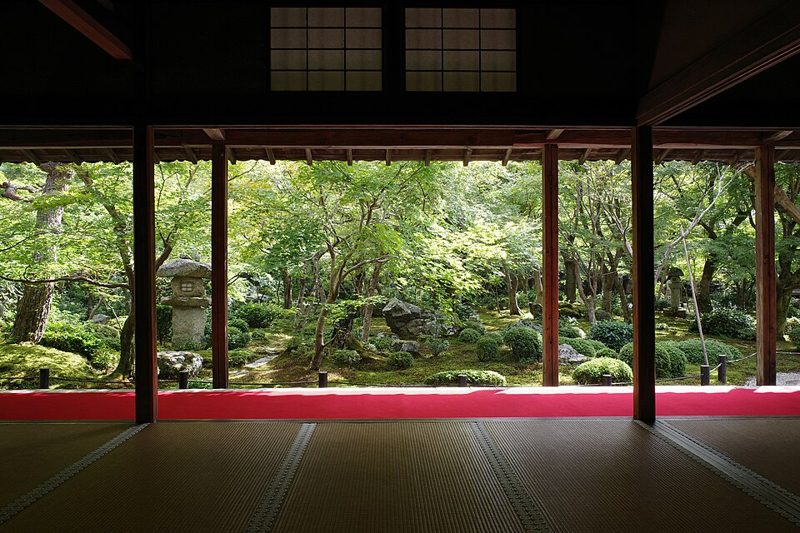
A carpet of moss, flowing water and maple trees defines the gardens of Rurikoin. The main Ruri Garden features a winding stream, while the Garyu Garden uses a large rock to suggest the head of a reclining dragon. The Yamaroji Garden contains dozens of maple varieties and a thirteen-tier stone pagoda. Visitors can also appreciate the gardens from an elegant sukiya-style building. Located in the Yase valley near Mount Hiei, the temple takes its name from lapis lazuli, one of the Buddhist treasures associated with the Pure Land.
Highlights
- Moss and flowing water in Ruri Garden
- Dragon imagery in Garyu Garden
- Dozens of maple varieties and a thirteen-tier pagoda
- Sukiya-style architecture
- The historic Kikakutei tea pavilion
- Good for
- For travellers who enjoy Japanese gardens, moss, architecture and autumn foliage.
Good to know before you go
- Reservations apply from November 13 to December 6; they are unnecessary outside that period.
- Junior and senior high school students must present student identification for the reduced rate.
- Organised travel-company tours and group tours are not accepted.
- There is no parking. The official website provides translation links in English, Chinese and Korean.
Pochikichi's story cornerWhy is the temple called Rurikoin?
Ruri refers to lapis lazuli, one of the seven treasures associated with the Buddhist Pure Land. According to the temple, the name evokes the luminous appearance of its moss-covered gardens, maple trees and clear spring water.
Rurikoin is the Kyoto headquarters of Muryojuzan Komyoji. Its gardens are intended to offer visitors a way to encounter Buddhist ideas through nature.
The main garden combines moss with flowing water. Another garden uses a large rock to represent a dragon's head, while the Yamaroji Garden features maple trees, a stone pagoda and a tea pavilion.
The sukiya-style study opens onto these landscapes. Look at the entire composition of water, stones, moss and architecture.
Sources: Rurikoin Official Website: About Rurikoin (Japanese)
Long ago, around hereDoes the name Yase come from an ancient prince's arrow wound?
Yase lies along the Takano River between Mount Hiei and the surrounding mountains.
According to a local legend recorded by Rurikoin, Prince Oama, later Emperor Tenmu, treated an arrow wound here after the Jinshin War of 672. The old name Yase is said to derive from this story. It is a tradition, not an independently established historical event.
The river still runs through the valley. When walking from Yase-Hieizanguchi Station, notice the landscape connected with this local legend.
Next stop: book for later today PR
Experiences near here you can book on Klook.
Yuzen DyeingYuzen dyeing in a historic machiya→Kintsugi WorkshopKintsugi repair experience→Ad: Klook affiliate links.
🍜 Where to eat after
Restaurants near here on Google Maps→Many restaurants in Kyoto take reservations, and some are cash only. Check the restaurant page before you go.
FAQ
- What is Rurikoin Autumn Special Opening 2026?
- A carpet of moss, flowing water and maple trees defines the gardens of Rurikoin. The main Ruri Garden features a winding stream, while the Garyu Garden uses a large rock to suggest the head of a reclining dragon. The Yamaroji Garden contains dozens of maple varieties and a thirteen-tier stone pagoda. Visitors can also appreciate the gardens from an elegant sukiya-style building. Located in the Yase valley near Mount Hiei, the temple takes its name from lapis lazuli, one of the Buddhist treasures associated with the Pure Land.
- When is Rurikoin Autumn Special Opening 2026?
- From Oct 1 (Thu) to Dec 13 (Sun), 2026.
- What are the opening hours?
- 10:00 – 17:00
- How much does it cost?
- Adults ¥2,000, junior/senior high ¥1,000 (student ID); one child free per adult, additional children ¥1,000
- Where is it and what is the nearest station?
- Rurikoin Temple. The nearest station is Yase-Hieizanguchi.
More in Kyoto
Festival & seasonal event
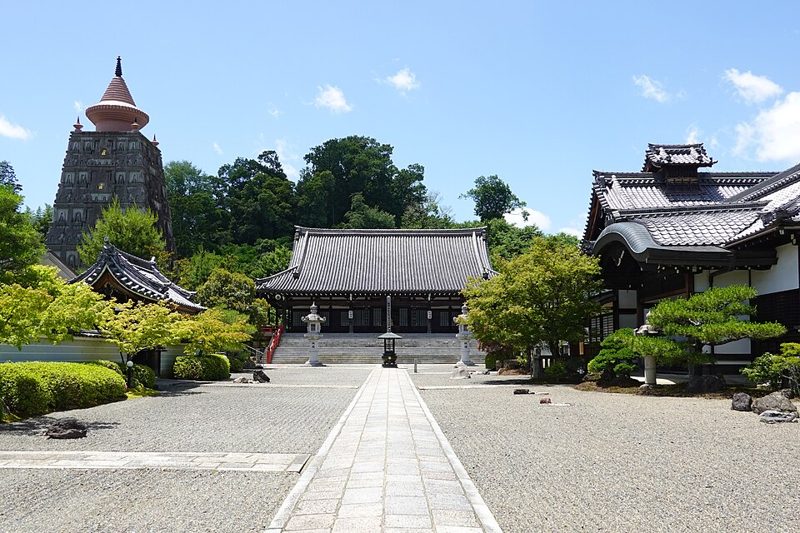
2026 Special Autumn Foliage Viewing at Enkoji Temple
Enkoji Temple (Ichijoji Sta.)
Nov 10 (Tue) – Dec 10 (Thu) 09:00 – 17:00
Enjoy autumn foliage at a Zen temple whose origins trace back to an educational institution founded by Tokugawa Ieyasu. Date-and-time reservations are required.
Details →Festival & seasonal event
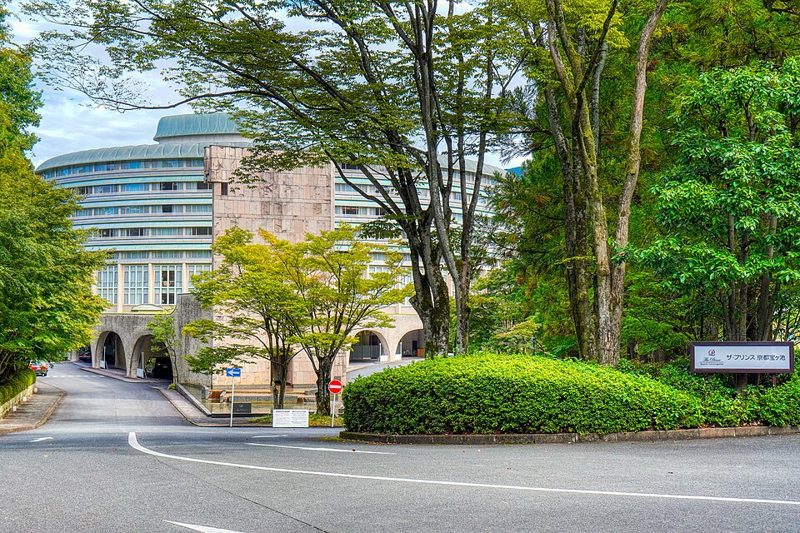
40th Anniversary 'Circle of En' — A Courtyard Installation Celebrating Connections at The Prince Kyoto Takaragaike
The Prince Kyoto Takaragaike (Kokusaikaikan Sta.)
Nov 25 (Wed) – Dec 25 (Fri) 17:00 – 23:00
A festive Christmas courtyard installation celebrating the hotel's 40th anniversary. A symbolic Christmas tree and illuminations decorate the circular courtyard designed by architect Togo Murano.
Details →Festival & seasonal event
Countdown & New Year — Welcome 2027 with Lights of Good Fortune at The Prince Kyoto Takaragaike
The Prince Kyoto Takaragaike (Kokusaikaikan Sta.)
Dec 31 (Thu) – Jan 31 (Sun) 17:00 – 23:00
Good-luck decorations carrying visitors' wishes adorn the courtyard's symbolic tree. A New Year's Eve countdown is planned, along with decoration-making experiences over two days through New Year's Day.
Details →Festival & seasonal event
Ginkakuji Autumn Special Viewing (Main Hall, Togudo, Rouseitei)
Ginkakuji Temple (Jishoji) (Ginkakuji-michi (bus stop) Sta.)
Nov 1 (Sun) – Dec 5 (Sat) 10:00 – 16:00 (details on the official site)
Guided 30-minute tours into rooms normally closed to visitors, with sliding-door paintings by Yosa Buson and Ike no Taiga and the four-and-a-half-mat Dojinsai study. Six tours a day, about 20 people each, first come first served on the day.
Details →Dec 31 (Thu) 15:00 – 17:00
An early evening year-end bell-ringing ceremony held instead of the traditional midnight New Year's Eve ringing. The first 108 participants who make an offering receive an Anchin and Kiyohime bell amulet.
Details →Festival & seasonal event
62nd Kyoto Special Opening of Non-Public Cultural Properties at Shimogamo Shrine
Shimogamo Shrine (Kamo-mioya Jinja) (Demachiyanagi Sta.)
Oct 31 (Sat) – Dec 6 (Sun) 09:00 – 16:00 (details on the official site)
Part of the 62nd autumn special opening run by the Kyoto Association for the Preservation of Old Culture. At Shimogamo Shrine you can see the main sanctuary (National Treasure) plus the Mitsui Shrine, Oidono kitchen hall and Shinpukuden (all Important Cultural Properties), the ice house, the Ura-no-kairo corridor, the site of the shrine's former Buddhist temple and the Shuhosha archive. Reception 9:00 to 16:00 (until 14:30 on Nov 23). No reservation needed; groups of 15 or more should contact the office first.
Details →