Rikugien Gardens guide: history, hidden spots and events nearby
A garden that Yanagisawa Yoshiyasu, a retainer of the 5th shogun Tsunayoshi, designed himself and built over seven years. It recreates 88 places sung about in classical waka poetry: a “garden of literature.” Famous for its weeping cherry in spring and autumn leaves.
Kyochika's tips
- The two highlights are the weeping cherry just inside the gate (late March) and the autumn leaves around the Tsutsuji teahouse in late November. In 2026 there is a special evening viewing of the autumn leaves from November 25 to December 6.
- After a lap of the pond, take the narrow Sasakani path through the woods. Even in busy seasons it is a quiet walk.
Events near Rikugien Gardens now and coming up
Within 1.5 km, nearest first. Checked against official pages.
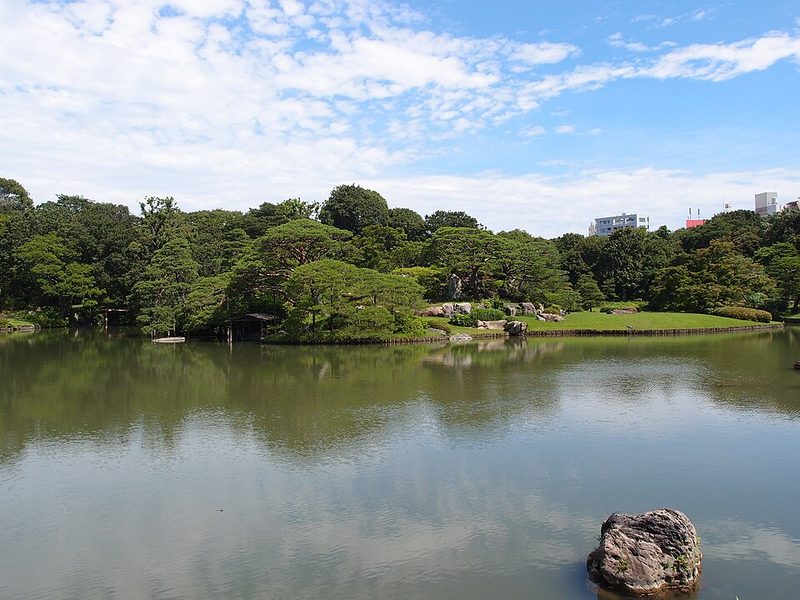 Rikugien Autumn Leaves Night ViewingNov 25 (Wed) – Dec 6 (Sun) · Rikugien Gardens · on site
 Elise Marche (Otohiroba Elise, Komagome)Oct 31 (Sat) · Otohiroba Elise · 0.4 km
 SAWA / shimao Duo Exhibition 'PARADISE PARK 2'Oct 31 (Sat) – Nov 15 (Sun) · WISH LESS gallery · 1.2 km
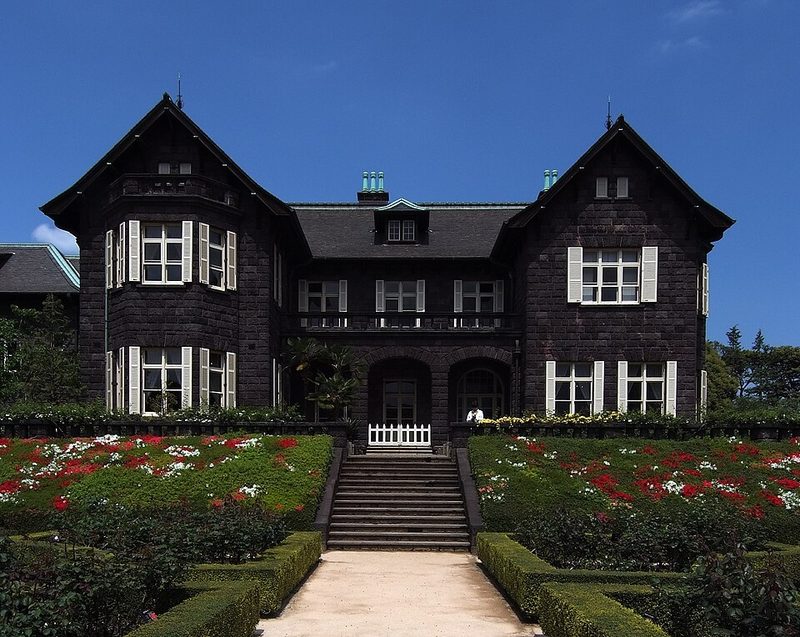 Kyu-Furukawa Gardens "Autumn Leaves and Roses, Japanese and Western Autumn"Nov 7 (Sat) – Dec 6 (Sun) · Kyu-Furukawa Gardens · 1.2 km
🍜 Where to eat after
Top-rated restaurants in Sugamo & Komagome (Tabelog, sorted by rating)→Restaurants near here on Google Maps→Many restaurants in Japan take reservations, and some are cash only. Check the restaurant page before you go.
Next stop: book for later today PR
Tickets and experiences near here that you can book on Klook. Filter by “Today” to see what is still open.
Tea ceremony experiences→Tokyo walking tours→All things to do in Tokyo →Visiting info
| Hours | 9:00–17:00 (last entry 16:30; may be extended during events) |
|---|---|
| Closed | December 29 – January 1 |
| Admission | Adults ¥300, 65 and over ¥150 (free for children of elementary school age and under, and for junior high students living or studying in Tokyo). Free on May 4 and October 1 |
| Address | 6-16-3 Honkomagome, Bunkyo-ku, Tokyo |
| Getting there | 7 min walk from Komagome Station (JR Yamanote Line, Tokyo Metro Namboku Line), 10 min from Sengoku Station (Toei Mita Line). No parking |
Checked on 2026-10-27 against the official pages. Hours and fees can change; please check before you go.
Sources: Tokyo Metropolitan Park Association: Rikugien Gardens (Japanese)
What does “Rikugi” mean?
In 1695 the 5th shogun Tokugawa Tsunayoshi gave Yanagisawa Yoshiyasu land in Komagome for a secondary residence. Yoshiyasu designed and directed the work himself, digging a pond and building hills on the flat Musashino plain, and over seven years made a strolling garden with hills and water. With Koishikawa Korakuen it was counted as one of the two great gardens of Edo.
The name comes from the “six principles of poetry” in the ancient Chinese anthology known as the Mao Shi, which Ki no Tsurayuki applied to the six styles of Japanese waka. The garden recreates the scenery of Wakanoura in Kishu and other places sung about in waka as 88 views.
In the Meiji era it was owned by Iwasaki Yataro, founder of Mitsubishi, and in 1938 it was donated to the City of Tokyo and opened to the public. It became a national Special Place of Scenic Beauty in 1953.
Sources: Tokyo Metropolitan Park Association: Rikugien Gardens (Japanese)
The garden's names are made of poems
Many bridges and paths take their names from waka. The stone bridge Togetsukyo comes from a poem about cranes crying among the reeds of Wakanoura and the lonely moon crossing the night.
“Sasakani” in the Sasakani path is an old word for spider: the narrow path is like a spider's thread. The two hills on the central island, Imoyama and Seyama, use old words for woman (imo) and man (se) to stand for a couple.
Sources: Tokyo Metropolitan Park Association: Rikugien Gardens (Japanese)
A residence so busy its neighborhood was called “the palace”
The 5th shogun Tsunayoshi visited Yoshiyasu's residence again and again. Each time, nearby houses were turned into waiting rooms for his officials, and the area came to be called “Denchu” (inside the palace).
In 1701 Tsunayoshi's mother Keishoin also stopped by. Yoshiyasu set new stones, increased the flow of water, built huts in nine places and entertained her with a mock market inside the garden.
Sources: 東京都建設局「東京都における文化財庭園の保存活用計画(六義園)」 (Japanese)
A retired emperor wrote poems about this garden
Yoshiyasu, who knew the retired Emperor Reigen through waka poetry, presented him with pictures of the garden. The retired emperor chose “twelve scenes” and “eight views” himself, wrote poems for them and gave Yoshiyasu the scroll.
The eight views include the bell of Kan'ei-ji in Ueno and Mt. Fuji under clear snow — imagined from a garden in Komagome.
Sources: 東京都建設局「東京都における文化財庭園の保存活用計画(六義園)」 (Japanese)
From the garden's hill, you could see the real Mt. Fuji
Fujishiro-toge, the largest hill on the north side, is 35 m above sea level. From the top, Mt. Fuji and Mt. Tsukuba are said to have been visible.
Buildings block the view now, but you can still look down over the whole pond. It is the best place to feel like a daimyo.
Sources: 東京都建設局「六義園マネジメントプラン」 (Japanese) / 東京都建設局「東京都における文化財庭園の保存活用計画(六義園)」 (Japanese)
The famous weeping cherry was planted after the war
The weeping cherry in the square by the main gate was planted in the 1950s–60s (Showa 30s). It is an Edo-higan cherry, about 15 m tall and 20 m wide.
It looks like part of an Edo garden but is a Showa tree. Even so, every late March people queue into the night to see it.
Sources: All About「六義園のしだれ桜」 (Japanese)
Getting there by taxi and bus
🚌 Bus
- Kami-Fujimae (上富士前) Toei Bus 茶51 (Komagome Station - Akihabara Station) and 上58 (Waseda - Ueno Matsuzakaya) About 3 min on foot
- Rikugien-iriguchi (六義園入口) Bunkyo community bus B-guru, Sendagi-Komagome route. 100 yen per ride. Some stop names are due to change in April 2026, so check the route map Right by the garden entrance
Other ways to get around
- B-guru (Bunkyo community bus) Every 20 min on weekdays, every 30 min on weekends and holidays; Pasmo, Suica and other IC cards accepted. Connects with the Sendagi and Komagome area.
Rikugien is a 7-minute walk from Komagome Station (JR or Namboku Line), so the bus mainly helps if you are coming from Sendagi or Hongo. The garden has no parking. RIDE. The rear-left door opens automatically, so do not pull it yourself. You can also book a taxi by app: GO works in English with foreign phone numbers and cards, Uber books licensed taxis in Tokyo, and since early 2026 visitors can call S.RIDE taxis through DiDi in the 23 wards and nearby.
Sources: Banzoku Biology: Access to Rikugien (Japanese) / Toei Bus: Hakusan / Hon-Komagome bus stops (Japanese) / Bunkyo City: B-guru community bus (Japanese) / Walkerplus: Rikugien (Japanese) / Lonely Planet: guide to taking a taxi in Japan / Tabimania Japan: How to Use Taxis in Japan (2026 Guide) / Japan Taxi Apps for Tourists (Oct 12, 2026)
Our suggested route
- Main gate The weeping cherry is in the square just to the left.
- Deshio-minato The viewpoint closest to the entrance. Take in the whole pond here first.
- Clockwise to Togetsukyo bridge A stone bridge named after a poem.
- Climb Fujishiro-toge Look down on the pond from the 35 m hill.
- Tsutsuji and Takimi teahouses The Meiji-era arbor and the waterfall, then back to the main gate.
According to Tokyo's management plan, most visitors walk once around the pond. Tokyo's free garden tour takes about 60 minutes (2019 notice). Somei gate (2 min from Komagome Station) opens only in certain seasons, such as azalea time.
Sources: 東京都建設局「六義園マネジメントプラン」 (Japanese) / 東京都の発表(2019年) (Japanese)
What to see by season
| Mid March – early April | Weeping cherry, best in late March – early April, with a special evening viewing (enter by Somei gate) |
|---|---|
| Mid April – early May | About 1,000 azaleas of about 30 kinds, including old varieties |
| May – June | Satsuki azaleas and Japanese hydrangeas |
| July | Tanabata decorations |
| Late November – early December | Autumn leaves, the busiest season of the year, with a special evening viewing (November 25 – December 6 in 2026) |
| December | Snow ropes (yukizuri) and frost covers |
Sources: 東京都建設局「六義園マネジメントプラン」 (Japanese) / All About「六義園のしだれ桜」 (Japanese) / ウォーカープラス「六義園のしだれ桜」 (Japanese)
Rikugien, Koishikawa Korakuen or Hama-rikyu?
Rikugien is about 88,000 m², Koishikawa Korakuen about 71,000 m² and Hama-rikyu about 250,000 m². Korakuen (from 1629) is the oldest, then Hama-rikyu (from 1654) and Rikugien (1695–1702).
Only Rikugien recreates places from waka poetry. Korakuen has Chinese touches (the full-moon bridge, a West Lake causeway); Hama-rikyu has a tidal pond and duck-hunting sites.
Our take: for flowers and autumn leaves, Rikugien; for bridges and garden architecture, Korakuen; for big skies and the sea, Hama-rikyu.
Sources: 東京都建設局「六義園マネジメントプラン」 (Japanese) / 東京都建設局「小石川後楽園マネジメントプラン」 (Japanese) / 東京都建設局「浜離宮恩賜庭園マネジメントプラン」 (Japanese)
Nearby: combine with
- Toyo Bunko Museum 1 minute from the main gate. Both Rikugien and the Toyo Bunko were donated by Iwasaki Hisaya and once stood on the same estate. There is a combined ticket. Closed Tuesdays
- Kyu-Furukawa Gardens 18 minutes on foot. A Western mansion and rose garden, a nice contrast with Rikugien's Japanese garden.
- Sugamo Jizo-dori A half-day walk continues via Kyu-Furukawa Gardens and Somei Cemetery to Sugamo's Togenuki Jizo.
Sources: 東洋文庫「六義園とのセット券」 (Japanese) / まっぷる (Japanese)
Little-known spots
- Tsutsuji teahouse
- An arbor built from old azalea wood in the Iwasaki era of the Meiji period. It survived the war. In late November it is surrounded by red maples.
- The waterfall at Takimi teahouse
- It used to be fed by the Senkawa aqueduct, but the water stopped during subway construction and now well water is used.
- Sekirei stone
- A stone on the central island linked to the myth of the gods Izanagi and Izanami.
- Four earth bridges
- Earth bridges named Chidori, Hakuo, Yamakage and Fujinami. Summer grasses grow between the tiles that hold the soil in place.
Sources: Tokyo Metropolitan Park Association: Rikugien Gardens (Japanese)
FAQ
What are the opening hours of Rikugien Gardens?
9:00–17:00 (last entry 16:30; may be extended during events)
How much does Rikugien Gardens cost?
Adults ¥300, 65 and over ¥150 (free for children of elementary school age and under, and for junior high students living or studying in Tokyo). Free on May 4 and October 1
How do I get to Rikugien Gardens?
7 min walk from Komagome Station (JR Yamanote Line, Tokyo Metro Namboku Line), 10 min from Sengoku Station (Toei Mita Line). No parking
What does “Rikugi” mean?
In 1695 the 5th shogun Tokugawa Tsunayoshi gave Yanagisawa Yoshiyasu land in Komagome for a secondary residence. Yoshiyasu designed and directed the work himself, digging a pond and building hills on the flat Musashino plain, and over seven years made a strolling garden with hills and water. With Koishikawa Korakuen it was counted as one of the two great gardens of Edo.
What are some little-known spots in Rikugien Gardens?
Tsutsuji teahouse, The waterfall at Takimi teahouse, Sekirei stone, Four earth bridges.