Ginza guide: history, hidden spots and events nearby
A district named after the silver mint, or ginza, set up here in the Edo period. After a great fire in the Meiji era it was rebuilt as a brick town, and today's grid of streets still follows that plan. The clock tower at 4-chome, the weekend pedestrian paradise and a garden on the great roof of the Kabuki-za are all within walking distance.
Kyochika's tips
- Our recommendation: stand at the 4-chome crossing on the hour and listen to the clock tower. The chime begins at about 59 minutes 15 seconds past, and the first strike after it fades marks the hour.
- On weekend and holiday afternoons Ginza-dori becomes a pedestrian paradise, and you can look up at the clock tower and department stores from the middle of the road. Then walk east along Harumi-dori to the Kabuki-za, where the rooftop garden and the Goemon stairs are free. Checking the same-day single-act seats to watch just one act of a play could be fun too.
Events near Ginza now and coming up
Within 1.5 km, nearest first. Checked against official pages.
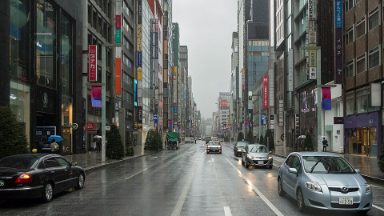 ufu. presents Great Baked Sweets ExpoOct 21 (Wed) – Oct 27 (Tue) · Ginza Mitsukoshi Main Bldg B2F GINZA Stage & Event Space · on site
 Ginza Burat Special #225 Café Ginza 17 (Christmas songs)Dec 16 (Wed) · Oji Hall (Ginza) · on site
 Lovit! Gourmet FestivalOct 28 (Wed) – Nov 9 (Mon) · Ginza Mitsukoshi, Annex 7F Event Hall · on site
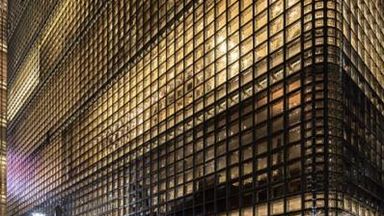 Ann Veronica Janssens: “5-4-1 Ginza, Tokyo”Sep 11 (Fri) – Jan 11 (Mon) · Ginza Maison Hermès Le Forum · 0.2 km · free
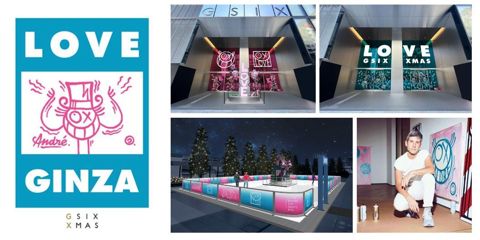 Rooftop Star Skating Rink (GINZA SIX XMAS 2026)Nov 14 (Sat) – Feb 14 (Sun) · GINZA SIX Rooftop Garden · 0.2 km
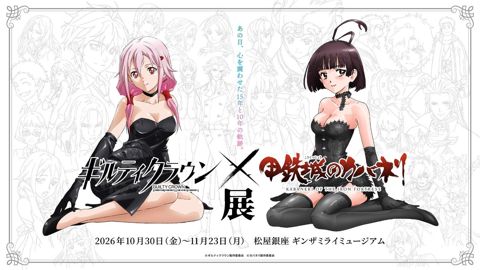 Guilty Crown × Kabaneri of the Iron Fortress ExhibitionOct 30 (Fri) – Nov 23 (Mon, holiday) · Ginza Mirai Museum (Matsuya Ginza Namiki-dori Bldg) · 0.3 km
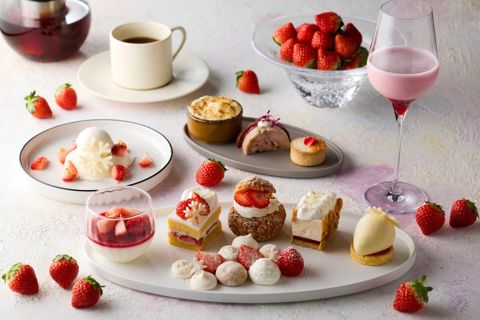 Milky Strawberry Afternoon Tea (Hyatt Centric Ginza Tokyo)Nov 3 (Tue, holiday) – Feb 28 (Sun) · Hyatt Centric Ginza Tokyo 3F NAMIKI667 Bar & Lounge · 0.3 km
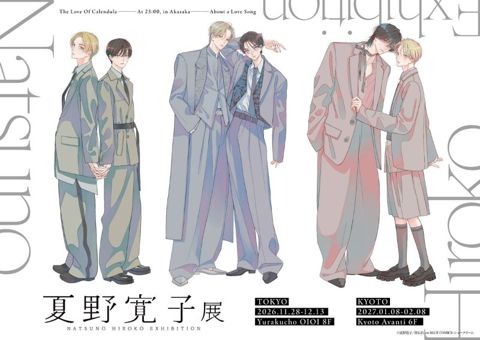 Natsuno Hiroko Exhibition (Yurakucho Marui)Nov 28 (Sat) – Dec 13 (Sun) · Yurakucho Marui 8F Event Space · 0.3 km
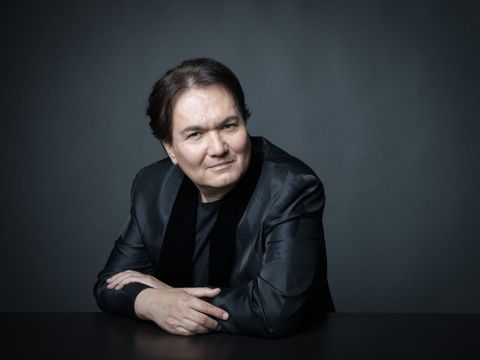 John Ken Nuzzo Christmas Concert (12th)Dec 23 (Wed) · YAMAHA Hall (Yamaha Ginza Bldg 7F) · 0.3 km
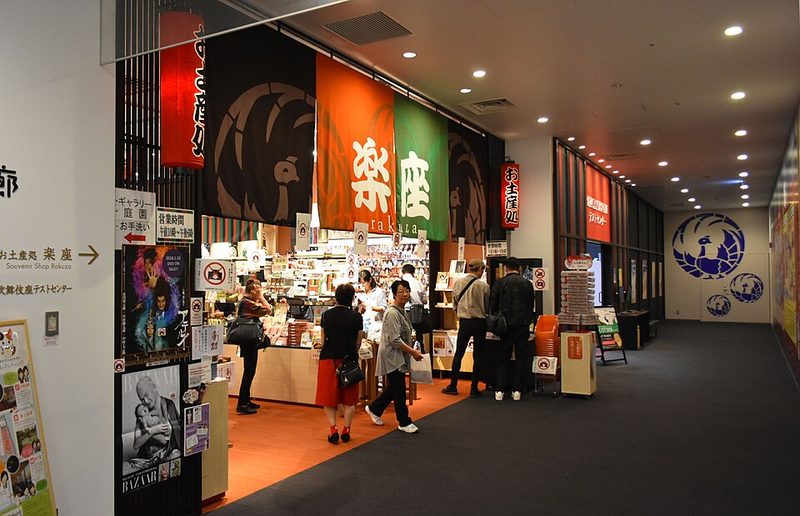 12th Neko-ten: Cat Art & Goods FairNov 1 (Sun) – Nov 29 (Sun) · Kobikicho Hiroba (Kabukiza Tower B2F) · 0.4 km · free
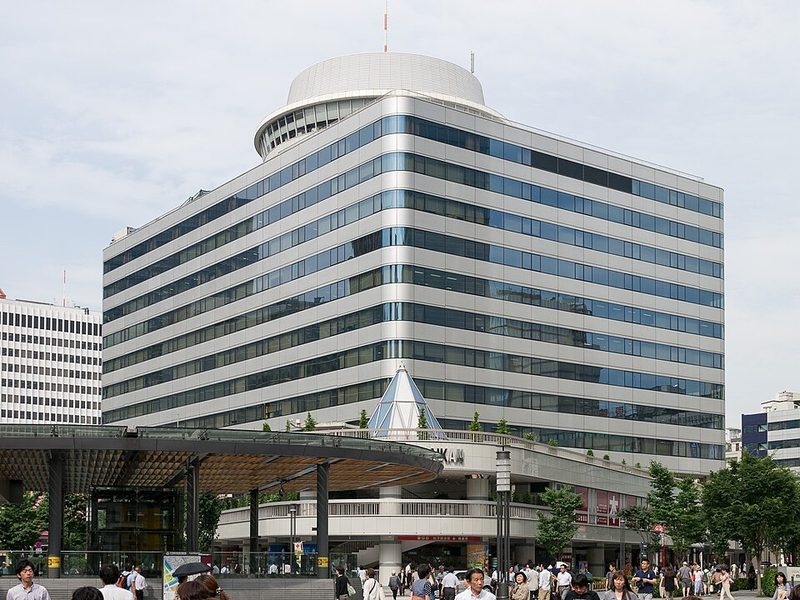 Toyama Gourmet & Food Fair 2026 (Yurakucho Ikiiki Toyama-kan)Nov 2 (Mon) – Nov 4 (Wed) · Yurakucho Ikiiki Toyama-kan Event Corner (Tokyo Kotsu Kaikan B1F) · 0.4 km
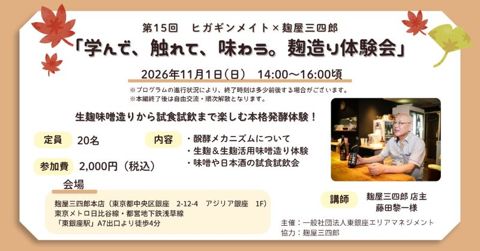 15th Higagin Mate: Learn, Touch and Taste — Koji-Making ExperienceNov 1 (Sun) · Kojiya Sanshiro main store · 0.4 km
Visiting info
| Pedestrian paradise | Saturdays, Sundays and holidays on Ginza-dori (Chuo-dori, 1-chome to 8-chome). April–September 12:00–18:00, October–March 12:00–17:00. Cancelled in bad weather and over the New Year at the police's discretion. Walk your bicycle; performances, selling and costume parades are not allowed |
|---|---|
| Clock tower (Seiko House Ginza, formerly Wako) | At the Ginza 4-chome crossing. A Westminster chime rings every hour on the hour |
| Kabuki-za | 4-12-15 Ginza, Chuo-ku, Tokyo. Directly connected to Higashi-Ginza Station Exit 3; about 5 min walk from Ginza Station Exit A7. The rooftop garden and the 5th-floor Kabukiza Gallery are free. Single-act seats are sold on the day, first come, first served |
| GINZA SIX Garden | Rooftop garden at 6-10-1 Ginza, Chuo-ku. Free. 2 min walk from Ginza Station Exit A3 |
| Getting there | Tokyo Metro Ginza Station (Ginza, Marunouchi and Hibiya lines), Ginza-itchome Station (Yurakucho Line), Higashi-Ginza Station (Hibiya and Toei Asakusa lines). About 5 min walk from JR Yurakucho Station; 3 min from Tokyo Station on the Marunouchi Line (about 15 min on foot) |
Checked on 2026-10-27 against the official pages. Hours and fees can change; please check before you go.
Sources: 銀座通連合会「銀座の歩行者天国」 (Japanese) / GO TOKYO「銀座」 (Japanese) / ニッポン旅マガジン「和光・時計塔」 (Japanese) / nippon.com「銀座『歌舞伎座』へ」 (Japanese) / LIVE JAPAN「歌舞伎座の楽しみ方」 (Japanese) / エンジョイ東京「GINZA SIX」 (Japanese)
Why is it called Ginza?
Before the Edo period this area was a shallow sandbar, Edo-mae-jima, jutting into the Hibiya inlet. In 1612 the shogunate moved its silver office, the Ginza, here from Sunpu. The town's official name was Shin-Ryogaecho, but the name Ginza caught on. The gold mint, the Kinza, was in Nihonbashi, where the Bank of Japan head office stands today.
The silver office moved to Kakigaracho in Nihonbashi in 1800, but the name stayed, and in 1869 Shin-Ryogaecho 1-chome became Ginza 1-chome. In 1872 a fire that started at Wadakura Gate burned the whole area, and to build a fireproof town, a brick district, the Ginza Brick Town, was laid out to designs by the British architect Thomas Waters. Streets were widened to 15 ken (about 27 m), split into roadway and sidewalks, and lit with gas lamps.
The 1923 Great Kanto Earthquake burned most of the brick town, but Matsuzakaya opened in 1924, Matsuya in 1925 and Mitsukoshi in 1930, and by 1929 Ginza's land rents had overtaken Nihonbashi's. Air raids in 1945 burned much of it again. On August 2, 1970, pedestrian paradises began in Ginza, Shinjuku, Ikebukuro and Asakusa.
Sources: ニッポン旅マガジン「銀座発祥の地碑」 (Japanese) / 銀座通連合会「銀座の歴史」 (Japanese) / GO TOKYO「銀座」まち歩きマップ(2025年11月) (Japanese) / 銀座通連合会「銀座の歩行者天国」 (Japanese)
The 4-chome clock tower stands on a newspaper's old site
Hattori Kintaro, who started out repairing watches, opened the Hattori watch shop in 1881. In 1894 he bought the former office of the Choya Shimbun newspaper on the corner of Ginza 4-chome, remodeled it, and in January 1895 opened a shop topped by a large clock tower. That was the first clock tower.
Today's tower is the second, on a Neo-Renaissance building designed by Watanabe Jin and completed in June 1932. The dial is 2.4 m across and the long hand 1.17 m. The Westminster chime has rung since June 10, 1954 — Time Day in Japan — and on the same date in 2022 the Wako main building reopened as Seiko House Ginza.
Sources: ニッポン旅マガジン「和光・時計塔」 (Japanese) / サライ.jp「セイコーハウス銀座」 (Japanese) / Time Out Tokyo「和光本館がセイコーハウス銀座に」 (Japanese)
Two theories behind "Gin-bura"
The word gin-bura, strolling in Ginza, appeared around 1915–1916. One theory says it was slang for idlers loafing about Ginza; another says it came from Keio students going to Ginza for Brazilian coffee.
It is now in the Kojien dictionary, and every August the Ginza street association holds "Yukata de Gin-bura," a stroll in summer kimono.
Sources: 銀座通連合会「銀座の歴史」 (Japanese) / 銀座通連合会「ゆかたで銀ぶら2024」 (Japanese)
The shopkeepers who fought for the willows
The cherry, pine and maple trees planted in the brick town died; the willows took root. They became the face of Ginza, and in 1919 local shops formed the Kyoshin Rengokai to oppose their removal.
Tokyo City removed them anyway in 1921. Amid the revival after the Great Kanto Earthquake, the willows returned to Ginza in 1932.
Sources: 銀座通連合会「銀座の歴史」 (Japanese) / GO TOKYO「銀座」まち歩きマップ(2025年11月) (Japanese)
A town of anpan, cafes and beer halls
In 1874 Kimuraya began selling sake-yeast anpan, said to be the origin of the sweet bean bun. In 1899 the Yebisu Beer Hall opened, Japan's first beer hall.
In 1911 the painter Matsuyama Shozo opened Cafe Printemps, named by Osanai Kaoru; Nagai Kafu and Mori Ogai were members. A 1929 police survey counted about 600 cafes and bars in Ginza.
Sources: GO TOKYO「銀座」まち歩きマップ(2025年11月) (Japanese) / 銀座通連合会「銀座の歴史」 (Japanese)
Today's Kabuki-za is the fifth
Kabuki-za opened in Kobikicho in 1889. It was rebuilt four times: the fourth theater opened in 1951 and the fifth in April 2013. The fifth, designed by Kuma Kengo, carries on the tiled roofs and karahafu gables of the prewar third and postwar fourth theaters and comes with the 29-story Kabukiza Tower. It seats 1,904.
Beside the main entrance is the Kabuki Inari shrine, where prayers for full houses and safe performances are offered on opening and closing days.
Sources: nippon.com「銀座『歌舞伎座』へ」 (Japanese) / GO TOKYO「銀座」まち歩きマップ(2025年11月) (Japanese)
Ginza in the air raids
During the war, street lights and tram rails were removed for military use, and major theaters were closed in 1944. Ginza's first air raid came on January 27, 1945, when a bomb hit Taimei Elementary School and killed a teacher.
The raids of March 9 and 10 and May 25 burned most of Ginza. Today's bustle rose from the ashes twice: after the earthquake and after the war.
Sources: 銀座通連合会「銀座の歴史」 (Japanese)
Getting there by taxi and bus
🚕 Taxi
- Weekday late-night rule, 22:00-1:00 In the Ginza zone you can only board taxis (and hire cars) at designated stands during this time. Check the numbered stand map at night.
🚌 Bus
- Ginza 4-chome (銀座四丁目), stop 1 Toei Bus 都03 for Yotsuya Station / 都04 for Tokyo Station Marunouchi South Exit / 業10 for Shimbashi
- Ginza 4-chome, stop 2 Toei Bus 都03 for Harumi 5-chome Terminal / 都05-1 for Harumi Futo / 都04 for Toyomi Suisan Futo
- Ginza 4-chome, stop 3 Toei Bus 業10 for Tokyo Skytree Station
- Ginza 4-chome, stop 4 Toei Bus 都05-2 for Tokyo Big Sight
- Ginza Nishi 6-chome / Ginza 6-chome Toei Bus 業10 for Shimbashi / Tokyo Skytree Station (Ginza 6-chome stops only after 20:00)
Other ways to get around
- Shuttle to teamLab Planets (paid) A paid shuttle runs between GINZA SIX and teamLab Planets in Toyosu.
Ginza has many subway stations; bus routes are limited. You can also book a taxi by app: GO works in English with foreign phone numbers and cards, Uber books licensed taxis in Tokyo, and since early 2026 visitors can call S.RIDE taxis through DiDi in the 23 wards and nearby.
Sources: Toei Bus stop guide: Ginza (Japanese) / DIME: Ginza taxi rules (Japanese) / teamLab Planets access (Japanese) / Tokyo Cheapo: How to catch a taxi in Tokyo / Japan Taxi Apps for Tourists (Oct 12, 2026)
Our suggested route
- Ginza-itchome Station and the Okuno Building (about 10 min) Start at the Kyobashi end in 1-chome and peek into the prewar apartment building with its hand-operated elevator.
- Birthplace of Ginza monument (about 5 min) In front of Tiffany in 2-chome, where the silver office once stood.
- Ginza Gas-to-dori and the Brick Ginza monument (about 5 min) On this 3-chome street, see the restored gas lamps of the Meiji brick town.
- The 4-chome crossing and clock tower (about 10 min) Time it for the hourly chime. On weekends and holidays, listen from the car-free roadway.
- Kabuki-za (about 30 min) Walk east on Harumi-dori. The 5th-floor rooftop garden, Goemon stairs and Kabukiza Gallery, plus models of past Kabuki-za buildings in the 4th-floor corridor.
- GINZA SIX Garden or Ginza Terrace at Mitsukoshi (about 20 min) Finish with a rest on a rooftop overlooking the streets of Ginza.
We found no source giving walking times. These are our estimates: about 1.5 hours in total without shopping.
Sources: nippon.com「銀座奥野ビル」 (Japanese) / ニッポン旅マガジン「銀座発祥の地碑」 (Japanese) / GO TOKYO「銀座」まち歩きマップ(2025年11月) (Japanese) / ニッポン旅マガジン「和光・時計塔」 (Japanese) / nippon.com「銀座『歌舞伎座』へ」 (Japanese) / エンジョイ東京「GINZA SIX」 (Japanese)
What to see by season
| All year (weekends and holidays) | Pedestrian paradise on Ginza-dori, until 18:00 from April to September and until 17:00 from October to March |
|---|---|
| June 10 (Time Day) | The day the clock tower chime began (1954), and the day the building reopened as Seiko House Ginza (2022) |
| August | "Yukata de Gin-bura" (since 2007), with bon dancing and water sprinkling on Ginza-dori. In 2024 it was held on August 3 and ran into the evening for the first time |
| Late November – December 25 | The Christmas tree in the show window of Mikimoto's Ginza 4-chome flagship (in 2018: November 23 – December 25, 11:00–23:00) |
Sources: 銀座通連合会「銀座の歩行者天国」 (Japanese) / ニッポン旅マガジン「和光・時計塔」 (Japanese) / Time Out Tokyo「和光本館がセイコーハウス銀座に」 (Japanese) / 銀座通連合会「ゆかたで銀ぶら2024」 (Japanese) / 共同通信PRワイヤー「MIKIMOTO GINZA TREE 2018」 (Japanese)
Ginza or Nihonbashi?
The gold mint was in Nihonbashi; the silver mint was here. In the Edo period, kimono shops in Owari-cho (today's Ginza) are said to have rivaled Mitsui Echigoya in Nihonbashi, though Ginza had declined by the end of the era. After the earthquake, department stores opened one after another, and by 1929 Ginza's land rents had passed Nihonbashi's, making it the top district in Japan.
Our take: for the traces of the Meiji brick town, the clock tower, kabuki and a weekend walk down the middle of the road, all in half a day, choose Ginza. Hunt for the rooftop gardens and alley shrines and you will see a Ginza quite different from its luxury-brand image.
Sources: 銀座通連合会「銀座の歴史」 (Japanese) / ニッポン旅マガジン「銀座発祥の地碑」 (Japanese)
Nearby: combine with
- Tsukiji Outer Market About 10 minutes on foot from Ginza and Shiodome, according to GO TOKYO. Our suggestion: head over from the Kabuki-za side of Higashi-Ginza to graze your way through the market.
- Hama-rikyu Gardens A daimyo garden with a seawater tidal pond near the Tsukiji Outer Market. See also Kyochika's Hama-rikyu guide.
- Tokyo Station and Marunouchi 3 minutes on the Marunouchi Line, or about 15 minutes on foot. Compare the zodiac reliefs in the red-brick station's domes.
- Yurakucho About 5 minutes on foot from JR Yurakucho Station. If you come by JR, enter from Yurakucho and walk through to Ginza-itchome.
Sources: GO TOKYO「築地」 (Japanese) / GO TOKYO「銀座」 (Japanese)
Little-known spots
- Birthplace of Ginza monument
- A stone in Ginza 2-chome, in front of the Tiffany & Co. flagship, marking where the silver office was set up in 1612.
- Brick Ginza monument and gas lamps
- The Meiji brick town had 85 gas lamps. Four restored lamps stand on Ginza Gas-to-dori in 3-chome, including behind the Brick Ginza monument.
- Kabuki-za rooftop garden and Goemon stairs
- The free garden on the great roof holds a stone lantern and water basin from the garden of Kawatake Mokuami, a kabuki playwright of the late Edo and Meiji eras. The vermilion Goemon stairs down to the 4th floor are named after the outlaw Ishikawa Goemon's line "What a view, what a view!" Look closely at the phoenix crests on the roof tiles: one faces the other way.
- Okuno Building
- In Ginza 1-chome, the former Ginza Apartments, built in 1932 and 1934. Its elevator with hand-operated doors survives, and small galleries and shops fill the rooms. Apartment buildings were rare in Ginza even then, and this is described as virtually the only one that survives.
- Tiny shrines on rooftops and in alleys
- Ginza Mitsukoshi's 9th-floor Ginza Terrace has the Ginza Shusse Jizo, and the alleys hide Toyoiwa Inari (for matchmaking), Hodo Inari (for children's health) and more. Seiko Inari and Ginza Inari are normally closed to the public.
Sources: ニッポン旅マガジン「銀座発祥の地碑」 (Japanese) / GO TOKYO「銀座」まち歩きマップ(2025年11月) (Japanese) / nippon.com「銀座『歌舞伎座』へ」 (Japanese) / LIVE JAPAN「歌舞伎座の楽しみ方」 (Japanese) / nippon.com「銀座奥野ビル」 (Japanese) / 中央区「近代建築物調査 奥野ビル」 (Japanese)
FAQ
What are the opening hours of Ginza?
Saturdays, Sundays and holidays on Ginza-dori (Chuo-dori, 1-chome to 8-chome). April–September 12:00–18:00, October–March 12:00–17:00. Cancelled in bad weather and over the New Year at the police's discretion. Walk your bicycle; performances, selling and costume parades are not allowed
How do I get to Ginza?
Tokyo Metro Ginza Station (Ginza, Marunouchi and Hibiya lines), Ginza-itchome Station (Yurakucho Line), Higashi-Ginza Station (Hibiya and Toei Asakusa lines). About 5 min walk from JR Yurakucho Station; 3 min from Tokyo Station on the Marunouchi Line (about 15 min on foot)
Why is it called Ginza?
Before the Edo period this area was a shallow sandbar, Edo-mae-jima, jutting into the Hibiya inlet. In 1612 the shogunate moved its silver office, the Ginza, here from Sunpu. The town's official name was Shin-Ryogaecho, but the name Ginza caught on. The gold mint, the Kinza, was in Nihonbashi, where the Bank of Japan head office stands today.
What are some little-known spots in Ginza?
Birthplace of Ginza monument, Brick Ginza monument and gas lamps, Kabuki-za rooftop garden and Goemon stairs, Okuno Building, Tiny shrines on rooftops and in alleys.