Harajuku and Takeshita Street guide: history, hidden spots and events nearby
A town whose old post-station name vanished from the map and survives only as a station name. Takeshita Street in front of the station became a youth hangout from the late 1970s, and under the narrow back lane of Cat Street still flows the river where Hokusai painted a waterwheel. The forest of Meiji Jingu and the zelkova-lined Omotesando are right next door.
Kyochika's tips
- Our recommendation: walk Takeshita Street to the end, cross Meiji-dori and turn into Cat Street. The mood switches from the bustle of Takeshita to a quiet back lane of vintage and select shops.
- Takeshita Street is pedestrian-only from 11:00 to 18:00, which is also when it is busiest. For a calmer walk, it may be best to arrive as the shops are opening.
Events near Harajuku and Takeshita Street now and coming up
Within 1.5 km, nearest first. Checked against official pages.
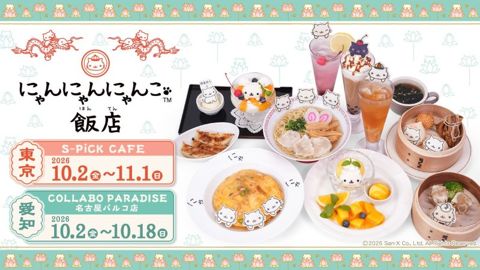 Nyan Nyan Nyanko Collab Cafe: Nyanko HantenOct 2 (Fri) – Nov 1 (Sun) · S-PiCK CAFE (Jingumae 115 Bldg 3F) · 0.2 km
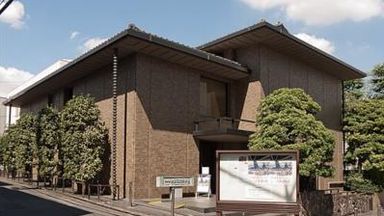 Katsushika Oi’s “Night Scene in the Yoshiwara” and the Lineage of Night ViewsOct 6 (Tue) – Dec 6 (Sun) · Ota Memorial Museum of Art · 0.3 km
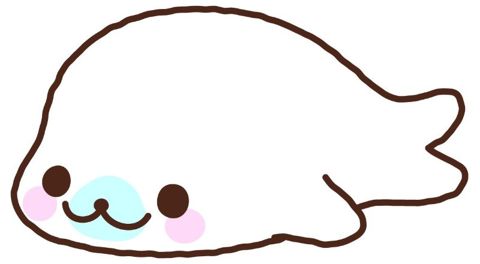 Mamegoma x MILK MILK MILK! Collab CafeOct 16 (Fri) – Nov 12 (Thu) · MILK MILK MILK! (Laforet Harajuku 2F) · 0.3 km
 60% MEETS HARAJUKUOct 16 (Fri) – Oct 29 (Thu) · Laforet Harajuku 2F, Container · 0.4 km
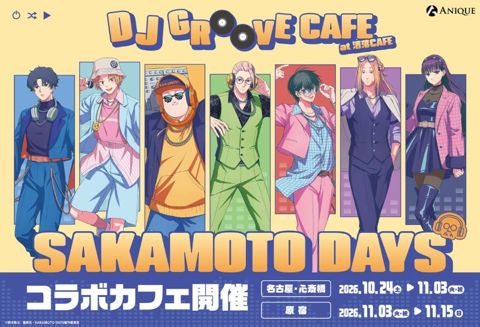 SAKAMOTO DAYS DJ GROOVE CAFE at Share Cafe (Harakado)Nov 3 (Tue, holiday) – Nov 15 (Sun) · Share Cafe Harakado (Tokyu Plaza Harajuku Harakado 6F) · 0.4 km
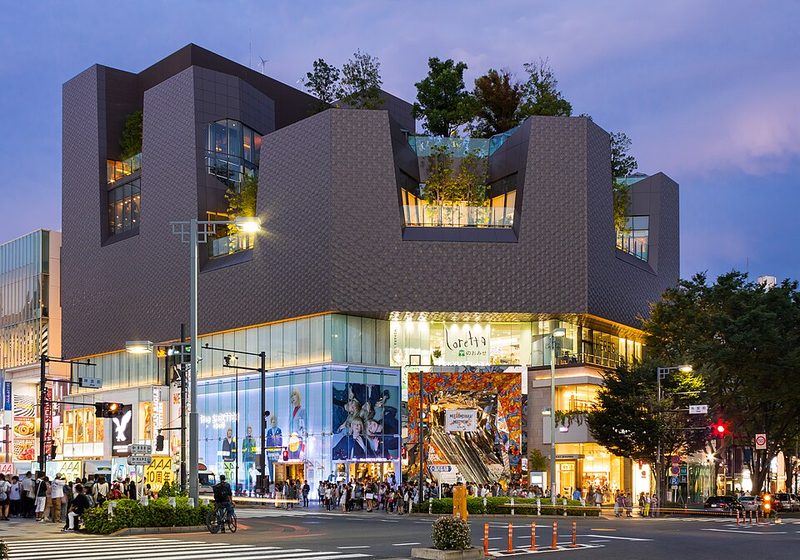 Omotesando Craft Beer Festa 2026Nov 15 (Sun) · Tokyu Plaza Omotesando Omokado 6F, Omohara no Mori · 0.4 km
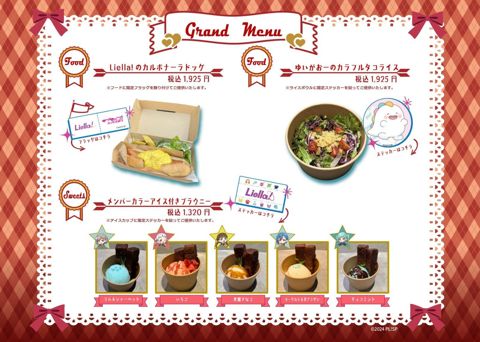 Love Live! Superstar!! POP UP SHOP (Kiddyland Harajuku)Oct 30 (Fri) – Nov 12 (Thu) · Kiddyland Harajuku · 0.4 km
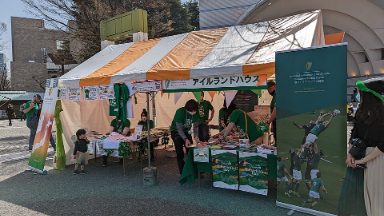 Santa Parade Tokyo 2026 (Yoyogi Park)Nov 15 (Sun) · Yoyogi Park Event Plaza · 0.5 km
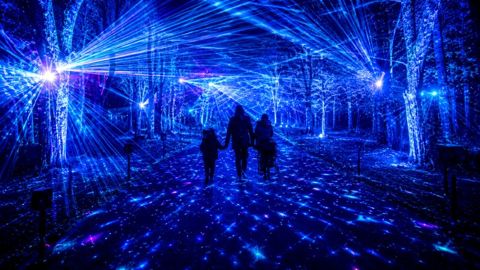 Yoyogi Forest of LightsNov 13 (Fri) – Jan 11 (Mon) · Yoyogi Park (Cycling Course Area) · 0.6 km
- Yoyogi Park Festa: "Moist Potpourri with Herbs"Nov 3 (Tue, holiday) · Yoyogi Park, Herb Garden in Flower Land · 0.6 km
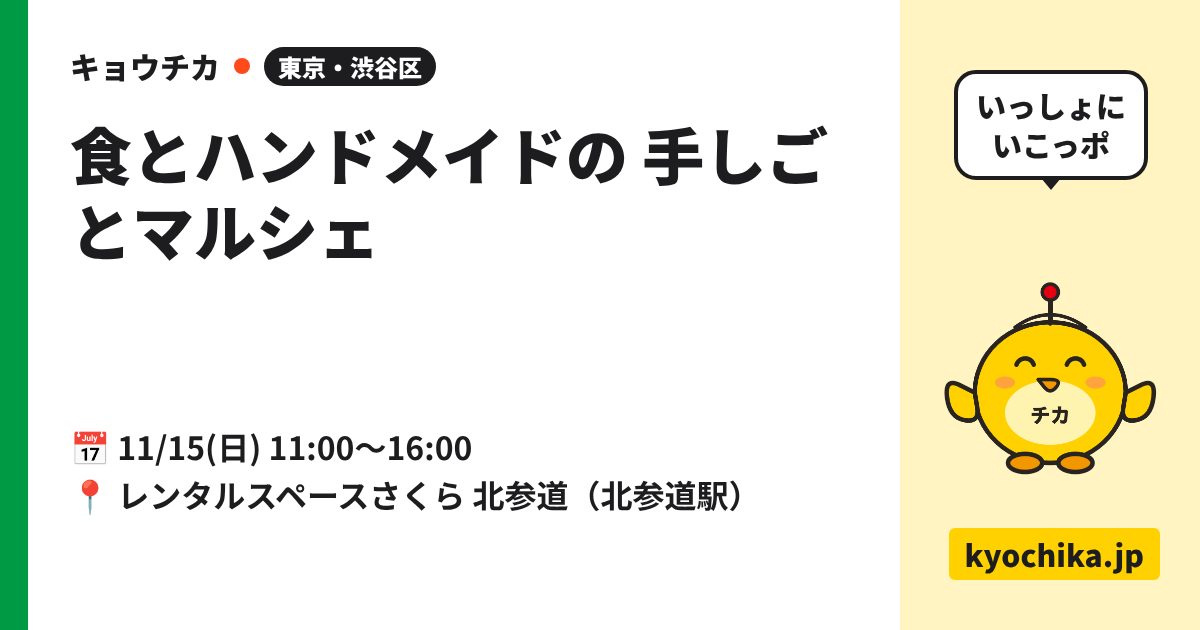 Food & Handmade Teshigoto MarcheNov 15 (Sun) · Rental Space Sakura Kitasando · 0.6 km
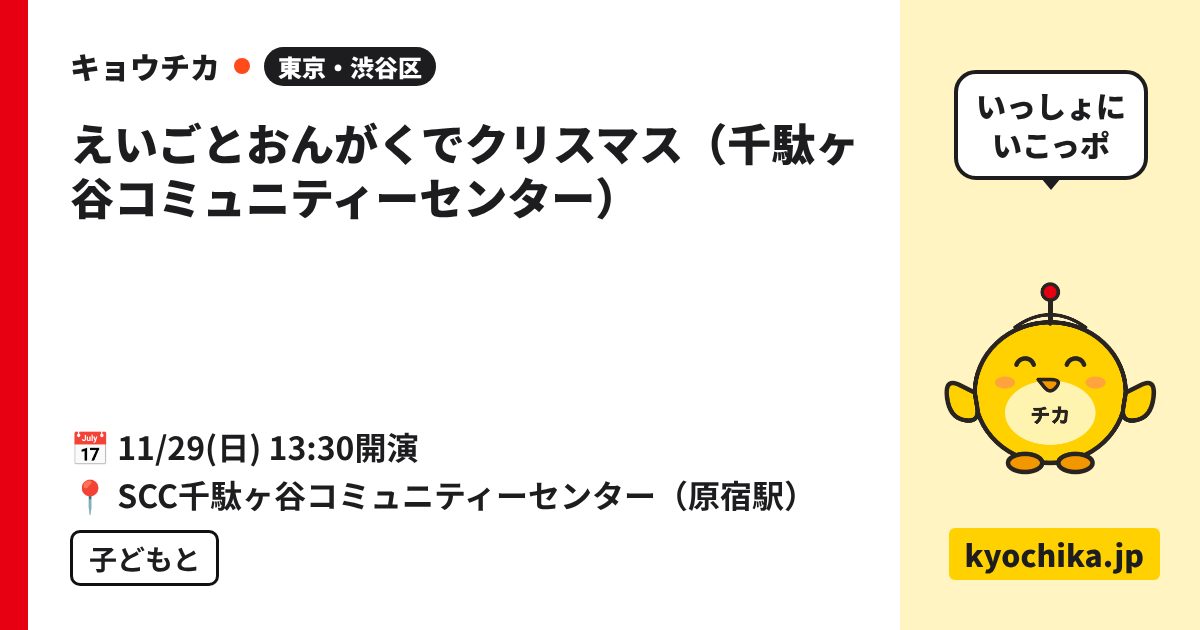 English & Music Christmas for babies and preschoolers (Sendagaya Community Center)Nov 29 (Sun) · SCC Sendagaya Community Center · 0.7 km
Visiting info
| Location | Jingumae, Shibuya-ku, Tokyo (east of JR Harajuku Station) |
|---|---|
| Getting there | Takeshita Street is right outside the Takeshita exit of JR Harajuku Station (Yamanote Line). Cat Street is about 4 min on foot from Meiji-jingumae <Harajuku> Station (Tokyo Metro Chiyoda and Fukutoshin lines) or about 7 min from JR Harajuku |
| Takeshita Street | A shopping street of about 350 m from Harajuku Station to Meiji-dori. Closed to cars and especially crowded 11:00–18:00 |
| Shop hours | Vary by shop (check each shop's official site) |
| Admission | Free to walk around |
Checked on 2026-10-27 against the official pages. Hours and fees can change; please check before you go.
Sources: GLTJP「竹下通り」 (Japanese) / GLTJP「キャットストリート(旧渋谷川遊歩道)」 (Japanese) / nippon.com「原宿:「宿場」を示す古くからの地名が地図から消え、駅名にだけ残った」 (Japanese)
What was Harajuku originally?
Harajuku was a post station on the old Kamakura Road linking Sagami and Musashi provinces. The Shinpen Musashi Fudoki-ko says the name came from the road and its post station. "Hara" is thought to mean grassland, but no document says so clearly. The mid-16th-century Odawara-shu Shoryo Yakucho already lists "Edo Harajuku," so it was a place name by the Sengoku period.
Harajuku Station opened on October 30, 1906, about 500 m north of its current site. Meiji Jingu was established in 1920, and in 1924 the station moved to its present location, with a two-story wooden station building. An imperial platform followed in 1925.
After the war, the former Yoyogi drill ground became Washington Heights, US military housing. After its return it served as the athletes' village for the 1964 Tokyo Olympics and became Yoyogi Park in 1967. An address reorganization in the late 1960s replaced the names Harajuku and Onden with "Jingumae," leaving Harajuku only as a station name.
Sources: nippon.com「原宿:「宿場」を示す古くからの地名が地図から消え、駅名にだけ残った」 (Japanese) / 三井住友トラスト不動産「このまちアーカイブス 「明治神宮」の鎮座と原宿の発展」 (Japanese)
A village given to the Iga warriors who saved Ieyasu
After the Honnoji Incident of 1582, warriors from Iga helped Tokugawa Ieyasu escape. Ieyasu later gave them part of Harajuku village, which became Onden village.
The name, which can be read as "hidden fields," is sometimes linked to ninja, but that connection is said to be a later association. Such a village once stood in a corner of today's Jingumae.
Sources: nippon.com「原宿:「宿場」を示す古くからの地名が地図から消え、駅名にだけ残った」 (Japanese)
Hokusai's Waterwheel at Onden
Katsushika Hokusai's Thirty-Six Views of Mount Fuji (1831–1833) includes "Waterwheel at Onden." Onden village was in today's Harajuku area of Jingumae.
The Shibuya River (Onden River) that flowed nearby is now underground. The waterwheel on its bank was one of Edo's famous sights, and the print contrasts busy workers and the turning wheel with distant Mount Fuji. Remember the river beneath your feet as you walk Cat Street.
Sources: 東京富士美術館(ジャパンサーチ)「冨嶽三十六景 穏田の水車」 (Japanese) / 文春オンライン「東京のど真ん中を流れる「渋谷川」の暗渠には何がある?」(本田創) (Japanese)
Three years that made Takeshita Street
It used to be a quiet residential area. In 1977 the Harajuku Takeshita-dori shopping association was formed, and Marion Crepes opened the same year.
In 1978 Laforet Harajuku opened at the Jingumae intersection and drew crowds from the station, and in 1979 Boutique Takenoko opened on the street. The Takenoko-zoku, young people in its outfits dancing in the Yoyogi Park pedestrian zone, became a social phenomenon.
Sources: ニッポン旅マガジン「竹下通り、その歴史を探る」 (Japanese)
Omotesando's car-free Sundays ended in 1998
Harajuku's pedestrian zone began in 1977 to curb noise from motorcycle gangs who had appeared on Omotesando that year.
It was abolished in 1998. Today's Sunday pedestrian zones are in Ginza, Shinjuku and Akihabara, not Harajuku.
Sources: ウォーカープラス「渋谷区Walker」 (Japanese) / 警視庁「歩行者用道路(歩行者天国)」 (Japanese)
Only the station kept the name
In the late-1960s address reorganization, Harajuku and Onden became "Jingumae." The Takeshita-cho town name also ended in 1965.
The wooden station building of 1924 was replaced by a new one in March 2020. The name Harajuku, dating back to the Kamakura Road, now lives on in the station sign.
Sources: nippon.com「原宿:「宿場」を示す古くからの地名が地図から消え、駅名にだけ残った」 (Japanese)
Getting there by taxi and bus
🚌 Bus
- Harajuku Station (原宿駅), stops 1-2 Toei Bus 早81 for Waseda University Main Gate / Shibuya Station East Exit
- Omotesando (表参道), stop 3 Toei Bus 池86 for Shibuya Station East Exit
- Omotesando (表参道), stop 4 Toei Bus 早81 for Waseda University Main Gate
- Omotesando (表参道) Toei Bus 池86 for Ikebukuro Sunshine City (stop number not listed)
Trains are the fastest way to Harajuku; buses are limited. We could not confirm taxi stand locations, so none are listed. Toei Bus has a flat adult fare of 210 yen. You can also book a taxi by app: GO works in English with foreign phone numbers and cards, Uber books licensed taxis in Tokyo, and since early 2026 visitors can call S.RIDE taxis through DiDi in the 23 wards and nearby.
Sources: Toei Bus stop guide (Japanese) / GO TOKYO: Buses (Japanese) / Tokyo Cheapo: How to catch a taxi in Tokyo / Japan Taxi Apps for Tourists (Oct 12, 2026)
Our suggested route
- JR Harajuku Station, Takeshita exit The entrance to Takeshita Street is straight ahead.
- Takeshita Street Walk the 350 m street to Meiji-dori, crepe in hand (about 20–30 min).
- Togo Shrine About 3 min from the Takeshita exit. Rest in the grounds of the shrine of victory (about 15 min).
- Laforet Harajuku and the Ota Memorial Museum of Art Head along Meiji-dori to the Jingumae intersection and see ukiyo-e at the museum, about 3 min from Exit 5 of Meiji-jingumae Station (about 45 min).
- Cat Street From near the Jingumae intersection, walk the back lane of vintage and select shops toward Shibuya (about 30 min).
We found no source giving walking times. The times in brackets are our estimate; the whole route takes about 2 hours. Check shop and museum hours on their official sites.
Sources: GLTJP「竹下通り」 (Japanese) / LIVE JAPAN「東郷神社」 (Japanese) / GO TOKYO「太田記念美術館」 (Japanese) / GLTJP「キャットストリート(旧渋谷川遊歩道)」 (Japanese) / MATCHA「原宿から渋谷に続く「キャットストリート」」 (Japanese)
What to see by season
| New Year | First shrine visit at neighboring Meiji Jingu, which drew 3.19 million people over the first three days of 2009. We will add the 2027 details when announced |
|---|---|
| Late August | Harajuku Omotesando Genki Matsuri Super Yosakoi around Meiji Jingu, Omotesando and Yoyogi Park. In 2024 more than 100 teams came from across Japan (free) |
| December | Illumination of the Omotesando zelkova trees. In 2025 it ran along about 1 km from Jingubashi to the Omotesando intersection, from sunset to 22:00. We will add the 2026 dates when announced |
Sources: nippon.com「原宿:「宿場」を示す古くからの地名が地図から消え、駅名にだけ残った」 (Japanese) / タイムアウト東京「東京、8月24・25日に開催される祭り3選」 (Japanese) / ファッションプレス「表参道 フェンディ イルミネーション 2025」 (Japanese)
Takeshita Street, Cat Street or Omotesando?
Takeshita Street packs shops into about 350 m by the station, and according to Nippon Tabi Magazine about half its visitors are from abroad. Cat Street is a narrow lane on the old Shibuya River with small select shops, vintage stores and street brands: "Ura-Harajuku." Omotesando is the zelkova-lined avenue, home to Omotesando Hills, designed by Tadao Ando and built in 2006.
Our take: for the classic Tokyo buzz on a first visit, Takeshita Street; to hunt for a piece of your own, Cat Street; to walk among architecture and brands, Omotesando. All three connect on foot.
Sources: GLTJP「竹下通り」 (Japanese) / ニッポン旅マガジン「竹下通り、その歴史を探る」 (Japanese) / GLTJP「キャットストリート(旧渋谷川遊歩道)」 (Japanese) / GO TOKYO「青山&表参道周辺めぐり」 (Japanese)
Nearby: combine with
- Meiji Jingu Just west of Harajuku Station. A forest of about 220,000 tsubo established in 1920; walking it before or after Takeshita Street makes a striking contrast.
- Yoyogi Park Opened in 1967 on the site of Washington Heights and the Olympic village. A place to rest under open sky after the crowds.
- Omotesando and Aoyama About 10 min on foot from Omotesando Hills to the Nezu Museum. Cat Street continues on to Shibuya.
Sources: nippon.com「原宿:「宿場」を示す古くからの地名が地図から消え、駅名にだけ残った」 (Japanese) / 三井住友トラスト不動産「このまちアーカイブス 「明治神宮」の鎮座と原宿の発展」 (Japanese) / GO TOKYO「青山&表参道周辺めぐり」 (Japanese) / MATCHA「原宿から渋谷に続く「キャットストリート」」 (Japanese)
Little-known spots
- The river under Cat Street
- Its official name is the Former Shibuya River Promenade. The upper Shibuya River (Onden River) was covered in 1962–1963; the sewer runs below and the road above.
- The imperial platform
- A platform for the imperial family completed in 1925. It was last used in 2001.
- Togo Shrine
- About 3 min from the Takeshita exit. Completed in 1940 to enshrine Admiral Togo Heihachiro, it is known as a shrine of victory. The current hall was completed in May 1964. Open 6:00–17:00.
- Ota Memorial Museum of Art
- About 15,000 ukiyo-e prints centered on the collection of businessman Ota Seizo. Displays change monthly, with about 70–100 works at a time. About 3 min from Exit 5 of Meiji-jingumae Station.
- Ryuganji temple
- About 1.2 km east of the station. In 1083, during the Later Three Years' War, Minamoto no Yoshiie, ancestor of Minamoto no Yoritomo, is said to have gathered his troops at its gate.
Sources: GLTJP「キャットストリート(旧渋谷川遊歩道)」 (Japanese) / 文春オンライン「東京のど真ん中を流れる「渋谷川」の暗渠には何がある?」(本田創) (Japanese) / nippon.com「原宿:「宿場」を示す古くからの地名が地図から消え、駅名にだけ残った」 (Japanese) / LIVE JAPAN「東郷神社」 (Japanese) / GO TOKYO「太田記念美術館」 (Japanese)
FAQ
What are the opening hours of Harajuku and Takeshita Street?
Jingumae, Shibuya-ku, Tokyo (east of JR Harajuku Station)
How much does Harajuku and Takeshita Street cost?
Free to walk around
How do I get to Harajuku and Takeshita Street?
Takeshita Street is right outside the Takeshita exit of JR Harajuku Station (Yamanote Line). Cat Street is about 4 min on foot from Meiji-jingumae <Harajuku> Station (Tokyo Metro Chiyoda and Fukutoshin lines) or about 7 min from JR Harajuku
What was Harajuku originally?
Harajuku was a post station on the old Kamakura Road linking Sagami and Musashi provinces. The Shinpen Musashi Fudoki-ko says the name came from the road and its post station. "Hara" is thought to mean grassland, but no document says so clearly. The mid-16th-century Odawara-shu Shoryo Yakucho already lists "Edo Harajuku," so it was a place name by the Sengoku period.
What are some little-known spots in Harajuku and Takeshita Street?
The river under Cat Street, The imperial platform, Togo Shrine, Ota Memorial Museum of Art, Ryuganji temple.