Ameyoko Shopping Street guide: history, hidden spots and events nearby
A shopping street running about 500 m along the JR elevated tracks from Ueno Station to Okachimachi Station. Born from a postwar black market, it was called “Ameya Yokocho” (Candy Shop Alley) after the hundreds of candy stalls that once lined it. Today about 400 shops call out to passersby, selling everything from fresh fish, dried foods and sweets to ingredients and street food from around the world.
Kyochika's tips
- Allow about an hour to walk the single street from the Ueno end to Okachimachi, snacking and wandering as you go. Our recommendation: after the shops at street level, go down to the basement of the Ameyoko Center Building. On the same street, it suddenly feels like a market in another country.
- At the end of the year, about 500,000 people a day are said to come to buy New Year food. Go in late December if you want to see the crowds themselves; any other time is probably better for browsing at your own pace.
Events near Ameyoko Shopping Street now and coming up
Within 1.5 km, nearest first. Checked against official pages.
 Yumeiro Patissiere POP UP SHOP (Ueno Marui)Nov 6 (Fri) – Nov 15 (Sun) · Ueno Marui 5F Calendarium · on site · free
 Aoi Hiiragi Pop-Up Shop (Ueno Marui)Oct 30 (Fri) – Nov 8 (Sun) · Ueno Marui 5F · 0.2 km · free
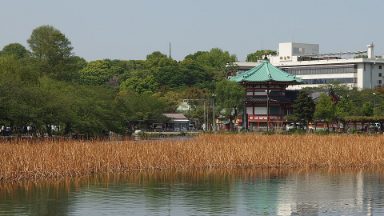 Tokyo Christmas AdventNov 6 (Fri) – Dec 25 (Fri) · Ueno Park (Hakamagoshi Plaza / Shinobazu Pond area) · 0.2 km · free
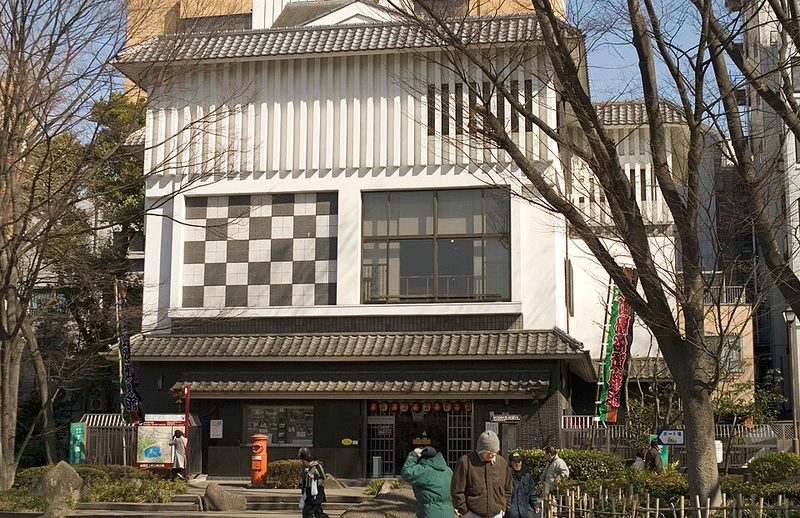 Exhibition: The Printing Power of Shitamachi – Nishiki-e, Postcards and SurimonoNov 3 (Tue, holiday) – Feb 28 (Sun) · Taito City Shitamachi Museum · 0.2 km
- Halloween Food Stall Village (Shitamachi Halloween 2026)Oct 30 (Fri) – Nov 1 (Sun) · Ueno Park, Bentenmon-mae Plaza · 0.3 km
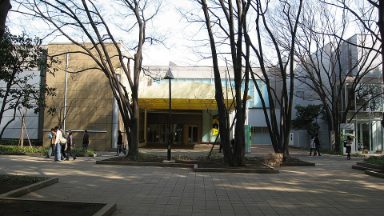 Cincinnati Art Museum: European Treasures That Crossed to AmericaOct 10 (Sat) – Jan 10 (Sun) · The Ueno Royal Museum · 0.3 km
- Animal Welfare Festival (Outdoor Event)Nov 14 (Sat) · Ueno Park, around Shinobazu Pond · 0.4 km
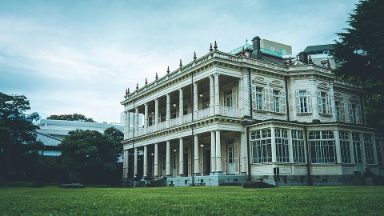 Kyogen on the Lawn at Kyu-Iwasaki-tei GardensNov 14 (Sat) · Kyu-Iwasaki-tei Gardens (lawn by the Western-style house) · 0.4 km
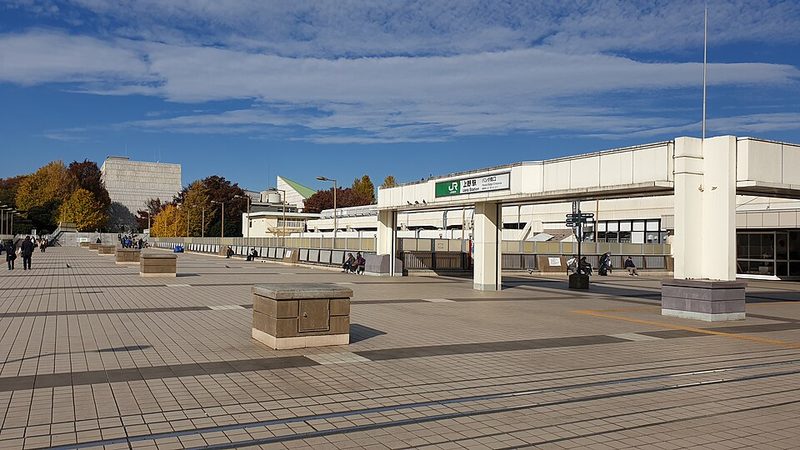 Pandabashi Wan-Wan Halloween 2026Oct 31 (Sat) – Nov 1 (Sun) · Panda Bridge, JR Ueno Station (outside Iriya gate) · 0.5 km · free
 Parent-Child Wonder Discovery Workshop (Taito City)Nov 23 (Mon, holiday) · Taito City Office 10F Meeting Room · 0.6 km · free
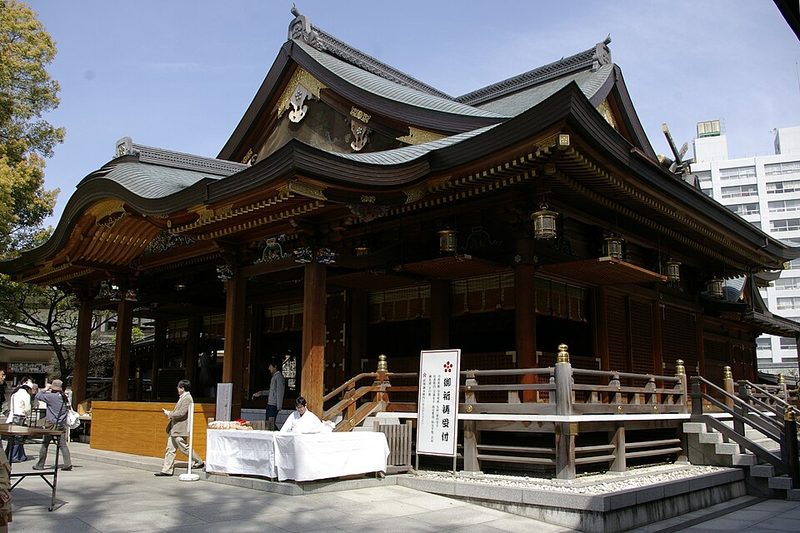 48th Bunkyo Chrysanthemum FestivalNov 1 (Sun) – Nov 23 (Mon, holiday) · Yushima Tenmangu Shrine · 0.6 km
- Tamba City Products Fair (Bunkyo Chrysanthemum Festival)Nov 14 (Sat) – Nov 15 (Sun) · Yushima Tenmangu Shrine · 0.6 km
Visiting info
| Hours | Vary by shop (roughly 8:00–20:00, according to MATCHA) |
|---|---|
| Closed | Open all year (varies by shop) |
| Admission | Free to walk the street |
| Payment | Varies by shop. Many shops sell face to face, and prices can be negotiated |
| Address | Ueno 4-chome and 6-chome, Taito-ku, Tokyo (GO TOKYO lists 6-10-7 Ueno) |
| Getting there | About 3 min walk from the Shinobazu Exit of JR Ueno Station; about 2 min from the North Exit of JR Okachimachi Station |
Checked on 2026-10-27 against the official pages. Hours and fees can change; please check before you go.
Sources: GO TOKYO: Ameyoko Shopping Street (Japanese) / ニッポン旅マガジン「アメ横」 (Japanese)
What was Ameyoko originally?
Late in the war, US incendiary bombing reduced central and eastern Tokyo to ashes. After the war ended in August 1945, rationing and economic controls continued, and black markets sprang up near busy stations such as Ueno. According to Gendai Business, Ueno's black market began as a hub for goods arriving by rail from Tohoku, Shinetsu and Chiba, and by 1947 stalls ran in a long line under the tracks from Ueno to Okachimachi.
Sugar was controlled, so stalls near Ueno Station sold sweet-potato candy and the like. Soon hundreds of candy shops stood here, and the area became known as “Ameya Yokocho.” According to Nippon Tabi Magazine, about 400 repatriates from Manchuria formed an association that controlled where stalls stood. A local merchants' association was formed in 1949.
When the Korean War began in 1950, US military surplus came onto the market, and shops selling American goods gathered near Okachimachi Station, an area called “America Yokocho.” In time it joined up with the candy street and the two “Ameyoko” became one. The goods shifted from candy to canned food, then to fresh fish and unusual items, giving the street its present form.
Sources: Japan Tourism Agency multilingual commentary database: Ameyoko: History / 現代ビジネス「敗戦直後の「上野」の意外な役割」 (Japanese) / ニッポン旅マガジン「アメ横」 (Japanese)
Is the “Ame” in Ameyoko candy or America?
According to the Japan Tourism Agency, traders from Tohoku used their earnings at the Ueno black market to buy candy, took it home and resold it for three to four times the price. Candy shops grew to several hundred, and the name “Ameya Yokocho” was born.
Another theory says the name comes from “America Yokocho,” where US military surplus was sold. Nippon Tabi Magazine calls the candy theory the most widely accepted but gives both. Either way, the people heading home north from Ueno Station and the goods of the postwar years gave this street its name.
Sources: Japan Tourism Agency multilingual commentary database: Ameyoko: History / ニッポン旅マガジン「アメ横」 (Japanese)
Shops left from “America Yokocho”
Nakata Shoten, founded in the 1950s, is one of the oldest shops on Ameyoko. It began when many merchants dealt in goods sourced from the US military, and it still sells mainly surplus boots, jackets and bags.
Okuma Shokai, in business for over half a century, specializes in sukajan: embroidered jackets said to have first been worn by US servicemen in Yokosuka after the war.
Sources: 観光庁 多言語解説文データベース「アメ横見どころ」 (Japanese)
Ueno's black market was the gateway to Tohoku
Ueno's black market started not as a drinking district but as a distribution hub. Goods from Tohoku, Shinetsu and Chiba arrived here on the Tohoku, Joetsu/Shinetsu, Joban, Sobu and Narita lines.
The space under the tracks between Ueno and Okachimachi had been forcibly cleared by the Tokyo government late in the war to protect a substation. An “amateur” market that became Ameyoko grew up there.
Sources: 現代ビジネス「敗戦直後の「上野」の意外な役割」 (Japanese)
About 500,000 people a day at year's end
Around New Year, about 500,000 people a day are said to come for their holiday shopping. Buying New Year foods here, such as tuna, crab, shrimp, salmon roe, herring roe and scallops, has become a year-end tradition.
Sources: MATCHA「歴史と活気にあふれる商店街「アメ横」」 (Japanese) / PRESIDENT Online「世代交代の「アメ横」で起きている「中国化」の波」 (Japanese)
Ameyoko is changing
According to a Nikkei reporting team, the street once had more than 30 fish shops; only about five remain. The chairman of the shopping street association estimates that about 80% of the restaurants on Ameyoko-dori are run by Chinese owners.
Chicken heads, pig tails, duck necks, lamb skewers and crayfish are on sale, and many customers eat at tables in front of the shops. Some owners rent out their shops most of the year and come back only at year's end to sell New Year foods.
Sources: PRESIDENT Online「世代交代の「アメ横」で起きている「中国化」の波」 (Japanese)
About 5,000 kinds of sweets
Futaki no Kashi, a confectionery wholesaler with over 70 years of history, carries about 5,000 kinds of sweets and has two shops on Ameyoko. The candy street's name lives on in its sweet shops.
Sources: FUN! JAPAN「アメ横」 (Japanese)
Getting there by taxi and bus
🚌 Bus
- Okachimachi Station (御徒町駅前), stops 2-3 Toei Bus 都02 for Kinshicho Station / Otsuka Station
- Ueno Matsuzakaya (上野松坂屋前), stop 4 Toei Bus 上01 for Todai-kounai (University of Tokyo)
- Ueno Matsuzakaya, stops 7-9 Toei Bus 上58 for Waseda / 上23 for Hirai Station / 上46 for Minami-Senju Station East Exit
- Ueno Hirokoji (上野広小路), stop 10 Toei Bus 上01 loop for Ueno Park Yamashita
Other ways to get around
- Taito Megurin community bus A Taito Ward loop bus linking Ueno and Asakusa. 100 yen per ride, 300 yen day pass for all routes. Check the ward map for stops.
Ameyoko is walkable from both Ueno and Okachimachi stations. The closest bus stops are Ueno Matsuzakaya, Ueno Hirokoji and Okachimachi Station. We could not confirm taxi stand locations. You can also book a taxi by app: GO works in English with foreign phone numbers and cards, Uber books licensed taxis in Tokyo, and since early 2026 visitors can call S.RIDE taxis through DiDi in the 23 wards and nearby.
Sources: Toei Bus stop guide: Okachimachi / Ueno-Hirokoji (Japanese) / GO TOKYO: Buses (Japanese) / Tabi-mag: Tokyo ward loop buses (Japanese) / Tokyo Cheapo: How to catch a taxi in Tokyo / Japan Taxi Apps for Tourists (Oct 12, 2026)
Our suggested route
- Shinobazu Exit, JR Ueno Station Cross the street and you are at the Ameyoko entrance, with its “Ameya Yokocho” sign. (about 3 min)
- Sweets and fish on the Ueno side Head south past Shimura Shoten's chocolate selling and the sweets and dried-food shops. (about 15 min)
- Ameyoko Center Building The triangular building at the Y-shaped fork. See ingredients from around the world in the basement food market. (about 15 min)
- Marishiten Tokudaiji Take a breather at the temple on the street. (about 10 min)
- Under the tracks to Okachimachi Look into surplus shops such as Nakata Shoten and the Ueno Center Mall under the tracks, then out to the North Exit of JR Okachimachi Station. (about 15 min)
The street is about 500 m long (about 600 m in some sources). We found no source giving a walking time, so the times are our estimate. If you snack along the way, allow about an hour.
Sources: MATCHA「歴史と活気にあふれる商店街「アメ横」」 (Japanese) / トラベルjp「アメ横センタービル 地下食品街」 (Japanese) / ニッポン旅マガジン「摩利支天 徳大寺」 (Japanese) / 観光庁 多言語解説文データベース「アメ横見どころ」 (Japanese) / FUN! JAPAN「アメ横」 (Japanese)
What to see by season
| Late December (year's end) | About 500,000 people a day are said to come to buy New Year food |
|---|---|
| Every 12 days (Day of the Boar) | Fair day at Marishiten Tokudaiji. The boar is Marishiten's messenger, so the temple's fair falls on the Day of the Boar |
| All year | Open all year (varies by shop): fresh fish, fruit, sweets and street food from around the world |
Sources: MATCHA「歴史と活気にあふれる商店街「アメ横」」 (Japanese) / ニッポン旅マガジン「摩利支天 徳大寺」 (Japanese) / GO TOKYO: Ameyoko Shopping Street (Japanese)
Ameyoko or Yanaka Ginza?
Ameyoko has about 400 shops along about 500 m (sources range from about 370 to 500 shops); Yanaka Ginza has about 70 shops along about 170 m. Ameyoko is a big market street linking two stations; Yanaka Ginza is a small shopping street inside a residential area.
Our take: for bustle, loud voices and food from many countries, Ameyoko; for a slow snack walk and waiting for the sunset, Yanaka Ginza. They are two stops apart on the JR Yamanote Line, so doing both in one day works well.
Sources: ニッポン旅マガジン「アメ横」 (Japanese) / PRESIDENT Online「世代交代の「アメ横」で起きている「中国化」の波」 (Japanese) / LIVE JAPAN「谷中銀座商店街」 (Japanese)
Nearby: combine with
- Ueno Park Right by Ueno Station at the north end of Ameyoko. Our suggestion: see the museums and Shinobazu Pond, then eat at Ameyoko on the way back.
- Yanaka / Yanesen Two stops from Ueno to Nippori on the JR Yamanote Line. Ameyoko by day, Yanaka Ginza's Yuyake Dandan steps at sunset.
- Okachimachi The south end of Ameyoko is JR Okachimachi Station. Marishiten Tokudaiji is about 2 min on foot from Okachimachi or Ueno-hirokoji Station.
Sources: GO TOKYO: Ameyoko Shopping Street (Japanese) / ニッポン旅マガジン「摩利支天 徳大寺」 (Japanese) / ニッポン旅マガジン「アメ横」 (Japanese)
Little-known spots
- Basement food market of the Ameyoko Center Building
- Under the triangular building at the Y-shaped fork in the middle of the street. About 10 shops sell Chinese, Korean and Southeast Asian ingredients, down to pig's blood, live frogs and soft-shell turtles. Open 10:00–20:00, closed the 3rd Wednesday of the month (open in December, closed January 1).
- Marishiten Tokudaiji
- A Nichiren temple right on the Ameyoko street. A statue of Marishiten was enshrined here in 1708, and Edo people called it “Shitaya Marishiten.” The current main hall was rebuilt in 1964; its plaque was written by former prime minister Shigeru Yoshida.
- The sign says “Ameya Yokocho,” the official name is “Ameyoko Shotengai”
- The sign at the Ueno-side entrance reads “Ameya Yokocho,” but the official name is Ameyoko Shopping Street.
- Ueno Center Mall under the tracks
- An indoor passage beneath the elevated railway with several dozen small shops selling souvenirs, clothes, cameras, shoes, belts and perfume.
- Chocolate auction-style selling
- Shimura Shoten sells bags holding over ¥2,000 worth of chocolate and sweets for ¥1,000 (prices as of a January 2023 article). “Face-to-face sales, even cheaper if you negotiate” is Ameyoko's catchphrase.
Sources: トラベルjp「アメ横センタービル 地下食品街」 (Japanese) / ニッポン旅マガジン「摩利支天 徳大寺」 (Japanese) / ニッポン旅マガジン「アメ横」 (Japanese) / 観光庁 多言語解説文データベース「アメ横見どころ」 (Japanese) / FUN! JAPAN「アメ横」 (Japanese)
FAQ
What are the opening hours of Ameyoko Shopping Street?
Vary by shop (roughly 8:00–20:00, according to MATCHA)
How much does Ameyoko Shopping Street cost?
Free to walk the street
How do I get to Ameyoko Shopping Street?
About 3 min walk from the Shinobazu Exit of JR Ueno Station; about 2 min from the North Exit of JR Okachimachi Station
What was Ameyoko originally?
Late in the war, US incendiary bombing reduced central and eastern Tokyo to ashes. After the war ended in August 1945, rationing and economic controls continued, and black markets sprang up near busy stations such as Ueno. According to Gendai Business, Ueno's black market began as a hub for goods arriving by rail from Tohoku, Shinetsu and Chiba, and by 1947 stalls ran in a long line under the tracks from Ueno to Okachimachi.
What are some little-known spots in Ameyoko Shopping Street?
Basement food market of the Ameyoko Center Building, Marishiten Tokudaiji, The sign says “Ameya Yokocho,” the official name is “Ameyoko Shotengai”, Ueno Center Mall under the tracks, Chocolate auction-style selling.